

Enhancing Wastewater Management with Sludge Dewatering Filter Press Technology
Time:
Oct 10,2025
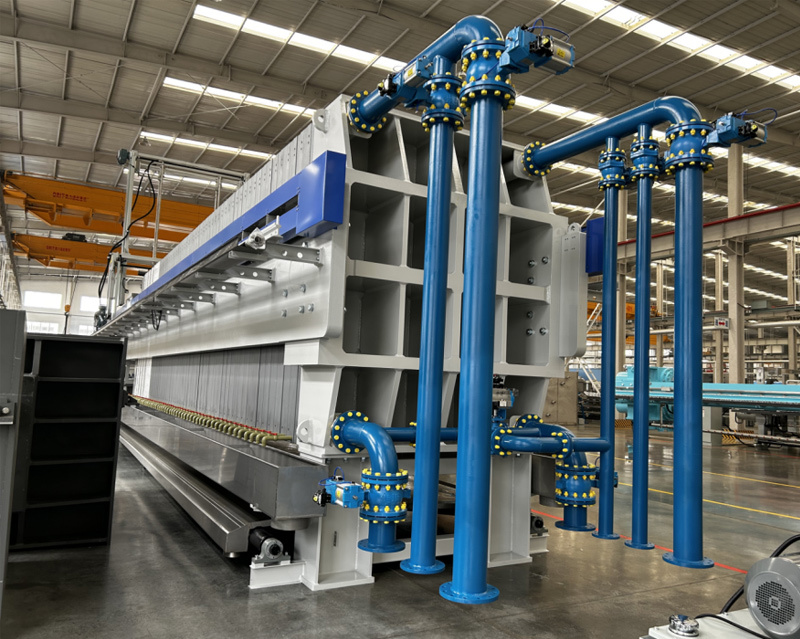
In the realm of wastewater treatment and environmental management, the Sludge Dewatering Filter Press plays a pivotal role in enhancing the efficiency of sludge handling processes. This machine is designed to separate liquid from solid sludge, leading to a more manageable and compact waste byproduct, which is crucial for effective disposal and recycling. The operational principle of the Sludge Dew
In the realm of wastewater treatment and environmental management, the Sludge Dewatering Filter Press plays a pivotal role in enhancing the efficiency of sludge handling processes. This machine is designed to separate liquid from solid sludge, leading to a more manageable and compact waste byproduct, which is crucial for effective disposal and recycling.
The operational principle of the Sludge Dewatering Filter Press revolves around the application of pressure to sludge contained within filter plates. This process entails a series of cycles which include filling the press with sludge, applying pressure, and subsequently discharging the dewatered cake. The result is a significantly reduced volume of sludge, which can vastly decrease transportation and disposal costs.
One of the primary benefits of utilizing a Sludge Dewatering Filter Press is its ability to produce drier sludge cakes compared to other dewatering methods, such as centrifugation or belt presses. The drier the sludge, the less volume there is to manage, making it easier and more cost-effective to handle. This is particularly beneficial in municipal wastewater treatment facilities, where the volume of sludge can be substantial.
Moreover, the Sludge Dewatering Filter Press is highly customizable, allowing it to be tailored to different types of sludge and specific operational requirements. Factors such as the type of feed material, desired dryness levels, and throughput requirements can all influence the design and operation of the equipment. This flexibility makes it suitable for various applications, including municipal wastewater treatment, industrial wastewater management, and even food processing facilities.
In addition to its efficiency and adaptability, the Sludge Dewatering Filter Press is typically low-maintenance and offers high reliability. Its design minimizes the need for frequent repairs and maintenance interventions, thereby reducing downtime and associated operational costs. Furthermore, advancements in technology have led to the development of automated systems that enhance user control and monitoring, assuring optimal performance and ease of operation.
In conclusion, the Sludge Dewatering Filter Press is an essential tool in the field of wastewater management, offering numerous advantages such as improved sludge handling, reduced operational costs, and high adaptability to various sludge types. As industries continue to prioritize sustainability and environmental responsibility, the relevance of this technology is likely to grow, making it a crucial investment for companies looking to enhance their waste management processes. By integrating a Sludge Dewatering Filter Press into existing systems, organizations can significantly improve their operational efficiency and contribute to a cleaner environment.
RELATED NEWS



Copyright ©
