

How to Effectively Reduce Downtime for Your Filter Press Feeding Pump
Time:
Sep 18,2026
How to Effectively Reduce Downtime for Your Filter Press Feeding Pump Table of Contents Understanding Filter Press Feeding Pumps Importance of Minimizing Downtime Common Causes of Downtime Mechanical Failures Operator Error Inadequate Maintenance Preventive Maintenance Strategies R
How to Effectively Reduce Downtime for Your Filter Press Feeding Pump
Table of Contents
- Understanding Filter Press Feeding Pumps
- Importance of Minimizing Downtime
- Common Causes of Downtime
- Preventive Maintenance Strategies
- Troubleshooting Techniques
- Best Operational Practices
- Case Studies
- Conclusion
- FAQs
Understanding Filter Press Feeding Pumps
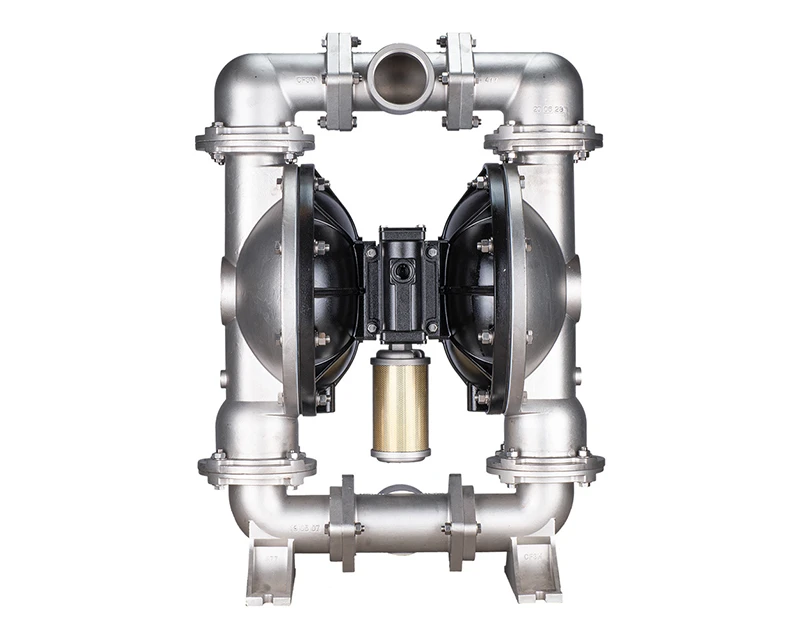
Filter press feeding pumps are vital components in various industrial applications, particularly within the manufacturing and construction sectors. These pumps are designed to transport slurry or sludge to the filter press, where solids are separated from liquids. Understanding their operation, components, and functions is crucial for optimizing their performance and minimizing downtime.
Importance of Minimizing Downtime
Downtime in industrial machinery can lead to substantial financial losses, decreased productivity, and operational inefficiencies. For filter press feeding pumps, extended downtime can disrupt workflow, delay project timelines, and increase operational costs. By reducing downtime, organizations can enhance production efficiency, maintain quality standards, and satisfy customer demands more effectively.
Common Causes of Downtime
Understanding the **common causes of downtime** is essential for developing effective strategies to minimize it.
Mechanical Failures
Mechanical failures can occur due to wear and tear on pump components, such as seals, bearings, and impellers. Over time, these parts can become damaged or degraded, leading to pump inefficiencies or total failure.
Operator Error
Operator error may stem from a lack of training or insufficient understanding of the pump's operational limits. Errors can include incorrect settings, improper handling, or failure to follow established safety protocols.
Inadequate Maintenance
Regular maintenance is crucial for the longevity and efficiency of filter press feeding pumps. Neglecting maintenance tasks can result in avoidable downtime and costly repairs.
Preventive Maintenance Strategies
Implementing preventive maintenance strategies is key to reducing downtime and ensuring optimal performance of filter press feeding pumps.
Regular Inspections
Conducting **regular inspections** of the pump and its components can help identify potential issues before they escalate. This includes checking for leaks, monitoring pressure levels, and examining the condition of hoses and fittings.
Routine Cleaning
Keeping the pump and its surrounding area clean can prevent the buildup of debris and contaminants that may affect performance. Regular cleaning should include the removal of sludge and other materials that can inhibit the pump's operation.
Replacement of Worn Parts
Establishing a schedule for the **replacement of worn parts** can significantly reduce the risk of unexpected failures. Keeping an inventory of critical components ensures quick replacements, minimizing downtime during maintenance.
Troubleshooting Techniques
Proactive troubleshooting is essential for timely intervention when issues arise.
Identifying Issues Early
Training operators to recognize early signs of malfunction can lead to quicker responses. This includes monitoring unusual sounds, vibrations, or fluctuations in performance metrics.
Testing and Diagnostics
Utilizing diagnostic tools and techniques can facilitate the early detection of issues. Performing regular testing can help identify performance discrepancies and guide maintenance efforts effectively.
Best Operational Practices
Incorporating best operational practices can enhance the reliability and longevity of filter press feeding pumps.
Training and Skill Development
Investing in regular training programs for operators on the correct handling, operation, and maintenance of pumps can drastically reduce operator errors and enhance overall efficiency.
Utilizing Technology
Leveraging technology, such as automation and IoT sensors, can provide real-time monitoring of pump performance, allowing for proactive maintenance and reducing the likelihood of unexpected downtime.
Case Studies
Exploring real-world case studies illustrates the effectiveness of these strategies. Companies that have implemented thorough preventive maintenance and operator training have reported significant reductions in downtime and improvements in operational efficiency.
Conclusion
Minimizing downtime for your filter press feeding pump is achievable through a multifaceted approach involving preventive maintenance, effective troubleshooting techniques, and best operational practices. By understanding the common causes of downtime and proactively implementing strategies to mitigate them, businesses can enhance productivity, reduce costs, and maintain their competitive edge in the manufacturing and construction industries.
FAQs
1. What is the average lifespan of a filter press feeding pump?
The average lifespan can vary significantly depending on usage and maintenance but typically ranges from 5 to 15 years with proper care.
2. How often should I perform maintenance on my filter press feeding pump?
Regular maintenance should be performed every 6 to 12 months, with more frequent checks if the pump is used heavily or in demanding conditions.
3. What are the signs that my pump needs immediate attention?
Signs include unusual noises, vibrations, leaks, and a noticeable drop in performance metrics such as pressure or flow rate.
4. Can training improve the efficiency of my filter press feeding pump?
Yes, training operators on proper handling and maintenance can significantly reduce errors and downtime, leading to enhanced efficiency.
5. What are the best practices for cleaning my filter press feeding pump?
Routine cleaning involves removing any buildup of sludge, checking hoses for blockages, and ensuring that the surrounding area is free of debris that could affect performance.
By adhering to these strategies and best practices, organizations can significantly reduce downtime for their filter press feeding pumps, ensuring a smoother, more efficient operation overall.
RELATED NEWS



Copyright ©
