

The Importance of Automation in Filtration: Insights on Automatic Filter Press
Time:
Nov 14,2025
The Importance of Automation in Filtration: Insights on Automatic Filter Press Introduction to Filtration Automation In the modern industrial landscape, the quest for efficiency, accuracy, and sustainability has made **automation** a crucial element in various sectors. One area where automation has made a significant impact is in **filtration**, particularly through the use of **automatic filter p
The Importance of Automation in Filtration: Insights on Automatic Filter Press
Introduction to Filtration Automation
In the modern industrial landscape, the quest for efficiency, accuracy, and sustainability has made **automation** a crucial element in various sectors. One area where automation has made a significant impact is in **filtration**, particularly through the use of **automatic filter presses**. These machines have revolutionized how industries manage liquid-solid separation processes, offering numerous advantages over traditional manual methods.
Understanding Automatic Filter Presses
Automatic filter presses are sophisticated devices designed to separate solids from liquids efficiently. They operate by using pressure to force a liquid through a filter medium, leaving solid particles behind. The automation aspect means that these machines can operate with minimal human intervention, optimizing operational efficiency and maintaining consistent output quality.
The Mechanism Behind Automatic Filter Presses
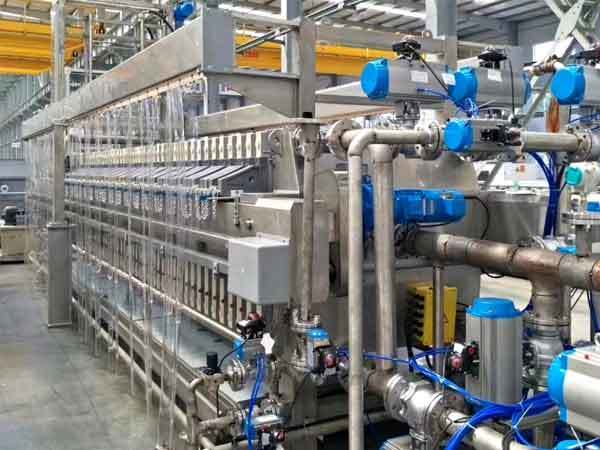
Automatic filter presses consist of a series of filter plates that are stacked together. The slurry is pumped into the press, where it is subjected to pressure. As the slurry passes through the filter cloth, solids are captured on the cloth's surface, forming a cake. Once the filtration process is complete, the press automatically opens to discharge the solid cake, allowing for continuous operation. This mechanism not only saves time but also enhances the overall filtration efficiency.
Key Features of Automatic Filter Presses
1. **High Filtration Efficiency**: Automatic filter presses achieve higher levels of filtration compared to traditional methods, ensuring cleaner filtrate.
2. **Reduced Labor Costs**: With automation, less manual labor is required, lowering operational costs significantly.
3. **Consistent Quality**: Automated systems can maintain consistent pressure and flow rates, resulting in uniform output quality.
4. **Space-Saving Design**: Most automatic filter presses are designed to occupy minimal floor space while maximizing output.
The Benefits of Automation in Filtration
Enhanced Productivity
The automation of filtration processes leads to increased productivity. Automatic filter presses can run continuously, reducing downtime between batch processes. This efficiency allows businesses to achieve higher production rates without compromising quality.
Improved Quality Control
Automation provides precise control over filtration parameters, enabling industries to maintain strict quality standards. Consistent monitoring and adjustments ensure that the filtrate meets required specifications, which is particularly vital in industries such as pharmaceuticals and food processing.
Cost Savings
While the initial investment in automatic filter presses may be substantial, the long-term savings are significant. Reduced labor costs, lower energy consumption, and minimized waste contribute to overall operational savings. Moreover, the reliability of automated systems reduces the chances of costly errors associated with manual operations.
Environmentally Friendly Practices
Automated filtration systems contribute to more sustainable practices by minimizing waste and improving resource efficiency. The enhanced separation of solids allows for better disposal or recycling of by-products, reducing the environmental footprint of industrial operations.
Applications of Automatic Filter Presses
Automatic filter presses are utilized across various industries, showcasing their versatility and effectiveness.
1. Municipal Water Treatment
In municipal water treatment facilities, automatic filter presses efficiently remove contaminants from water supplies, ensuring clean drinking water for communities. The automation of this process allows for real-time monitoring and adjustments based on fluctuating water quality.
2. Mining and Mineral Processing
In the mining industry, automatic filter presses play a crucial role in dewatering tailings and concentrating ores. The reduction of moisture content in solid waste not only facilitates easier handling but also minimizes environmental impact.
3. Food and Beverage Production
The food and beverage industry relies on automatic filter presses for processes like juice extraction, beer clarification, and wastewater treatment. Automation ensures that these processes run efficiently while maintaining hygiene and quality standards.
4. Chemical Manufacturing
In chemical manufacturing, the need for precise filtration is paramount. Automatic filter presses provide effective solid-liquid separation, essential for producing high-quality chemicals.
Future Trends in Filtration Automation
The filtration industry continues to evolve with technological advancements. Here are some future trends to watch:
1. Integration with IoT (Internet of Things)
The integration of IoT technology with automatic filter presses allows for real-time monitoring and control. This smart technology enables predictive maintenance, further enhancing the reliability of filtration processes.
2. Energy Efficiency Innovations
As industries aim to reduce their energy consumption, innovations focused on energy-efficient filter presses will become increasingly popular. Technologies that utilize alternative energy sources or improve energy recovery within the filtration process are on the rise.
3. Customization and Flexibility
Future filter press designs will likely focus on customizable features that cater to specific industry needs. This flexibility can enhance the adaptability of filtration processes across diverse applications.
Choosing the Right Automatic Filter Press
When selecting an automatic filter press for your operations, consider the following factors:
1. Filtration Requirements
Identify the specific filtration needs of your industry. Different applications may require varying filtration sizes and throughput capacities.
2. Maintenance and Support
Choose a manufacturer that offers comprehensive support and maintenance services. A reliable support system can significantly reduce downtime and operational disruptions.
3. Technological Features
Evaluate the technological features of the filter press, such as automation capabilities, control systems, and integration with existing processes. Advanced technologies can provide significant operational advantages.
4. Cost vs. Benefit Analysis
Conduct a thorough cost-benefit analysis to determine the long-term value of investing in an automatic filter press. Consider both initial investment costs and potential savings over time.
FAQs about Automatic Filter Presses
1. What is an automatic filter press?
An automatic filter press is a machine designed to separate solids from liquids using pressure and filtration technology, operating with minimal human intervention.
2. How does an automatic filter press work?
The machine operates by pumping slurry into a series of stacked filter plates, where pressure forces the liquid through a filter medium, trapping solid particles and forming a cake.
3. What are the advantages of using an automatic filter press?
Advantages include enhanced productivity, improved quality control, cost savings, and environmentally friendly practices.
4. In which industries are automatic filter presses used?
They are used in various industries, including water treatment, mining, food and beverage production, and chemical manufacturing.
5. How can I choose the right automatic filter press for my needs?
Consider your filtration requirements, the maintenance and support offered by manufacturers, technological features, and conduct a cost versus benefit analysis.
Conclusion
The shift towards automation in filtration, particularly through the use of automatic filter presses, represents a significant advancement in industrial processes. These systems not only enhance efficiency and productivity but also contribute to improved quality control and cost savings. As industries continue to evolve, embracing automation will be essential for staying competitive and meeting the growing demands for sustainable and high-quality production. Investing in automatic filter presses is not just a trend; it is a strategic move towards a more efficient and sustainable future.
RELATED NEWS



Copyright ©
