

Maximizing Efficiency in Industrial Effluent Treatment with Filter Press Technology
Time:
Sep 11,2026
In the manufacturing and construction machinery sector, managing industrial effluent is a critical aspect of ensuring compliance with environmental regulations and promoting sustainability. One of the most effective solutions for treating industrial effluent is the Industrial Effluent Treatment Filter Press. This technology is designed to separate solids from liquids in wastewater, resulting in a
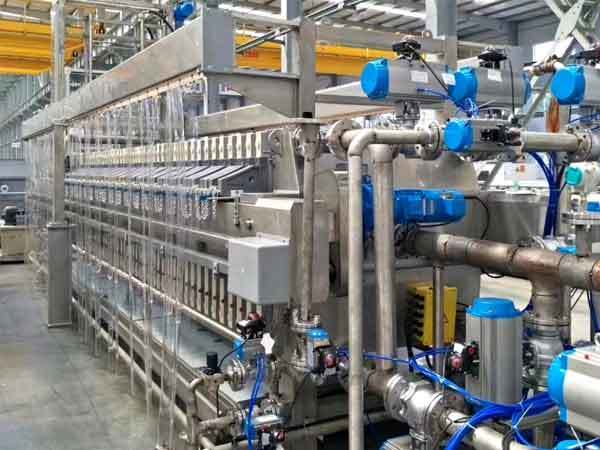
In the manufacturing and construction machinery sector, managing industrial effluent is a critical aspect of ensuring compliance with environmental regulations and promoting sustainability. One of the most effective solutions for treating industrial effluent is the Industrial Effluent Treatment Filter Press. This technology is designed to separate solids from liquids in wastewater, resulting in a cleaner effluent that can be discharged or reused.
The filter press operates by using a series of plates and frames to create chambers for the effluent. When the liquid is pumped into the press, it is forced through filter cloths that capture solid particles, allowing the clarified liquid to escape. This process not only reduces the volume of waste but also minimizes the environmental impact of industrial operations. By effectively removing contaminants, the filter press plays a crucial role in meeting regulatory standards and protecting water resources.
One of the primary advantages of using an Industrial Effluent Treatment Filter Press is its ability to achieve high solid-liquid separation efficiency. The technology can handle a variety of sludge types and concentrations, making it versatile for different industrial applications. Furthermore, the filter cake produced can be further processed or disposed of safely, reducing the overall waste footprint.
In addition to operational advantages, the use of filter presses in effluent treatment can lead to significant cost savings. By recycling treated water for industrial processes, companies can reduce their reliance on freshwater sources, thereby lowering operational expenses and promoting sustainability. Moreover, the reduction of waste disposal costs is another financial benefit that can be realized through efficient effluent treatment.
Moreover, advancements in filter press technology have led to the development of automatic systems that streamline the operation, further enhancing efficiency. These automated systems require less manpower, reduce the risk of human error, and improve the overall reliability of the effluent treatment process. Additionally, maintenance and cleaning procedures have been simplified, ensuring that the filter press continues to perform at optimal levels.
In conclusion, the Industrial Effluent Treatment Filter Press is an essential tool for manufacturers aiming to improve their environmental footprint while maintaining operational efficiency. By effectively separating solids from wastewater, this technology not only helps in adhering to environmental regulations but also promotes resource conservation through water recycling. As industries continue to prioritize sustainability, investing in innovative effluent treatment solutions will be key to achieving long-term environmental and economic benefits.
The filter press operates by using a series of plates and frames to create chambers for the effluent. When the liquid is pumped into the press, it is forced through filter cloths that capture solid particles, allowing the clarified liquid to escape. This process not only reduces the volume of waste but also minimizes the environmental impact of industrial operations. By effectively removing contaminants, the filter press plays a crucial role in meeting regulatory standards and protecting water resources.
One of the primary advantages of using an Industrial Effluent Treatment Filter Press is its ability to achieve high solid-liquid separation efficiency. The technology can handle a variety of sludge types and concentrations, making it versatile for different industrial applications. Furthermore, the filter cake produced can be further processed or disposed of safely, reducing the overall waste footprint.
In addition to operational advantages, the use of filter presses in effluent treatment can lead to significant cost savings. By recycling treated water for industrial processes, companies can reduce their reliance on freshwater sources, thereby lowering operational expenses and promoting sustainability. Moreover, the reduction of waste disposal costs is another financial benefit that can be realized through efficient effluent treatment.
Moreover, advancements in filter press technology have led to the development of automatic systems that streamline the operation, further enhancing efficiency. These automated systems require less manpower, reduce the risk of human error, and improve the overall reliability of the effluent treatment process. Additionally, maintenance and cleaning procedures have been simplified, ensuring that the filter press continues to perform at optimal levels.
In conclusion, the Industrial Effluent Treatment Filter Press is an essential tool for manufacturers aiming to improve their environmental footprint while maintaining operational efficiency. By effectively separating solids from wastewater, this technology not only helps in adhering to environmental regulations but also promotes resource conservation through water recycling. As industries continue to prioritize sustainability, investing in innovative effluent treatment solutions will be key to achieving long-term environmental and economic benefits.
RELATED NEWS



Copyright ©
