

How to choose a feed pump suitable for filter press
Time:
Jul 12,2024
Flow rate: The flow rate of the feed pump should match the required flow rate for the filter press. It is important to choose a pump that can deliver the necessary volume of slurry or liquid to effectively operate the filter press.
When selecting a feed pump for a filter press, there are a few important factors to consider in order to ensure optimal performance and efficiency. Here are some guidelines to help you choose a feed pump that is suitable for your filter press:
1. Flow rate: The flow rate of the feed pump should match the required flow rate for the filter press. It is important to choose a pump that can deliver the necessary volume of slurry or liquid to effectively operate the filter press. Consider the size of the filter press and the volume of material that needs to be processed when determining the appropriate flow rate for the pump.
2. Pressure rating: The feed pump should be capable of generating the required pressure to push the slurry or liquid through the filter press. Check the pressure rating of the pump and ensure that it is sufficient to meet the pressure requirements of the filter press. It is important to consider factors such as the resistance of the filter media and the height of the slurry column when determining the pressure rating for the pump.
3. Material compatibility: The material of the pump should be compatible with the slurry or liquid being processed in the filter press. Consider factors such as the pH level, temperature, and abrasive properties of the material when selecting a pump material. Stainless steel, rubber, and polypropylene are common materials used for feed pumps in filter press applications.
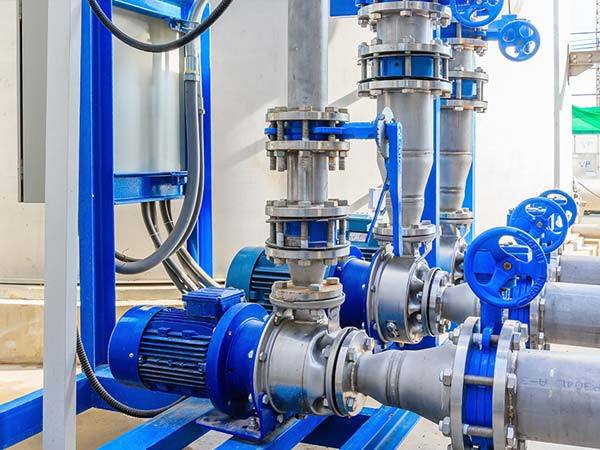
4. Pump type: There are different types of pumps that can be used as feed pumps for filter presses, including centrifugal pumps, diaphragm pumps, and peristaltic pumps. Each type of pump has its own advantages and disadvantages, so it is important to choose a pump type that is best suited for the specific requirements of your filter press application. Consider factors such as ease of maintenance, efficiency, and cost when selecting a pump type.
5. Efficiency: Choose a feed pump that is energy-efficient and cost-effective to operate. Look for pumps that have high efficiency ratings and low energy consumption to help reduce operating costs and improve overall performance. Consider factors such as motor size, power requirements, and energy efficiency when selecting a feed pump.
6. Reliability: Select a feed pump from a reputable manufacturer that has a proven track record of reliability and durability. Look for pumps that are built with high-quality materials and components to ensure long-lasting performance and minimal downtime. Consider factors such as warranty coverage, service and support, and maintenance requirements when choosing a feed pump for your filter press.
By considering these factors and guidelines, you can choose a feed pump that is suitable for your filter press application and ensure efficient and effective operation of your filtration system. Take the time to research and evaluate different pump options to find the best fit for your specific requirements and budget.
RELATED NEWS



Copyright ©
