

The Economic Impact of Filter Press Feeding Pumps in Industry: A Comprehensive Analysis
Time:
Feb 21,2025
The Economic Impact of Filter Press Feeding Pumps in Industry Table of Contents 1. Introduction to Filter Press Feeding Pumps 2. Understanding the Functionality of Filter Press Feeding Pumps 3. Economic Benefits of Filter Press Feeding Pumps 4. Industries Utilizing Filter Press Feeding Pumps 5. Sustainability and Environmental Impact 6. Maintenance and Operational Costs
The Economic Impact of Filter Press Feeding Pumps in Industry
Table of Contents
- 1. Introduction to Filter Press Feeding Pumps
- 2. Understanding the Functionality of Filter Press Feeding Pumps
- 3. Economic Benefits of Filter Press Feeding Pumps
- 4. Industries Utilizing Filter Press Feeding Pumps
- 5. Sustainability and Environmental Impact
- 6. Maintenance and Operational Costs
- 7. Case Studies of Successful Implementation
- 8. Future Trends in Filter Press Technology
- 9. Frequently Asked Questions
- 10. Conclusion
1. Introduction to Filter Press Feeding Pumps
Filter press feeding pumps are essential devices in various industrial processes, serving as the backbone for efficient material handling within filtration systems. These pumps enable the transfer of slurries containing solids suspended in liquids, ensuring that the filtration process runs smoothly and effectively. As industries focus on maximizing productivity while minimizing costs, understanding the economic implications of these pumps becomes increasingly crucial.
2. Understanding the Functionality of Filter Press Feeding Pumps
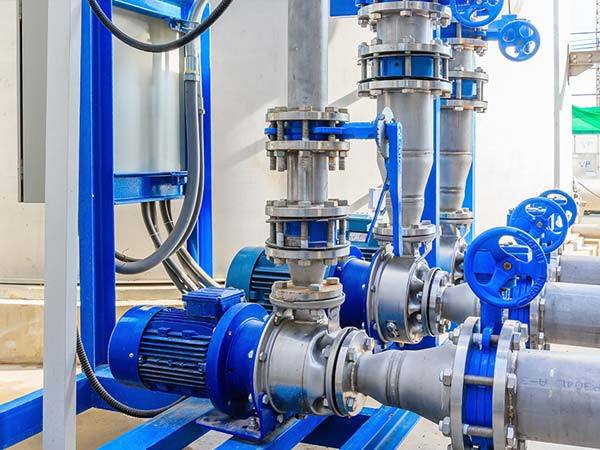
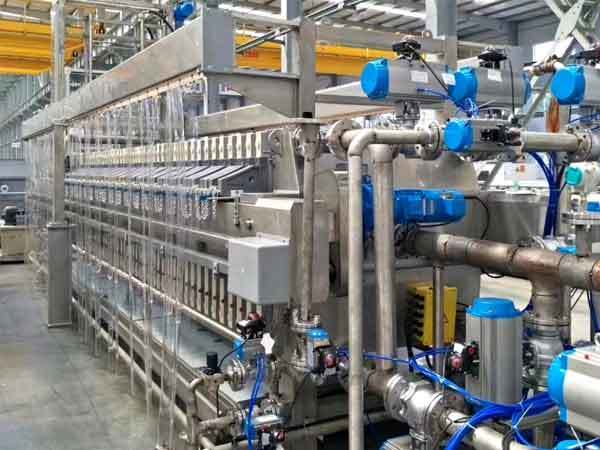
Filter press feeding pumps operate by delivering slurries to filter presses, where the filtering process occurs. The pumps work under high pressure to push the slurry into the filter press chambers, allowing the liquid to pass through the filter media while retaining solids. This process is vital in industries such as mining, wastewater treatment, and food processing.
The efficiency of these pumps can significantly impact the overall productivity of the filtration system, affecting operational costs, labor requirements, and energy consumption. By optimizing the functionality of filter press feeding pumps, industries can achieve better throughput and improved product quality.
3. Economic Benefits of Filter Press Feeding Pumps
The economic benefits of filter press feeding pumps are multifaceted. Here are several key advantages:
3.1 Increased Efficiency and Productivity
By ensuring a consistent flow of slurry, filter press feeding pumps enhance the efficiency of the filtration process. This increased productivity means that companies can process more material in less time, directly translating to higher revenue.
3.2 Cost Savings
Optimizing the filtration process through effective pumping reduces waste and energy consumption. This leads to significant cost savings, particularly in high-volume operations. Lower operational costs enhance profit margins, allowing businesses to reinvest in growth.
3.3 Enhanced Product Quality
The precision of filter press feeding pumps ensures that the correct amount of slurry is delivered, which can improve the quality of the final product. High-quality products reduce the incidence of returns and improve customer satisfaction, further boosting economic performance.
3.4 Reduced Labor Costs
Automating the filtration process with reliable feeding pumps minimizes the need for manual intervention. This reduction in labor costs not only saves money but also reduces the risk of human error, leading to a smoother operational flow.
4. Industries Utilizing Filter Press Feeding Pumps
Various industries benefit from the use of filter press feeding pumps, including:
4.1 Mining and Minerals Processing
In mining, filter press feeding pumps play a crucial role in the extraction of valuable minerals from ores. Efficient filtration systems enhance recovery rates and reduce waste.
4.2 Wastewater Treatment
Municipal and industrial wastewater treatment facilities rely on filter press feeding pumps to manage sludge effectively. These pumps help reduce the volume of waste, facilitating easier disposal and recycling.
4.3 Food and Beverage Industry
In the food processing sector, maintaining high standards of hygiene and product quality is essential. Filter press feeding pumps ensure efficient separation of solids and liquids, critical for achieving compliance with food safety regulations.
4.4 Chemical Processing
The chemical industry utilizes filter press feeding pumps for various processes, including the purification of chemicals and the removal of impurities. Their reliability and effectiveness contribute to operational success.
4.5 Pharmaceutical Industry
In pharmaceuticals, precision is vital. Filter press feeding pumps ensure consistent slurry delivery, which is crucial for maintaining product integrity and quality.
5. Sustainability and Environmental Impact
The use of filter press feeding pumps can significantly contribute to sustainability initiatives in various industries. Their ability to reduce waste and improve resource recovery aligns with environmental regulations and corporate responsibility goals.
5.1 Waste Reduction
By effectively separating solids from liquids, filter press feeding pumps minimize waste generation. This is particularly important in industries where waste disposal can be costly and environmentally taxing.
5.2 Water Conservation
Efficient filtration processes can lead to water recycling and reuse, promoting responsible water management. This is crucial in water-scarce regions and industries facing increasing regulatory scrutiny regarding water usage.
5.3 Energy Efficiency
Modern filter press feeding pumps are designed for energy efficiency, reducing the carbon footprint of industrial operations. This not only lowers operational costs but also enhances a company's reputation as an environmentally responsible entity.
6. Maintenance and Operational Costs
While filter press feeding pumps offer numerous economic benefits, maintenance and operational costs are critical considerations.
6.1 Maintenance Requirements
Regular maintenance of filter press feeding pumps is essential to ensure optimal performance. Companies must budget for routine checks, repairs, and potential replacements to prevent costly downtime.
6.2 Operational Costs
The total cost of ownership includes not only the initial purchase price of the pump but also operational costs over its lifespan. Choosing energy-efficient models and optimizing usage can mitigate these costs.
7. Case Studies of Successful Implementation
Examining real-world examples can illustrate the economic impact of filter press feeding pumps.
7.1 Case Study 1: Mining Industry
A leading mining company implemented advanced filter press feeding pumps, resulting in a 30% increase in mineral recovery rates. This enhancement significantly boosted their annual revenue while reducing waste management costs.
7.2 Case Study 2: Wastewater Treatment Facility
A municipal wastewater treatment facility upgraded to high-efficiency filter press feeding pumps, reducing energy consumption by 25%. This transition led to substantial cost savings and improved compliance with environmental regulations.
7.3 Case Study 3: Food Processing
A food processing plant leveraged filter press feeding pumps to enhance its filtration process, resulting in higher product quality and a 15% reduction in waste. This improvement not only increased customer satisfaction but also enhanced the company's market position.
8. Future Trends in Filter Press Technology
As industries evolve, so too does the technology behind filter press feeding pumps. Key trends to watch for include:
8.1 Automation and Smart Technology
The integration of automation and smart technology will enhance the efficiency of filter press feeding pumps. Predictive maintenance and real-time monitoring can optimize performance and reduce downtime.
8.2 Eco-Friendly Materials
Manufacturers are increasingly focusing on eco-friendly materials for pump construction. This shift aligns with sustainability initiatives and helps reduce the environmental impact of industrial operations.
8.3 Enhanced Energy Efficiency
Ongoing advancements in pump design will lead to even greater energy efficiency, further decreasing operational costs and carbon footprints for industries that rely on these crucial machines.
9. Frequently Asked Questions
9.1 What is a filter press feeding pump?
A filter press feeding pump is a device that transports slurries to filter presses, ensuring efficient filtration of solids from liquids.
9.2 How do filter press feeding pumps impact operational costs?
These pumps can reduce operational costs by increasing efficiency, decreasing waste, and minimizing labor requirements.
9.3 Which industries benefit most from filter press feeding pumps?
Industries such as mining, wastewater treatment, food processing, chemical processing, and pharmaceuticals benefit significantly from these pumps.
9.4 What maintenance is required for filter press feeding pumps?
Regular maintenance includes routine checks, repairs, and part replacements to ensure optimal performance and prevent downtime.
9.5 How can filter press feeding pumps contribute to sustainability?
These pumps reduce waste generation, promote water recycling, and enhance energy efficiency, aligning with sustainability goals in various industries.
10. Conclusion
The economic impact of filter press feeding pumps is profound and multifaceted. By optimizing efficiency, reducing costs, and promoting sustainability, these essential devices play a significant role in enhancing operational performance across various industries. As technology continues to evolve, the benefits of filter press feeding pumps will only increase, paving the way for a more efficient and environmentally responsible industrial landscape. Investing in high-quality, reliable filter press feeding pumps is not just an operational decision; it is a strategic move towards long-term economic success and sustainability.
RELATED NEWS



Copyright ©
