

Understanding Municipal Sludge Dewatering Filter Press: A Key Component in Wastewater Treatment
Time:
Mar 02,2025
Municipal sludge, a byproduct of the wastewater treatment process, consists of organic and inorganic materials that can pose significant environmental challenges if not managed properly. One of the most effective technologies for handling this sludge is the Municipal Sludge Dewatering Filter Press. This equipment is designed to separate water from solid waste, allowing for more manageable sludge d
Municipal sludge, a byproduct of the wastewater treatment process, consists of organic and inorganic materials that can pose significant environmental challenges if not managed properly. One of the most effective technologies for handling this sludge is the Municipal Sludge Dewatering Filter Press. This equipment is designed to separate water from solid waste, allowing for more manageable sludge disposal and recycling options.
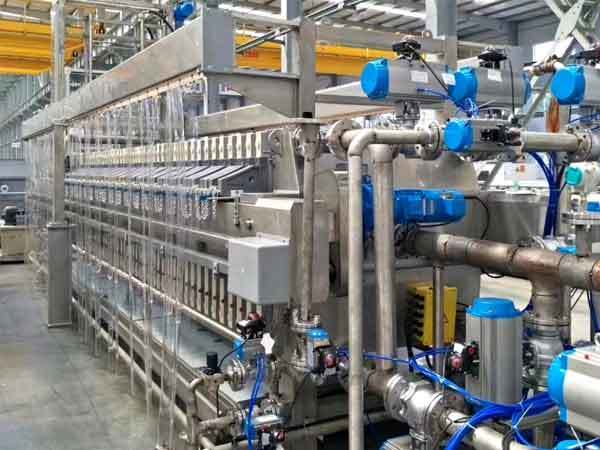
The Municipal Sludge Dewatering Filter Press operates through a series of filtration cycles. Sludge is pumped into the press, where it is enclosed between filter plates. These plates utilize a combination of mechanical pressure and gravity to extract water from the sludge, forming a solid cake that is much easier to handle and transport. The water that is separated can often be treated further and reused in various applications, contributing to water conservation efforts.
One of the primary advantages of using a Municipal Sludge Dewatering Filter Press is its ability to significantly reduce the volume of sludge. By extracting a large portion of the water content, municipalities can lower disposal costs and minimize the environmental impact associated with transporting and landfilling raw sludge. This not only supports cleaner environments but also aligns with sustainable practices by promoting resource recovery.
Additionally, the operation of a Municipal Sludge Dewatering Filter Press is typically automated, which enhances operational efficiency while reducing labor costs. The modern designs have evolved to include advanced controls and monitoring systems, ensuring optimal performance and reliability. This is particularly important in municipal settings where treatment demands can vary greatly based on population size and seasonal changes.
Another noteworthy aspect of the Municipal Sludge Dewatering Filter Press is its versatility. While primarily used for municipal wastewater treatment, this technology is also applicable in various industries, such as food processing, paper manufacturing, and mining, where similar dewatering challenges exist.
In conclusion, the Municipal Sludge Dewatering Filter Press is an essential component in the wastewater treatment process, offering a range of benefits from volume reduction to enhanced resource recovery. Its role in promoting sustainable practices cannot be overstated, making it a vital piece of equipment for municipalities striving to manage waste efficiently while protecting the environment. Understanding the functionality and importance of this technology is crucial for professionals in the manufacturing and municipal sectors alike.
The Municipal Sludge Dewatering Filter Press operates through a series of filtration cycles. Sludge is pumped into the press, where it is enclosed between filter plates. These plates utilize a combination of mechanical pressure and gravity to extract water from the sludge, forming a solid cake that is much easier to handle and transport. The water that is separated can often be treated further and reused in various applications, contributing to water conservation efforts.
One of the primary advantages of using a Municipal Sludge Dewatering Filter Press is its ability to significantly reduce the volume of sludge. By extracting a large portion of the water content, municipalities can lower disposal costs and minimize the environmental impact associated with transporting and landfilling raw sludge. This not only supports cleaner environments but also aligns with sustainable practices by promoting resource recovery.
Additionally, the operation of a Municipal Sludge Dewatering Filter Press is typically automated, which enhances operational efficiency while reducing labor costs. The modern designs have evolved to include advanced controls and monitoring systems, ensuring optimal performance and reliability. This is particularly important in municipal settings where treatment demands can vary greatly based on population size and seasonal changes.
Another noteworthy aspect of the Municipal Sludge Dewatering Filter Press is its versatility. While primarily used for municipal wastewater treatment, this technology is also applicable in various industries, such as food processing, paper manufacturing, and mining, where similar dewatering challenges exist.
In conclusion, the Municipal Sludge Dewatering Filter Press is an essential component in the wastewater treatment process, offering a range of benefits from volume reduction to enhanced resource recovery. Its role in promoting sustainable practices cannot be overstated, making it a vital piece of equipment for municipalities striving to manage waste efficiently while protecting the environment. Understanding the functionality and importance of this technology is crucial for professionals in the manufacturing and municipal sectors alike.
RELATED NEWS



Copyright ©
