

Transforming Waste: The Essential Role of Sand Washing Slurry Dewatering Filter Press in Sustainable Manufacturing
Time:
Mar 05,2025
Transforming Waste: The Essential Role of Sand Washing Slurry Dewatering Filter Press in Sustainable Manufacturing Table of Contents 1. Introduction: The Growing Need for Waste Management Solutions 2. Understanding Sand Washing Slurry Dewatering Filter Press 3. How Sand Washing Slurry Dewatering Filter Press Works 4. Benefits of Using Sand Washing Slurry Dewatering Filter Press
Transforming Waste: The Essential Role of Sand Washing Slurry Dewatering Filter Press in Sustainable Manufacturing
Table of Contents
- 1. Introduction: The Growing Need for Waste Management Solutions
- 2. Understanding Sand Washing Slurry Dewatering Filter Press
- 3. How Sand Washing Slurry Dewatering Filter Press Works
- 4. Benefits of Using Sand Washing Slurry Dewatering Filter Press
- 5. Applications in Construction and Environmental Hygiene
- 6. Sustainability and Environmental Impact
- 7. Choosing the Right Sand Washing Slurry Dewatering Filter Press
- 8. Future Trends in Waste Management
- 9. FAQs
- 10. Conclusion
1. Introduction: The Growing Need for Waste Management Solutions
In today's rapidly evolving industrial landscape, **effective waste management** has become a crucial priority. As global manufacturing processes expand, so does the **generation of waste**, particularly in sectors such as construction and environmental hygiene. With increasing regulatory demands and a heightened emphasis on sustainability, businesses are compelled to adopt innovative waste management solutions. One such solution is the **sand washing slurry dewatering filter press**, a pivotal machine designed to transform waste into reusable materials, promoting a circular economy.
2. Understanding Sand Washing Slurry Dewatering Filter Press
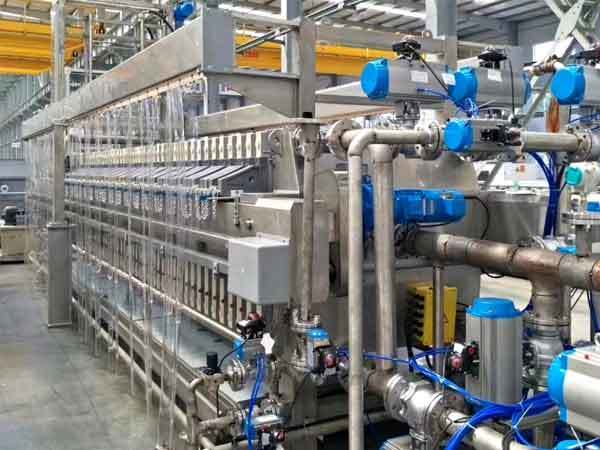
A **sand washing slurry dewatering filter press** is an advanced piece of machinery utilized primarily in the manufacturing and construction industries. This device is engineered to separate solid particles from liquid slurry, enabling the efficient recovery of valuable materials. The filter press performs this function by applying pressure to the slurry, allowing the liquid to drain and leaving behind dry solids that can be reused or disposed of responsibly.
The key components of a sand washing slurry dewatering filter press include:
- **Filter Plates:** These plates create chambers for the slurry to flow through, facilitating the separation process.
- **Hydraulic System:** This system applies the necessary pressure to the filter plates, ensuring efficient operation.
- **Conveying System:** This component transports the separated solids for further processing or disposal.
3. How Sand Washing Slurry Dewatering Filter Press Works
The operation of a sand washing slurry dewatering filter press can be broken down into several essential steps:
Step 1: Slurry Preparation
Before entering the filter press, the sand washing slurry must be prepared. This can involve mixing water with sand or other materials to create a slurry with the appropriate consistency.
Step 2: Slurry Feeding
Once prepared, the slurry is fed into the filter press. The hydraulic system helps to create an optimal flow rate, ensuring that the entire volume of slurry can be processed efficiently.
Step 3: Filtration
As the slurry enters the filter press, it fills the chambers formed by the filter plates. The pressure applied by the hydraulic system forces the liquid (filtrate) to pass through the filter media, while the solids (cake) remain trapped between the plates.
Step 4: Cake Discharge
Once filtration is complete, the pressure is released, and the filter plates are opened. The dry cake of separated solids is then discharged from the press, ready for reuse or disposal.
Step 5: Filtrate Management
The liquid that is separated during the filtration process, known as filtrate, can be collected and treated for reuse in the production process or safely disposed of, reducing environmental impact.
4. Benefits of Using Sand Washing Slurry Dewatering Filter Press
The use of sand washing slurry dewatering filter presses offers numerous advantages for businesses looking to improve their waste management processes:
Enhanced Resource Recovery
By separating solids from slurry, businesses can recover valuable materials that can be reused in production, minimizing waste.
Cost Savings
Efficient separation reduces disposal costs and allows for the repurposing of materials, leading to significant cost savings over time.
Improved Environmental Compliance
Companies utilizing filter presses can better comply with environmental regulations by managing waste more responsibly.
Operational Efficiency
Filter presses can process large volumes of slurry quickly, increasing operational efficiency and reducing downtime.
Reduced Water Consumption
By recycling filtrate for reuse, businesses can minimize their water consumption, further promoting sustainability.
5. Applications in Construction and Environmental Hygiene
Sand washing slurry dewatering filter presses find application in various industries, particularly in construction and environmental hygiene:
Construction Industry
In the construction sector, these machines are used to process the slurry generated during sand washing. By removing excess water and recovering valuable sand, businesses can enhance material efficiency.
Environmental Hygiene
Municipalities and environmental agencies employ filter presses to manage waste from street cleaning, sewage treatment, and stormwater management. This contributes to cleaner environments and more effective waste disposal strategies.
Mining and Mineral Processing
In mining operations, filter presses are utilized to separate valuable minerals from slurry, improving resource recovery rates.
6. Sustainability and Environmental Impact
The role of sand washing slurry dewatering filter presses extends beyond operational efficiency; they play a vital part in promoting sustainability. By facilitating the recovery of materials that would otherwise be wasted, these machines contribute to a **circular economy**. Moreover, they help reduce the environmental impact of manufacturing processes by minimizing landfill usage and conserving water resources.
Incorporating filter presses into waste management strategies aligns with global sustainability goals by reducing carbon footprints and encouraging responsible consumption.
7. Choosing the Right Sand Washing Slurry Dewatering Filter Press
Selecting the appropriate sand washing slurry dewatering filter press for your specific needs involves several considerations:
Capacity Requirements
Assess the volume of slurry generated and choose a filter press that can handle your operational capacity efficiently.
Material Compatibility
Ensure that the filter press is compatible with the specific types of materials you will be processing to achieve optimal results.
Maintenance and Support
Look for manufacturers that offer reliable maintenance support and comprehensive service programs to minimize downtime.
Energy Efficiency
Consider the energy consumption of the filter press and opt for models that incorporate energy-efficient technologies to lower operational costs.
8. Future Trends in Waste Management
As industries continue to evolve, the demand for innovative waste management solutions is expected to rise. Some notable trends include:
Integration of Automation
The incorporation of automation and smart technologies into filter presses will enhance operational efficiency and reduce labor costs.
Emphasis on Circular Economy
Businesses will increasingly focus on adopting practices that support a circular economy, making waste management systems like filter presses indispensable.
Improved Filtration Technologies
Advancements in filtration technologies will lead to more efficient separation processes, further enhancing recovery rates.
Regulatory Developments
As regulations surrounding waste management tighten, companies will need to invest in efficient machinery to comply with legal requirements.
9. FAQs
What is a sand washing slurry dewatering filter press?
A sand washing slurry dewatering filter press is a machine that separates solid particles from liquid slurry, allowing for the recovery of valuable materials and the reduction of waste.
How does a filter press work?
A filter press operates by feeding slurry into chambers formed by filter plates. Hydraulic pressure forces the liquid to pass through the filter media, leaving behind dry solids.
What industries use sand washing slurry dewatering filter presses?
These machines are primarily used in the construction, environmental hygiene, mining, and mineral processing industries.
What are the benefits of using a filter press for waste management?
Benefits include enhanced resource recovery, cost savings, improved environmental compliance, operational efficiency, and reduced water consumption.
How do I choose the right filter press for my needs?
Consider factors such as capacity requirements, material compatibility, maintenance and support options, and energy efficiency when selecting a filter press.
10. Conclusion
In conclusion, the **sand washing slurry dewatering filter press** is a game-changer in waste management, enabling industries to transform waste into valuable resources while promoting sustainability. By investing in this technology, businesses can enhance operational efficiency, comply with environmental regulations, and contribute to a more sustainable future. As the demand for effective waste management solutions continues to grow, the role of filter presses will undoubtedly become increasingly vital in various sectors, paving the way for a cleaner and more sustainable industrial landscape.
RELATED NEWS



Copyright ©
