

Exploring the Benefits and Applications of Stainless Steel Filter Press in Environmental Engineering
Time:
Mar 14,2025
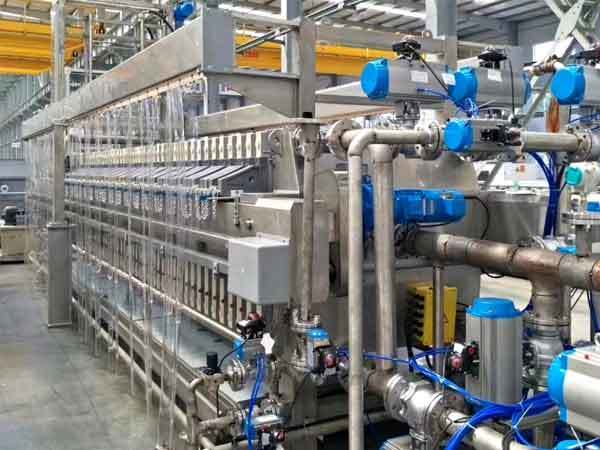
In recent years, the demand for efficient and sustainable filtration solutions has surged, particularly in the manufacturing and environmental sanitation sectors. One of the most effective tools in this regard is the stainless steel filter press. This equipment is designed to separate solids from liquids, making it essential for numerous applications such as wastewater treatment, slurry dewatering
In recent years, the demand for efficient and sustainable filtration solutions has surged, particularly in the manufacturing and environmental sanitation sectors. One of the most effective tools in this regard is the stainless steel filter press. This equipment is designed to separate solids from liquids, making it essential for numerous applications such as wastewater treatment, slurry dewatering, and various industrial processes.
A stainless steel filter press operates on a straightforward principle: it uses pressure to force liquid through a porous medium, leaving solid particles behind. The stainless steel construction provides several advantages over other materials. Firstly, stainless steel is known for its durability and resistance to corrosion, which is vital in environments where exposure to harsh chemicals and high temperatures is common. This characteristic not only extends the lifespan of the filter press but also ensures consistent performance over time.
Moreover, stainless steel is easy to clean and maintain, which is crucial for operations requiring high hygiene standards. This makes the filter press an ideal choice for industries such as food and beverage, pharmaceuticals, and municipal waste treatment, where contamination risks must be minimized.
Another significant benefit of stainless steel filter presses is their efficiency. These machines can handle large volumes of slurry, making them suitable for large-scale operations. The high-pressure capabilities of stainless steel filter presses enable them to achieve superior filtration, resulting in a cleaner effluent and drier cake. This efficiency translates into reduced operational costs and better resource management for businesses.
In addition to their practical advantages, stainless steel filter presses also contribute to environmental sustainability. By effectively recycling water and reducing waste, they play a crucial role in minimizing the environmental impact of industrial operations. This aligns with the growing emphasis on eco-friendly practices in manufacturing and sanitation sectors.
Applications of stainless steel filter presses extend beyond wastewater treatment. They are also widely used in mining, oil and gas extraction, and even in the production of biodiesel. In these industries, the ability to efficiently separate solids from liquids can lead to significant improvements in product quality and operational efficiency.
In conclusion, the stainless steel filter press is a vital piece of equipment in the realm of manufacturing and environmental sanitation. Its durability, efficiency, and eco-friendly characteristics make it an indispensable tool for companies aiming to improve their filtration processes while adhering to strict environmental standards. As industries continue to evolve, the role of stainless steel filter presses will undoubtedly become even more significant in promoting sustainable practices and enhancing operational efficiency.
A stainless steel filter press operates on a straightforward principle: it uses pressure to force liquid through a porous medium, leaving solid particles behind. The stainless steel construction provides several advantages over other materials. Firstly, stainless steel is known for its durability and resistance to corrosion, which is vital in environments where exposure to harsh chemicals and high temperatures is common. This characteristic not only extends the lifespan of the filter press but also ensures consistent performance over time.
Moreover, stainless steel is easy to clean and maintain, which is crucial for operations requiring high hygiene standards. This makes the filter press an ideal choice for industries such as food and beverage, pharmaceuticals, and municipal waste treatment, where contamination risks must be minimized.
Another significant benefit of stainless steel filter presses is their efficiency. These machines can handle large volumes of slurry, making them suitable for large-scale operations. The high-pressure capabilities of stainless steel filter presses enable them to achieve superior filtration, resulting in a cleaner effluent and drier cake. This efficiency translates into reduced operational costs and better resource management for businesses.
In addition to their practical advantages, stainless steel filter presses also contribute to environmental sustainability. By effectively recycling water and reducing waste, they play a crucial role in minimizing the environmental impact of industrial operations. This aligns with the growing emphasis on eco-friendly practices in manufacturing and sanitation sectors.
Applications of stainless steel filter presses extend beyond wastewater treatment. They are also widely used in mining, oil and gas extraction, and even in the production of biodiesel. In these industries, the ability to efficiently separate solids from liquids can lead to significant improvements in product quality and operational efficiency.
In conclusion, the stainless steel filter press is a vital piece of equipment in the realm of manufacturing and environmental sanitation. Its durability, efficiency, and eco-friendly characteristics make it an indispensable tool for companies aiming to improve their filtration processes while adhering to strict environmental standards. As industries continue to evolve, the role of stainless steel filter presses will undoubtedly become even more significant in promoting sustainable practices and enhancing operational efficiency.
RELATED NEWS



Copyright ©
