

Industrial Effluent Treatment Filter Press: A Comprehensive Guide to Efficient Waste Management
Time:
Mar 20,2025
Industrial effluent treatment is a critical aspect of ensuring that manufacturing processes comply with environmental regulations and sustainability goals. One key technology that supports this effort is the Industrial Effluent Treatment Filter Press. This device plays a vital role in dewatering sludge and separating solids from liquids, which is essential for managing wastewater generated during
Industrial effluent treatment is a critical aspect of ensuring that manufacturing processes comply with environmental regulations and sustainability goals. One key technology that supports this effort is the Industrial Effluent Treatment Filter Press. This device plays a vital role in dewatering sludge and separating solids from liquids, which is essential for managing wastewater generated during manufacturing and processing operations.
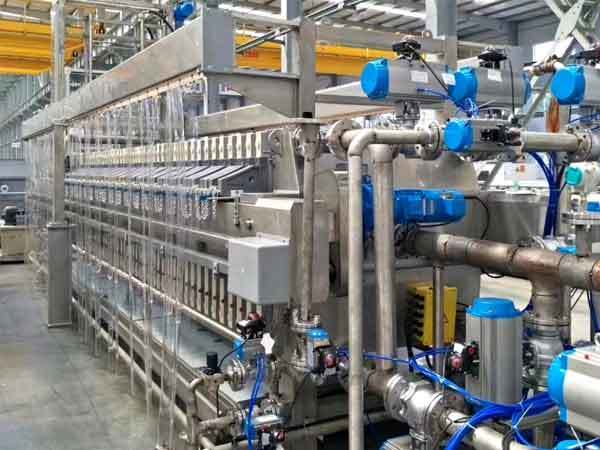
The filter press operates through a mechanism that includes a series of filter plates, which are pressed together to create chambers for sludge to collect. As the slurry is pumped into the press, the water is forced out, allowing for the solid materials to be captured within the chambers. This process not only reduces the volume of waste but also transforms the effluent into a more manageable and transportable form. The result is drier sludge that can be further processed or disposed of more efficiently.
One of the primary advantages of using an Industrial Effluent Treatment Filter Press is its efficiency in solid-liquid separation. This technology can achieve high levels of dryness in the cake produced, which is beneficial for both disposal and potential reuse. The ability to extract valuable resources from wastewater, such as metals or organic compounds, is becoming increasingly important in a world focused on recycling and sustainability.
Moreover, filter presses are versatile and can be used across various industries, including food processing, pharmaceuticals, textiles, and more. Each industry has its specific requirements, and filter presses can be customized to meet these needs, ensuring optimal performance. This adaptability makes them a preferred choice for many manufacturers looking to enhance their wastewater treatment processes.
In terms of economic impact, utilizing an Industrial Effluent Treatment Filter Press can lead to significant cost savings. By reducing the volume of waste that requires treatment and disposal, companies can minimize their operational expenses. Furthermore, effective waste management can contribute to a positive corporate image, showcasing a commitment to environmental responsibility.
It is essential for businesses to consider the integration of an Industrial Effluent Treatment Filter Press as part of their overall wastewater management strategy. By doing so, they can not only comply with regulations but also contribute to a more sustainable future. This technology supports not just the reduction of environmental impact, but also the efficient use of resources, thus aligning with global sustainability goals.
In summary, the Industrial Effluent Treatment Filter Press is an invaluable tool in the realm of manufacturing and environmental management. Its ability to efficiently dewater sludge and separate solids from liquids makes it a cornerstone technology in ensuring that industrial processes can continue to operate sustainably and responsibly.
The filter press operates through a mechanism that includes a series of filter plates, which are pressed together to create chambers for sludge to collect. As the slurry is pumped into the press, the water is forced out, allowing for the solid materials to be captured within the chambers. This process not only reduces the volume of waste but also transforms the effluent into a more manageable and transportable form. The result is drier sludge that can be further processed or disposed of more efficiently.
One of the primary advantages of using an Industrial Effluent Treatment Filter Press is its efficiency in solid-liquid separation. This technology can achieve high levels of dryness in the cake produced, which is beneficial for both disposal and potential reuse. The ability to extract valuable resources from wastewater, such as metals or organic compounds, is becoming increasingly important in a world focused on recycling and sustainability.
Moreover, filter presses are versatile and can be used across various industries, including food processing, pharmaceuticals, textiles, and more. Each industry has its specific requirements, and filter presses can be customized to meet these needs, ensuring optimal performance. This adaptability makes them a preferred choice for many manufacturers looking to enhance their wastewater treatment processes.
In terms of economic impact, utilizing an Industrial Effluent Treatment Filter Press can lead to significant cost savings. By reducing the volume of waste that requires treatment and disposal, companies can minimize their operational expenses. Furthermore, effective waste management can contribute to a positive corporate image, showcasing a commitment to environmental responsibility.
It is essential for businesses to consider the integration of an Industrial Effluent Treatment Filter Press as part of their overall wastewater management strategy. By doing so, they can not only comply with regulations but also contribute to a more sustainable future. This technology supports not just the reduction of environmental impact, but also the efficient use of resources, thus aligning with global sustainability goals.
In summary, the Industrial Effluent Treatment Filter Press is an invaluable tool in the realm of manufacturing and environmental management. Its ability to efficiently dewater sludge and separate solids from liquids makes it a cornerstone technology in ensuring that industrial processes can continue to operate sustainably and responsibly.
RELATED NEWS



Copyright ©
