
Understanding the Dewatering Process: Filter Press Explained
Time:
Apr 04,2025
Understanding the Dewatering Process: Filter Press Explained Table of Contents What is Dewatering? Importance of Dewatering in Various Industries Overview of Filter Press How Filter Press Works: A Step-by-Step Explanation Types of Filter Presses Applications of Filter Press in Different Industries Benefits of Using Filter Press in Dewatering Maintenance and Trouble
Understanding the Dewatering Process: Filter Press Explained
Table of Contents
- What is Dewatering?
- Importance of Dewatering in Various Industries
- Overview of Filter Press
- How Filter Press Works: A Step-by-Step Explanation
- Types of Filter Presses
- Applications of Filter Press in Different Industries
- Benefits of Using Filter Press in Dewatering
- Maintenance and Troubleshooting of Filter Press
- The Future of Dewatering Technology
- Conclusion
- Frequently Asked Questions
What is Dewatering?
Dewatering is the process of removing water from solid materials or soil by applying mechanical, gravitational, or hydraulic forces. This essential procedure is critical across various industries, including construction, mining, and wastewater treatment. By extracting excess moisture, dewatering improves material handling, enhances structural stability, and prepares materials for disposal or further processing.
Importance of Dewatering in Various Industries
The significance of dewatering cannot be overstated. In construction, it helps maintain a dry working environment, preventing structural damage. In mining, efficient dewatering allows for easier mineral extraction and processing. In wastewater treatment, dewatering reduces the volume of sludge, making it easier and more cost-effective to handle and dispose of.
Overview of Filter Press
A filter press is a specialized machine designed for solid-liquid separation. It utilizes pressure to separate liquid from solid materials, making it a crucial component in the dewatering process. The filter press operates by forcing a slurry through a series of filter plates, resulting in the formation of a solid cake and the separation of clarified liquid.
How Filter Press Works: A Step-by-Step Explanation
The operation of a filter press involves several key steps:
1. Slurry Preparation
Before the filtering process begins, the slurry, which is a mixture of solid particles and liquids, is prepared. This preparation may involve adding chemicals to facilitate the separation process.
2. Filling the Filter Press
The slurry is pumped into the filter press chamber, where it fills the space between the filter plates. This chamber is created when the plates are closed together, forming a series of compartments.
3. Filtration Process
As the slurry fills the chamber, the liquid begins to pass through the filter cloth that covers the plates. The solid particles are retained, forming a filter cake that builds up over time.
4. Cake Formation
The building of the filter cake continues until the desired thickness is achieved. This process is essential for effective separation, as a thicker cake generally leads to better filtration performance.
5. Washing the Cake
Once the cake is formed, it can be washed to remove any residual liquid or contaminants. This step enhances the quality of the final product.
6. Cake Discharge
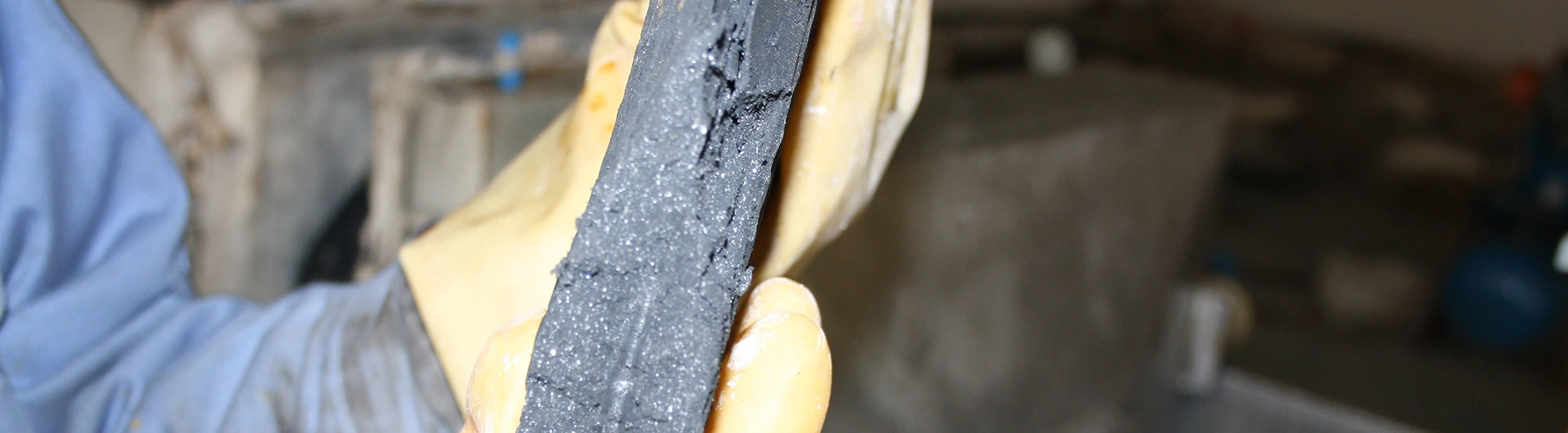
After washing, the filter press is opened, and the dry filter cake is discharged. This solid material can then be disposed of or processed further.
7. Cleaning and Maintenance
Post-operation, the filter press is cleaned and maintained to ensure optimal performance for future operations.
Types of Filter Presses
Several types of filter presses cater to different dewatering needs. Each type offers unique advantages based on the specific application:
1. Plate and Frame Filter Press
This traditional design consists of alternating filter plates and frames that create chambers for the slurry. It's versatile and suitable for various applications.
2. Chamber Filter Press
Similar to the plate and frame design but with deeper chambers, the chamber filter press can hold more slurry, making it ideal for higher volume applications.
3. Membrane Filter Press
Featuring flexible membranes on the filter plates, this type allows for greater pressure during the filtration process, enhancing cake dryness and reducing washing requirements.
4. Automatic Filter Press
Designed for continuous operation, automatic filter presses minimize manual intervention, making them suitable for large-scale industrial applications.
5. Vertical Filter Press
These filter presses operate vertically, saving space while providing efficient filtration for specific applications where height is a constraint.
Applications of Filter Press in Different Industries
Filter presses have broad applications across numerous industries, including:
1. Wastewater Treatment
In wastewater treatment facilities, filter presses efficiently separate sludge from the liquid waste stream, reducing disposal costs and improving treatment processes.
2. Mining and Mineral Processing
In mining, filter presses are used to dewater tailings, allowing for the efficient recovery of valuable minerals while minimizing environmental impact.
3. Food and Beverage Industry
In the food industry, filter presses help in the clarification of juices and wines, ensuring quality and enhancing shelf life.
4. Chemical Processing
Chemical manufacturers rely on filter presses for the separation of solids from liquids, ensuring product purity and compliance with industry standards.
5. Pharmaceutical Production
In pharmaceutical applications, filter presses are used to meet stringent cleanliness and quality requirements, making them essential for drug manufacturing.
Benefits of Using Filter Press in Dewatering
The utilization of filter presses in dewatering processes offers numerous advantages:
1. High Efficiency
Filter presses provide effective solid-liquid separation, achieving high levels of dryness in the filtered cake.
2. Cost-Effective
By reducing the volume of waste for disposal and minimizing water treatment costs, filter presses prove to be economically beneficial.
3. Versatility
These presses can handle various types of slurries, making them suitable for diverse applications across different industries.
4. Enhanced Product Quality
The thorough separation process ensures that the final product meets the desired quality standards, essential in industries such as food and pharmaceuticals.
5. Low Environmental Impact
By improving waste management and reducing water usage, filter presses contribute to more sustainable industrial practices.
Maintenance and Troubleshooting of Filter Press
Proper maintenance is crucial for the longevity and efficiency of a filter press. Regular inspection of components, timely replacement of filter cloths, and ensuring proper cleaning can prevent common issues such as clogging and inefficient filtration.
1. Regular Inspection
Routine checks on the mechanical parts, hydraulic systems, and filter cloth should be performed to identify wear and tear.
2. Filter Cloth Replacement
Cloth maintenance is essential. Worn-out or damaged filter cloths can lead to inefficient separation and increased operational costs.
3. Cleaning Protocols
Implementing effective cleaning protocols after each operation helps maintain optimal performance and reduces downtime.
The Future of Dewatering Technology
As industries continue to evolve, the dewatering landscape is on the brink of significant advancements. Innovations such as automation, enhanced materials for filter cloths, and integration of real-time monitoring systems are paving the way for more efficient and sustainable dewatering solutions.
Conclusion
Understanding the dewatering process, particularly through the function of filter presses, is vital for industries reliant on efficient solid-liquid separation. The filter press stands out as a powerful tool that offers numerous advantages, from cost savings to enhanced product quality. As technology advances, the future of dewatering will likely see even more improvements, making it essential for professionals in various fields to stay informed about the latest developments.
Frequently Asked Questions
1. What is the primary function of a filter press?
The primary function of a filter press is to separate solids from liquids using pressure, resulting in a dry filter cake and clarified liquid.
2. How does a filter press differ from other dewatering technologies?
Filter presses utilize pressure and a series of filter plates to achieve solid-liquid separation, which may differ in efficiency and application compared to technologies like centrifuges or belt presses.
3. What are the common issues faced with filter presses?
Common issues include clogging of filter cloths, uneven cake formation, and mechanical failures, which can be mitigated through regular maintenance and monitoring.
4. Can filter presses be automated?
Yes, many modern filter presses are designed for automatic operation, reducing manual labor and increasing efficiency in large-scale applications.
5. How do I select the right filter press for my application?
Selecting the right filter press depends on factors such as the type of material being processed, desired throughput, and budget. It is crucial to consult with manufacturers or specialists to find a suitable model.
RELATED NEWS



Copyright ©
