

Why Your Operation Needs a Sand Washing Slurry Dewatering Filter Press: Unlocking Efficiency and Sustainability
Time:
Apr 14,2025
Why Your Operation Needs a Sand Washing Slurry Dewatering Filter Press Table of Contents Introduction to Sand Washing Slurry Dewatering Filter Press The Importance of Slurry Management in Manufacturing Key Benefits of Using a Sand Washing Slurry Dewatering Filter Press 1. Enhanced Operational Efficiency 2. Cost-Effectiveness 3. Environmenta
Why Your Operation Needs a Sand Washing Slurry Dewatering Filter Press
Table of Contents
- Introduction to Sand Washing Slurry Dewatering Filter Press
- The Importance of Slurry Management in Manufacturing
- Key Benefits of Using a Sand Washing Slurry Dewatering Filter Press
- How the Sand Washing Slurry Dewatering Filter Press Works
- Applications of Sand Washing Slurry Dewatering Filter Press
- Choosing the Right Filter Press for Your Operation
- Maintenance Tips for Optimal Performance
- Frequently Asked Questions
- Conclusion
Introduction to Sand Washing Slurry Dewatering Filter Press
In today's fast-paced industrial landscape, managing slurry effectively is no longer just an operational necessity but a strategic advantage. The **sand washing slurry dewatering filter press** has emerged as a pivotal component in various manufacturing sectors, especially within the engineering and construction machinery industry. By facilitating the efficient removal of water and solid waste from slurry, this technology not only enhances productivity but also aligns with environmentally responsible practices.
The Importance of Slurry Management in Manufacturing
Efficient slurry management is critical for manufacturing operations, especially when dealing with materials like sand and aggregates. Poor management can lead to several challenges, including:
- **Increased Waste Generation**: Unmanaged slurry can accumulate, leading to higher disposal costs.
- **Operational Downtime**: Inefficient slurry processing can slow down production lines.
- **Environmental Compliance Risks**: Failure to manage slurry effectively can result in penalties and damage to reputation.
By implementing a sand washing slurry dewatering filter press, companies can address these challenges head-on.
Key Benefits of Using a Sand Washing Slurry Dewatering Filter Press
1. Enhanced Operational Efficiency
The first major benefit of integrating a sand washing slurry dewatering filter press is its impact on **operational efficiency**. These machines are designed to efficiently separate water from sand and other materials, allowing for faster processing times. This acceleration in the dewatering process translates to a more streamlined production workflow, enabling your operation to meet growing demand without sacrificing quality.
2. Cost-Effectiveness
Investing in a sand washing slurry dewatering filter press can be financially beneficial in multiple ways. First, it significantly reduces waste disposal costs. By effectively dewatering slurry, the volume of waste sent to landfills decreases, which can lead to lower transportation and disposal fees. Additionally, the recovered water can often be recycled back into the production process, further reducing water consumption and operational costs.
3. Environmental Sustainability
In an age where environmental responsibility is paramount, the sand washing slurry dewatering filter press stands out as a sustainable option. By minimizing waste and enabling water recycling, these machines help operations comply with environmental regulations. Moreover, adopting sustainable practices can enhance your company’s reputation, attracting more environmentally-conscious clients and partners.
How the Sand Washing Slurry Dewatering Filter Press Works
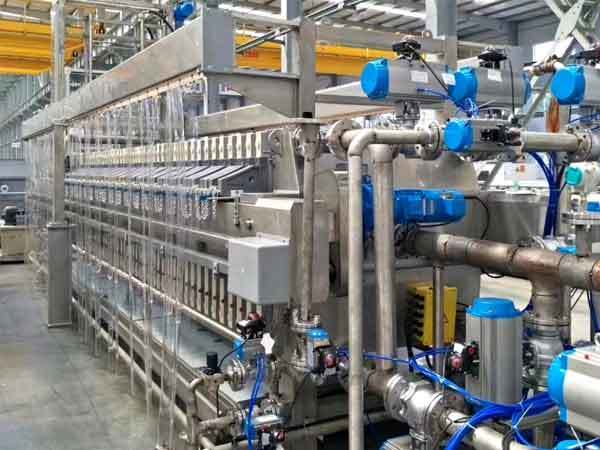
Understanding how a sand washing slurry dewatering filter press operates is essential for maximizing its benefits. This equipment utilizes a series of filter plates to separate solid materials from the liquid in the slurry. Here’s a simplified breakdown of the process:
1. **Feeding**: The slurry is pumped into the filter press, filling the chambers between the filter plates.
2. **Dewatering Cycle**: As the hydraulic pressure increases, water is forced through the filter cloth and out of the press, leaving behind a cake of solid material.
3. **Cake Removal**: Once the dewatering cycle is complete, the filter press opens, allowing for the removal of the solid cake.
4. **Recycling**: The separated water can be treated and reused in the operation.
This efficient operation highlights the technological advancements that modern filter presses offer.
Applications of Sand Washing Slurry Dewatering Filter Press
The versatility of sand washing slurry dewatering filter presses makes them suitable for various applications within the manufacturing sector. Some prominent applications include:
- **Construction and Demolition**: Effective removal of slurry generated from cutting and crushing activities.
- **Mining**: Dewatering of tailings to minimize environmental impact.
- **Metal Processing**: Handling wastewater containing metal sludges.
- **Concrete Production**: Managing slurry from concrete washing processes.
These applications illustrate how the filter press can enhance productivity across diverse industries.
Choosing the Right Filter Press for Your Operation
Selecting the appropriate sand washing slurry dewatering filter press involves considering several factors:
- **Capacity Requirements**: Assess the volume of slurry your operation generates to choose a machine that meets your throughput needs.
- **Space Constraints**: Evaluate the available space within your facility to determine the size and configuration of the filter press.
- **Automation Features**: Consider options with advanced automation for reduced labor costs and improved efficiency.
- **Maintenance Needs**: Look for models designed for easy maintenance to minimize downtime.
By taking these factors into account, you can select a filter press that aligns with your operational goals.
Maintenance Tips for Optimal Performance
To ensure the longevity and effectiveness of your sand washing slurry dewatering filter press, regular maintenance is crucial. Here are some key maintenance tips:
- **Regular Inspections**: Schedule routine inspections to check for wear and tear on filter plates and seals.
- **Cleaning Protocols**: Establish cleaning protocols to prevent clogging and ensure efficient operation.
- **Lubrication**: Keep moving parts well-lubricated to minimize friction and wear.
- **Operator Training**: Ensure that operators are trained on proper usage and maintenance procedures to prevent mishaps.
By staying proactive with maintenance, you can avoid costly repairs and ensure optimal performance.
Frequently Asked Questions
1. What is a sand washing slurry dewatering filter press?
A sand washing slurry dewatering filter press is a machine designed to separate water from slurry, allowing for the efficient recovery of solid materials and water recycling.
2. How does a dewatering filter press improve efficiency?
It enhances efficiency by accelerating the dewatering process, reducing operational downtime and streamlining production workflows.
3. Can I recycle the water generated from the filter press?
Yes, the separated water can often be treated and reused in your operation, reducing water consumption and costs.
4. What are the maintenance requirements for a filter press?
Regular inspections, cleaning protocols, lubrication, and operator training are essential for maintaining optimal performance.
5. What industries benefit from using a sand washing slurry dewatering filter press?
Industries such as construction, mining, metal processing, and concrete production can all benefit from this technology.
Conclusion
Integrating a sand washing slurry dewatering filter press into your manufacturing operation is a strategic move that enhances efficiency, lowers costs, and promotes sustainability. By understanding its functionality, applications, and maintenance needs, you can make informed decisions that lead to operational excellence. As the industry continues to evolve, embracing such technologies will keep your operation competitive, environmentally responsible, and prepared for the future.
RELATED NEWS



Copyright ©
