

How Filter Press Technology Enhances Semiconductor Wastewater Treatment
Time:
May 04,2025
How Filter Press Technology Enhances Semiconductor Wastewater Treatment Table of Contents 1. Introduction to Semiconductor Wastewater Treatment 2. Understanding Filter Press Technology 3. The Importance of Wastewater Management in Semiconductor Manufacturing 4. How Filter Press Technology Works in Wastewater Treatment 4.1 The Mechanics of Filter Press Operations 4.2 Types of Filter Press Systems 5
How Filter Press Technology Enhances Semiconductor Wastewater Treatment
Table of Contents
1. Introduction to Semiconductor Wastewater Treatment
2. Understanding Filter Press Technology
3. The Importance of Wastewater Management in Semiconductor Manufacturing
4. How Filter Press Technology Works in Wastewater Treatment
4.1 The Mechanics of Filter Press Operations
4.2 Types of Filter Press Systems
5. Benefits of Using Filter Press Technology in Semiconductor Wastewater Treatment
5.1 Enhanced Efficiency and Cost-Effectiveness
5.2 Improved Water Quality and Compliance
5.3 Environmental Sustainability
6. Challenges in Implementing Filter Press Technology
7. Future Trends in Wastewater Treatment Technology
8. Conclusion
9. Frequently Asked Questions (FAQs)
1. Introduction to Semiconductor Wastewater Treatment
In the semiconductor industry, the manufacturing process generates significant amounts of wastewater that contain harmful chemicals and heavy metals. Proper management of this wastewater is crucial to comply with environmental regulations and ensure the sustainability of operations. As the demand for efficient and effective wastewater treatment solutions rises, **filter press technology** emerges as a key player. This article delves into how filter press technology enhances wastewater treatment in semiconductor manufacturing, exploring its mechanisms, benefits, and future prospects.
2. Understanding Filter Press Technology
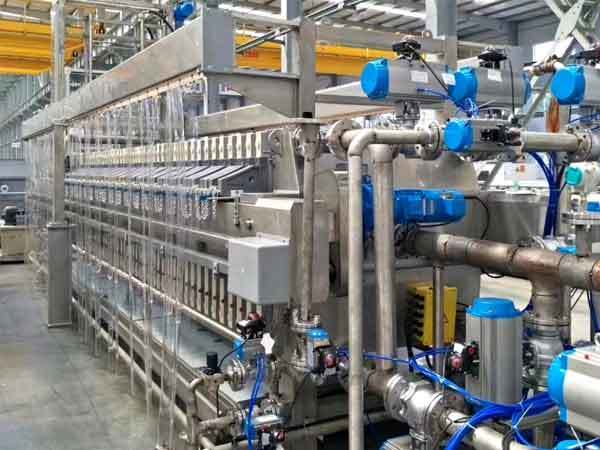
Filter press technology is a widely used method for solid-liquid separation in various industries, including semiconductor manufacturing. The system consists of a series of plates and frames that create chambers for the slurry, allowing water to be separated from solid particles. This technology not only increases the efficiency of wastewater treatment but also reduces the environmental impact of sludge disposal.
3. The Importance of Wastewater Management in Semiconductor Manufacturing
The semiconductor industry is known for its rigorous standards to maintain cleanliness and ensure product quality. Wastewater generated during the manufacturing process contains toxic substances that can harm the environment if not treated properly. Effective wastewater management is essential to:
- Comply with environmental regulations
- Minimize the risk of pollution
- Protect public health
- Promote sustainable manufacturing practices
By adopting advanced technologies, such as filter presses, companies can significantly improve their wastewater treatment processes, ensuring that harmful substances are removed before discharge.
4. How Filter Press Technology Works in Wastewater Treatment
Filter press technology operates on the principle of pressure filtration. It efficiently separates solids from liquids, making it particularly suitable for treating semiconductor wastewater.
4.1 The Mechanics of Filter Press Operations
The filter press consists of two main components: the filter plates and the filter cloth. Slurry is pumped into the press, filling the chambers between the plates. As pressure is applied, water is forced through the filter cloth, leaving behind solid particles. The process typically involves several cycles, including filling, pressing, and discharging.
4.2 Types of Filter Press Systems
There are various types of filter press systems, including:
- **Batch Filter Presses**: Designed for intermittent operation, ideal for smaller volumes of wastewater.
- **Continuous Filter Presses**: Suitable for larger volumes, allowing for continuous operation and increased throughput.
- **Automatic Filter Presses**: Equipped with automation features that enhance efficiency and reduce labor costs.
The choice of filter press system depends on the specific needs of the semiconductor manufacturing process.
5. Benefits of Using Filter Press Technology in Semiconductor Wastewater Treatment
Implementing filter press technology in semiconductor wastewater treatment offers several advantages:
5.1 Enhanced Efficiency and Cost-Effectiveness
Filter presses can achieve high levels of solid-liquid separation, resulting in lower operational costs. The quick cycle times and high throughput make them an attractive option for semiconductor manufacturers looking to optimize their wastewater treatment processes.
5.2 Improved Water Quality and Compliance
By effectively removing contaminants, filter press technology ensures that treated water meets regulatory standards. This compliance not only avoids potential fines but also enhances the company’s reputation as a responsible manufacturer.
5.3 Environmental Sustainability
Adopting filter press technology contributes to sustainable manufacturing practices by minimizing waste and reducing the carbon footprint associated with wastewater disposal. Cleaner water discharge positively impacts local ecosystems and supports corporate social responsibility initiatives.
6. Challenges in Implementing Filter Press Technology
While filter press technology offers numerous benefits, some challenges may arise during implementation, including:
- High initial capital investment
- Maintenance requirements
- Operator training and expertise needed for optimal operation
Addressing these challenges involves careful planning, investment in training, and routine maintenance to ensure the system operates efficiently.
7. Future Trends in Wastewater Treatment Technology
As the semiconductor industry evolves, so too will wastewater treatment technologies. Key trends to watch include:
- The integration of automation and AI to optimize filter press operations.
- Increased focus on zero-liquid discharge systems to maximize resource recovery.
- Development of advanced materials for filter cloths to enhance filtration efficiency.
These innovations will further enhance the effectiveness of wastewater treatments and support the industry's sustainability goals.
8. Conclusion
Filter press technology represents a significant advancement in the wastewater treatment processes of semiconductor manufacturing. By improving efficiency, ensuring compliance with environmental regulations, and promoting sustainability, this technology plays a critical role in mitigating the environmental impact of the semiconductor industry. As we move forward, continuous innovation and adoption of advanced treatment technologies will be essential for meeting the challenges posed by wastewater management in this vital sector.
9. Frequently Asked Questions (FAQs)
What is a filter press, and how does it work?
A filter press is a device used for solid-liquid separation, consisting of a series of plates and frames. It operates by pumping slurry into chambers, where pressure forces water through filter cloths, leaving solid residues behind.
What are the benefits of using filter press technology in wastewater treatment?
The benefits include enhanced efficiency, lower operational costs, improved water quality, and compliance with environmental regulations, alongside promoting sustainable practices.
How does filter press technology ensure compliance with environmental regulations?
By effectively removing contaminants from wastewater, filter presses help companies meet regulatory standards, which is vital for avoiding fines and maintaining a responsible image.
What challenges might a company face when implementing filter press technology?
Companies may encounter challenges such as high initial costs, maintenance needs, and the requirement for trained operators to ensure the system runs optimally.
What are the future trends in wastewater treatment technology for the semiconductor industry?
Future trends include automation and AI integration, advancements in filter materials, and a stronger emphasis on zero-liquid discharge systems to enhance resource recovery and sustainability.
By understanding the intricacies of filter press technology and its application in semiconductor wastewater treatment, companies can successfully navigate the challenges of wastewater management while enhancing their operational efficiency and environmental sustainability.
RELATED NEWS



Copyright ©
