

Understanding the Role of Industrial Effluent Treatment Filter Press in Environmental Sustainability
Time:
May 09,2025
In the realm of manufacturing and processing machinery, particularly in engineering, construction, and municipal sanitation, the management of industrial effluent is a critical concern. An Industrial Effluent Treatment Filter Press plays a significant role in this context, providing an effective solution for treating wastewater generated from various industrial processes. The primary function of a
In the realm of manufacturing and processing machinery, particularly in engineering, construction, and municipal sanitation, the management of industrial effluent is a critical concern. An Industrial Effluent Treatment Filter Press plays a significant role in this context, providing an effective solution for treating wastewater generated from various industrial processes.
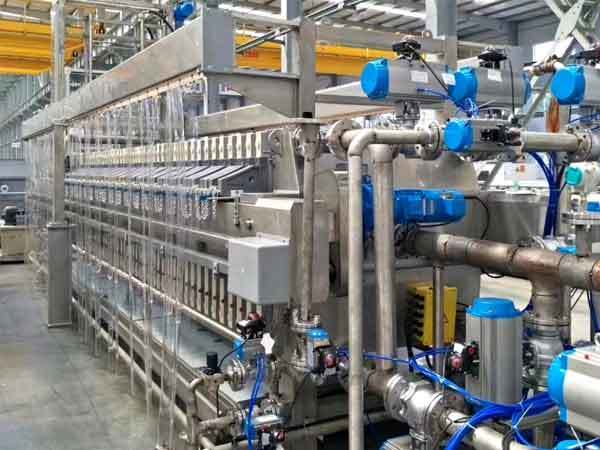
The primary function of a filter press is to separate solids from liquids, which is crucial in treating industrial effluent. The process involves pumping the wastewater into the filter press, where it is subjected to high pressure. The solids are then trapped in the filter cloth, forming a cake, while the clarified liquid (or filtrate) is expelled. This method is especially beneficial for industries that generate a large volume of sludge or solid waste, as it significantly reduces the volume of wastewater requiring further treatment or disposal.
One of the key advantages of using an Industrial Effluent Treatment Filter Press is its ability to produce a high-quality cake with low moisture content. This not only facilitates easier handling and disposal of the solid waste but also opens up opportunities for recycling and recovery. By converting waste into a reusable product, industries can contribute to a circular economy, reducing their overall environmental footprint.
In addition to operational benefits, the implementation of a filter press aligns with regulatory compliance. As environmental regulations become increasingly stringent, businesses must ensure that their wastewater treatment processes meet specific standards. Utilizing an Industrial Effluent Treatment Filter Press can help organizations comply with these regulations, minimizing the risk of penalties and enhancing their reputation as environmentally responsible entities.
Moreover, the maintenance of an Industrial Effluent Treatment Filter Press is generally straightforward, with many modern systems designed for ease of operation and minimal downtime. This reliability ensures that manufacturers can maintain efficiency in their processes while adhering to environmental standards.
It is also important to consider the technological advancements in filter press systems. Innovations such as automatic plate shifting and enhanced filter media have improved the efficiency and performance of these machines, making them more effective in handling various types of industrial effluents.
In summary, the Industrial Effluent Treatment Filter Press serves as a vital tool in the manufacturing and processing sectors, addressing the dual challenges of efficient wastewater management and environmental sustainability. By incorporating this technology, industries can not only maintain compliance with environmental regulations but also promote sustainable practices that benefit both the economy and the environment. Understanding the importance of these systems can lead to more informed decisions and practices in managing industrial effluent effectively.
The primary function of a filter press is to separate solids from liquids, which is crucial in treating industrial effluent. The process involves pumping the wastewater into the filter press, where it is subjected to high pressure. The solids are then trapped in the filter cloth, forming a cake, while the clarified liquid (or filtrate) is expelled. This method is especially beneficial for industries that generate a large volume of sludge or solid waste, as it significantly reduces the volume of wastewater requiring further treatment or disposal.
One of the key advantages of using an Industrial Effluent Treatment Filter Press is its ability to produce a high-quality cake with low moisture content. This not only facilitates easier handling and disposal of the solid waste but also opens up opportunities for recycling and recovery. By converting waste into a reusable product, industries can contribute to a circular economy, reducing their overall environmental footprint.
In addition to operational benefits, the implementation of a filter press aligns with regulatory compliance. As environmental regulations become increasingly stringent, businesses must ensure that their wastewater treatment processes meet specific standards. Utilizing an Industrial Effluent Treatment Filter Press can help organizations comply with these regulations, minimizing the risk of penalties and enhancing their reputation as environmentally responsible entities.
Moreover, the maintenance of an Industrial Effluent Treatment Filter Press is generally straightforward, with many modern systems designed for ease of operation and minimal downtime. This reliability ensures that manufacturers can maintain efficiency in their processes while adhering to environmental standards.
It is also important to consider the technological advancements in filter press systems. Innovations such as automatic plate shifting and enhanced filter media have improved the efficiency and performance of these machines, making them more effective in handling various types of industrial effluents.
In summary, the Industrial Effluent Treatment Filter Press serves as a vital tool in the manufacturing and processing sectors, addressing the dual challenges of efficient wastewater management and environmental sustainability. By incorporating this technology, industries can not only maintain compliance with environmental regulations but also promote sustainable practices that benefit both the economy and the environment. Understanding the importance of these systems can lead to more informed decisions and practices in managing industrial effluent effectively.
RELATED NEWS



Copyright ©
