

How to Evaluate the Performance of Your Filter Press Feeding Pump: A Comprehensive Guide
Time:
May 16,2025
How to Evaluate the Performance of Your Filter Press Feeding Pump In the world of manufacturing and construction, the efficiency of your equipment directly impacts productivity and cost-effectiveness. Among these vital pieces of machinery, the filter press feeding pump plays a crucial role in ensuring optimal filtration performance. In this guide, we will delve deep into the evaluation of filter p
How to Evaluate the Performance of Your Filter Press Feeding Pump
In the world of manufacturing and construction, the efficiency of your equipment directly impacts productivity and cost-effectiveness. Among these vital pieces of machinery, the filter press feeding pump plays a crucial role in ensuring optimal filtration performance. In this guide, we will delve deep into the evaluation of filter press feeding pumps, providing you with the tools and knowledge needed to assess their performance effectively.
Table of Contents
- Understanding Filter Press Feeding Pumps
- Importance of Performance Evaluation
- Key Performance Indicators (KPIs)
- Methods for Evaluating Performance
- Common Issues and Solutions
- Maintenance Tips for Optimizing Performance
- Case Studies and Examples
- Frequently Asked Questions
- Conclusion
Understanding Filter Press Feeding Pumps
Filter press feeding pumps are specialized devices designed to facilitate the filtration process by transporting slurry into the filter press. These pumps ensure that the slurry is fed at the correct pressure and flow rate, allowing for effective separation of solids and liquids. Understanding how these pumps operate is essential to evaluating their performance accurately.
Components of a Filter Press Feeding Pump
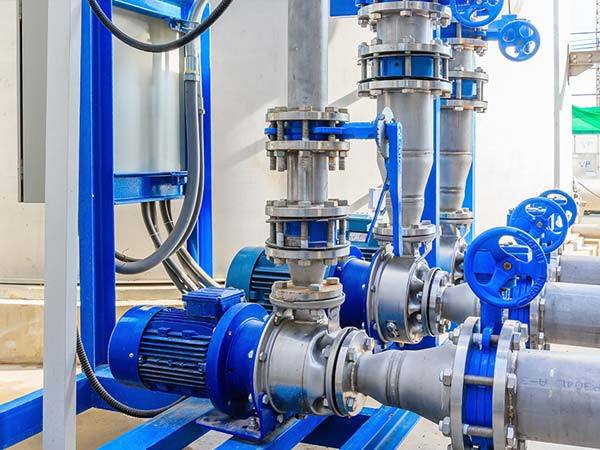
A typical filter press feeding pump consists of several key components:
- Pumping Mechanism: This includes various types of pumps such as diaphragm pumps, rotary lobe pumps, and screw pumps, each offering distinct advantages depending on the application.
- Motor: The motor drives the pump mechanism, and its power rating can significantly influence performance.
- Control System: This may include variable frequency drives (VFDs) or control panels that help monitor and adjust pump performance in real-time.
- Connections and Hoses: These components are crucial for maintaining proper slurry flow and ensuring leak-free operation.
Importance of Performance Evaluation
Regular performance evaluation of your filter press feeding pump is essential for several reasons:
- Operational Efficiency: Understanding how well your pump performs can lead to improved operational efficiency, decreased energy consumption, and a reduction in downtime.
- Cost Savings: By identifying performance issues early, you can prevent costly repairs or replacements that arise from neglect.
- Product Quality: A well-functioning feeding pump ensures that the filtration process runs smoothly, leading to higher quality end products.
Key Performance Indicators (KPIs)
To effectively evaluate the performance of your filter press feeding pump, certain metrics should be monitored regularly. These key performance indicators (KPIs) provide insights into how well your pump operates:
1. Flow Rate
The flow rate, measured in liters per minute (L/min) or gallons per minute (GPM), indicates how much slurry the pump can deliver over a given period. A decrease in flow rate may signal blockages or mechanical issues.
2. Pressure
Measuring the discharge pressure helps determine whether the pump is functioning within its designed parameters. Fluctuations in pressure can indicate wear or malfunction.
3. Energy Consumption
Monitoring the energy consumption of the pump can reveal inefficiencies. A sudden spike in energy use may suggest that the pump is working harder due to blockages or other issues.
4. Wear and Tear
Regular inspections for wear on key components such as seals, diaphragm, or impellers can provide early warnings of potential failures.
5. Slurry Characteristics
Understanding the properties of the slurry being pumped, such as viscosity and particle size, helps in assessing whether the pump is suitable for the application.
Methods for Evaluating Performance
Several methods can be employed to evaluate the performance of your filter press feeding pump. Each method offers unique insights and can help identify different types of issues:
1. Performance Testing
Conducting regular performance tests allows you to gather data on flow rate, pressure, and energy consumption under various operating conditions. This data can be compared against the manufacturer’s specifications to assess pump performance.
2. Visual Inspections
Regular visual inspections can help identify leaks, corrosion, or any physical damage. These inspections should be part of a routine maintenance check.
3. Vibration Analysis
Vibration analysis helps identify mechanical issues such as misalignment or imbalance, leading to early detection of potential failures.
4. Data Logging and Monitoring
Implementing data logging systems allows for continuous monitoring of pump performance over time, making it easier to identify trends and deviations from normal behavior.
Common Issues and Solutions
Understanding common performance issues can aid in faster troubleshooting and resolution:
1. Reduced Flow Rate
Issue: This can occur due to blockages or wear in the pumping mechanism.
Solution: Clean the intake filter and check for clogs in hoses or pipes.
2. High Energy Consumption
Issue: Increased energy use may indicate pump inefficiencies.
Solution: Inspect for mechanical wear and correct any misalignments.
3. Fluctuating Pressure
Issue: Variability in pressure can result from inconsistent slurry characteristics or pump wear.
Solution: Adjust the pump speed or replace worn components.
4. Excessive Noise
Issue: Unusual noise can indicate mechanical issues.
Solution: Check for loose components or worn bearings.
Maintenance Tips for Optimizing Performance
Regular maintenance is key to ensuring the longevity and efficiency of your filter press feeding pump. Here are some essential maintenance tips:
1. Schedule Regular Inspections
Establish a routine inspection schedule to check for leaks, wear, and overall functionality. This can help catch issues before they escalate.
2. Clean Filters and Strainers
Regularly clean or replace filters and strainers to prevent blockages and maintain optimal flow rates.
3. Lubrication
Ensure all moving parts are properly lubricated to minimize wear and tear on components.
4. Monitor Operating Conditions
Keep a close eye on the slurry's temperature and viscosity, as these factors can impact pump performance.
Case Studies and Examples
Understanding real-world applications can provide valuable insights into best practices for evaluating pump performance:
1. Municipal Wastewater Treatment
In a municipal wastewater treatment facility, a filter press feeding pump faced issues with fluctuating discharge pressure. By implementing a routine performance evaluation, the facility identified a worn diaphragm, which was replaced. This resulted in restored pressure stability and improved efficiency.
2. Mining Operations
In a mining operation, a pump was experiencing reduced flow rates. After performance testing identified blockages in the system, the operators conducted a thorough cleaning and filter replacement, leading to a significant increase in efficiency and productivity.
Frequently Asked Questions
1. How often should I evaluate my filter press feeding pump's performance?
Regular evaluations should be conducted at least once a month, but weekly checks can provide better insights into performance fluctuations.
2. What are the signs of a failing feeding pump?
Common signs include reduced flow rates, fluctuating pressure, increased noise, and higher energy consumption.
3. Can I perform maintenance on the pump myself?
Yes, basic maintenance tasks such as cleaning filters and visual inspections can be performed by operators; however, complex repairs should be left to professionals.
4. What type of pump is best for my application?
The ideal pump type depends on the slurry characteristics and the specific requirements of your filtration process. Consult with a pump specialist for tailored recommendations.
5. How does slurry viscosity affect pump performance?
Higher viscosity can lead to decreased flow rates and increased energy consumption, making it crucial to select a pump that can handle the specific slurry properties.
Conclusion
Evaluating the performance of your filter press feeding pump is critical for ensuring operational efficiency and product quality in manufacturing and construction processes. By understanding the key performance indicators, employing effective evaluation methods, and adhering to regular maintenance schedules, you can optimize your pump's performance and prolong its lifespan. Take the time to conduct thorough assessments, address any issues promptly, and implement best practices for maintenance. In doing so, you will not only improve your filtration process but also contribute to the overall success of your operations.
RELATED NEWS



Copyright ©
