

Real-World Applications of Dewatering Filter Press in Waste Management
Time:
May 30,2025
Real-World Applications of Dewatering Filter Press in Waste Management Table of Contents 1. Introduction to Dewatering Filter Press 2. Understanding Waste Management and Its Challenges 3. How Dewatering Filter Press Works 3.1 The Mechanism Behind the Filter Press 3.2 Types of Dewatering Filter Presses 4. Key Benefits of Utilizing Dewatering Filter Press in Waste Management 4.1 Cost Efficiency 4.2
Real-World Applications of Dewatering Filter Press in Waste Management
Table of Contents
1. Introduction to Dewatering Filter Press
2. Understanding Waste Management and Its Challenges
3. How Dewatering Filter Press Works
3.1 The Mechanism Behind the Filter Press
3.2 Types of Dewatering Filter Presses
4. Key Benefits of Utilizing Dewatering Filter Press in Waste Management
4.1 Cost Efficiency
4.2 Environmental Impact
4.3 Enhanced Waste Management Efficiency
5. Real-World Applications of Dewatering Filter Press
5.1 Municipal Waste Treatment
5.2 Industrial Waste Management
5.3 Mining and Mineral Processing
5.4 Food and Beverage Industry
5.5 Construction and Demolition Waste
6. Case Studies on Dewatering Filter Press Applications
6.1 Municipal Wastewater Treatment Plant
6.2 Industrial Manufacturing Facility
7. Best Practices for Implementing Dewatering Filter Press
7.1 Regular Maintenance and Monitoring
7.2 Operator Training and Safety
8. Future Trends in Dewatering Technology
9. Frequently Asked Questions (FAQs)
10. Conclusion
1. Introduction to Dewatering Filter Press
Dewatering filter presses are essential tools in waste management, designed to separate liquids from solids in sludge and other slurry-like materials. They play a critical role in reducing waste volume, enabling more efficient disposal and recycling processes. By enhancing the dewatering process, these machines help organizations comply with environmental regulations while promoting sustainability.
2. Understanding Waste Management and Its Challenges
Waste management encompasses the collection, transport, treatment, and disposal of waste materials. As urbanization and industrial activities increase, waste generation rises, leading to significant challenges. These challenges include the need for efficient waste treatment solutions, adherence to environmental regulations, and the push for sustainable practices.
3. How Dewatering Filter Press Works
3.1 The Mechanism Behind the Filter Press
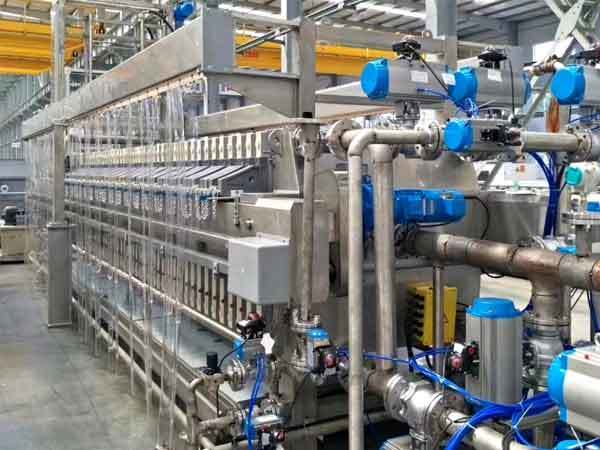
The basic operation of a dewatering filter press involves filling the press with slurry, where a series of plates and frames create chambers for the sludge. The press exerts high pressure to force water out of the solids, resulting in a dry cake and clarified liquid. This process significantly reduces the weight and volume of waste for disposal.
3.2 Types of Dewatering Filter Presses
Various types of dewatering filter presses exist, including manual, semi-automatic, and fully automatic models. Each type offers distinct advantages depending on the scale of operations and specific waste characteristics.
4. Key Benefits of Utilizing Dewatering Filter Press in Waste Management
4.1 Cost Efficiency
Using a dewatering filter press can lead to substantial cost savings by reducing waste disposal fees, minimizing transportation expenses, and decreasing the need for landfilling. Additionally, the recovery of valuable materials from the waste stream can further offset costs.
4.2 Environmental Impact
Dewatering filter presses contribute to environmental protection by facilitating the recycling of waste materials and reducing the volume of waste that ends up in landfills. This not only helps in conserving natural resources but also minimizes the impact on ecosystems.
4.3 Enhanced Waste Management Efficiency
By streamlining the dewatering process, industries can improve overall waste management efficiency. Faster processing times lead to quicker turnaround and increased productivity, allowing organizations to handle larger volumes of waste effectively.
5. Real-World Applications of Dewatering Filter Press
5.1 Municipal Waste Treatment
Municipalities worldwide utilize dewatering filter presses in wastewater treatment facilities to manage sludge produced during water purification processes. This application ensures that treated sludge meets regulatory requirements before disposal or land application.
5.2 Industrial Waste Management
Industries such as textiles, pharmaceuticals, and chemicals generate substantial waste. Dewatering filter presses help these sectors manage their waste by efficiently separating solids from liquids, thus allowing for proper and responsible disposal or recycling.
5.3 Mining and Mineral Processing
In the mining industry, dewatering filter presses are critical for recovering valuable minerals from slurry and reducing the environmental footprint of mining operations. They help manage tailings effectively, promoting sustainability in mineral extraction.
5.4 Food and Beverage Industry
The food and beverage sector produces significant amounts of waste, including wastewater and solids from processing. Dewatering filter presses streamline waste management in this industry, ensuring compliance with hygiene standards while enabling the recovery of organic matter.
5.5 Construction and Demolition Waste
Dewatering filter presses can also be employed in the construction sector to handle waste materials like concrete slurry and other debris. By effectively separating water from solids, these presses facilitate recycling and reduce landfill dependence.
6. Case Studies on Dewatering Filter Press Applications
6.1 Municipal Wastewater Treatment Plant
A case study in a municipal wastewater treatment plant showcases the successful implementation of a dewatering filter press, highlighting improved sludge management, reduced disposal costs, and enhanced compliance with environmental regulations.
6.2 Industrial Manufacturing Facility
Another case illustrates how an industrial manufacturing facility adopted a dewatering filter press to manage its waste, resulting in significant operational efficiency and cost savings while promoting a sustainable waste management strategy.
7. Best Practices for Implementing Dewatering Filter Press
7.1 Regular Maintenance and Monitoring
To ensure optimal performance, regular maintenance and monitoring of dewatering filter presses are essential. This includes checking for wear and tear, replacing filters, and ensuring proper calibration of pressure settings.
7.2 Operator Training and Safety
Training operators on the proper use and safety protocols of dewatering filter presses is crucial. Well-trained staff can maximize efficiency, minimize accidents, and enhance overall productivity.
8. Future Trends in Dewatering Technology
The future of dewatering technology is promising, with emerging trends focusing on automation, energy efficiency, and the integration of smart technology. These advancements are set to revolutionize waste management practices, making them even more sustainable and efficient.
9. Frequently Asked Questions (FAQs)
1. What is a dewatering filter press?
A dewatering filter press is a machine that separates liquids from solids in sludges and slurries, enhancing waste management efficiency.
2. What industries use dewatering filter presses?
Dewatering filter presses are used in various industries, including municipal waste treatment, manufacturing, mining, food processing, and construction.
3. How does a dewatering filter press work?
The machine operates by filling with slurry, applying high pressure to remove water, and producing a dry cake and clarified liquid.
4. What are the environmental benefits of using dewatering filter presses?
They help reduce waste volume, facilitate recycling, and minimize environmental impact by lowering landfill dependence.
5. What maintenance is required for dewatering filter presses?
Regular maintenance includes checking parts for wear, calibrating pressure settings, and ensuring filters are clean.
10. Conclusion
Dewatering filter presses are indispensable in modern waste management, offering significant benefits in terms of efficiency, cost savings, and environmental impact. By embracing this technology, industries can enhance their waste treatment processes, comply with regulations, and contribute to a more sustainable future. Investing in dewatering filter presses is not just a smart business decision; it is a crucial step toward responsible environmental stewardship.
RELATED NEWS



Copyright ©
