

Innovative Solutions: Maximizing Efficiency with Sand Washing Slurry Dewatering
Time:
Jun 13,2025
Innovative Solutions: Maximizing Efficiency with Sand Washing Slurry Dewatering Table of Contents 1. Introduction to Sand Washing Slurry Dewatering 2. Importance of Efficient Sand Washing Processes 3. Key Challenges in Sand Washing and Slurry Dewatering 4. Innovative Technologies for Enhancing Efficiency 4.1. High-Efficiency Dewatering Equipment 4.2. Advanced Filtration Systems 4.3. Automation in
Innovative Solutions: Maximizing Efficiency with Sand Washing Slurry Dewatering
Table of Contents
1. Introduction to Sand Washing Slurry Dewatering
2. Importance of Efficient Sand Washing Processes
3. Key Challenges in Sand Washing and Slurry Dewatering
4. Innovative Technologies for Enhancing Efficiency
4.1. High-Efficiency Dewatering Equipment
4.2. Advanced Filtration Systems
4.3. Automation in Sand Washing Processes
5. Environmental Considerations in Slurry Dewatering
6. Case Studies: Successful Implementations of Innovative Solutions
7. Future Trends in Sand Washing and Slurry Dewatering
8. Frequently Asked Questions (FAQs)
9. Conclusion
1. Introduction to Sand Washing Slurry Dewatering
Sand washing slurry dewatering is a critical process in the construction and heavy machinery industry. It involves the separation of sand particles from water and other impurities, ensuring that the sand is of high quality for various construction applications. As demand for sustainable and efficient practices rises, the importance of innovative solutions in this area cannot be overstated.
2. Importance of Efficient Sand Washing Processes
Efficient sand washing processes not only contribute to improved product quality but also play a significant role in enhancing operational productivity. By maximizing the recovery of fine materials and reducing waste, companies can achieve a competitive edge in the market. Furthermore, effective slurry dewatering minimizes water consumption, aligning with environmental sustainability goals.
3. Key Challenges in Sand Washing and Slurry Dewatering
Despite the advancements in technology, the sand washing and slurry dewatering processes face several challenges, including:
- **Water Management:** Efficiently managing water resources while ensuring effective separation of sand and slurry is a primary concern.
- **Material Loss:** Inefficient processes can lead to significant loss of valuable materials, affecting profitability.
- **Operational Downtime:** Equipment malfunctions or inefficient processes can lead to increased downtime, impacting overall productivity.
- **Environmental Regulations:** Adhering to regulatory standards for water discharge and waste management can complicate operations.
4. Innovative Technologies for Enhancing Efficiency
To address these challenges, various innovative technologies have emerged, transforming traditional sand washing and slurry dewatering practices. Below are some of the most impactful solutions.
4.1. High-Efficiency Dewatering Equipment
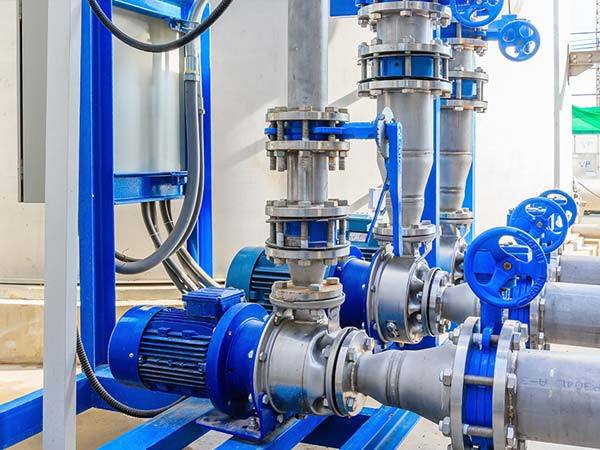
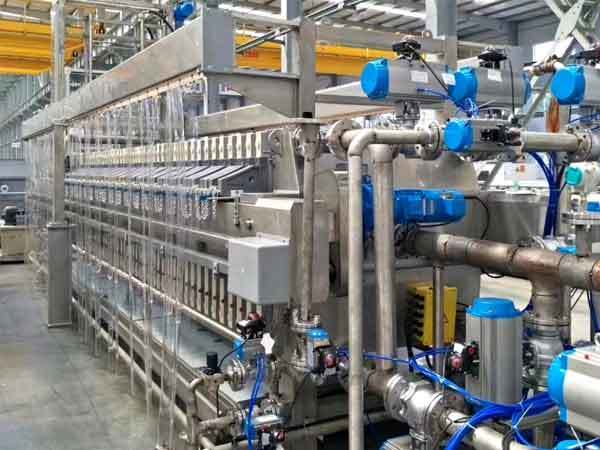
Modern dewatering equipment, such as centrifuges and rotary drum filters, have revolutionized the way sand is processed. These machines significantly reduce moisture content in the sand, leading to higher quality end products. The efficiency of these machines is enhanced by their ability to operate continuously, thereby increasing throughput.
4.2. Advanced Filtration Systems
State-of-the-art filtration systems, including membrane filtration and pressure filters, are designed to remove impurities from the slurry effectively. These systems offer high recovery rates of both water and sand, supporting sustainability initiatives. By utilizing advanced materials and technologies, these filtration systems operate more efficiently while maintaining low energy consumption.
4.3. Automation in Sand Washing Processes
Automation plays a vital role in maximizing the efficiency of sand washing processes. By implementing smart sensors and control systems, companies can monitor and optimize their operations in real-time. Automation minimizes human error, improves accuracy, and allows for quick adjustments based on varying material conditions.
5. Environmental Considerations in Slurry Dewatering
Sustainability is at the forefront of many industrial processes today, and sand washing slurry dewatering is no exception. The implementation of innovative solutions not only improves efficiency but also reduces the environmental footprint. Companies are increasingly focusing on:
- **Water Recycling:** Advanced systems allow for the recycling of water used in the washing process, significantly reducing water consumption.
- **Waste Management:** Effective dewatering techniques minimize waste generation, ensuring compliance with environmental regulations.
- **Reduction of Carbon Footprint:** By optimizing processes and reducing energy consumption, companies can contribute to a lower carbon footprint.
6. Case Studies: Successful Implementations of Innovative Solutions
Several companies have successfully implemented innovative technologies in their sand washing and slurry dewatering processes, achieving remarkable results. For instance, a leading construction firm adopted high-efficiency centrifuge systems, resulting in a 30% increase in sand recovery rates and a substantial reduction in water usage. Another company integrated automated monitoring systems, reducing operational downtime by 40% and improving overall productivity.
7. Future Trends in Sand Washing and Slurry Dewatering
As technology continues to evolve, the future of sand washing and slurry dewatering looks promising. Emerging trends include:
- **Smart Technologies:** The integration of IoT devices enables real-time monitoring and data analysis, leading to further optimization of processes.
- **Biodegradable Chemicals:** The adoption of environmentally friendly chemicals for sand washing can enhance sustainability without compromising efficiency.
- **Modular Systems:** Flexible, modular designs allow for easy scalability and customization, accommodating varying operational needs.
8. Frequently Asked Questions (FAQs)
Q1: What is sand washing slurry dewatering?
A1: Sand washing slurry dewatering is the process of separating sand particles from water and impurities, enhancing the quality of sand for construction purposes.
Q2: Why is efficiency important in sand washing?
A2: Improved efficiency in sand washing leads to better product quality, reduced material loss, lower operational costs, and enhanced environmental sustainability.
Q3: What innovative technologies are available for sand washing?
A3: High-efficiency dewatering equipment, advanced filtration systems, and automation technologies are among the key innovations enhancing sand washing processes.
Q4: How can companies reduce their environmental impact in sand washing?
A4: By implementing water recycling systems, effective waste management practices, and energy-efficient technologies, companies can significantly reduce their environmental footprint.
Q5: What are the future trends in sand washing and slurry dewatering?
A5: Future trends include the adoption of smart technologies, biodegradable chemicals, and modular processing systems for greater flexibility and efficiency.
9. Conclusion
In summary, the evolution of sand washing slurry dewatering processes is marked by the integration of innovative solutions that maximize efficiency while also addressing environmental concerns. By embracing cutting-edge technologies, companies can enhance productivity, reduce operational costs, and contribute to sustainable practices in the construction and heavy machinery industry. As we look to the future, continued innovation will be crucial in navigating the challenges of this vital sector.
RELATED NEWS



Copyright ©
