

Maximizing Efficiency in Industrial Effluent Treatment: The Role of Filter Presses
Time:
Jul 18,2025
In the manufacturing and processing industries, the management of industrial effluent is a critical concern due to the need for environmental compliance and sustainability. One of the most effective solutions for treating industrial effluents is the use of filter presses. These machines play a vital role in separating solids from liquids, thereby ensuring that wastewater is treated efficiently and
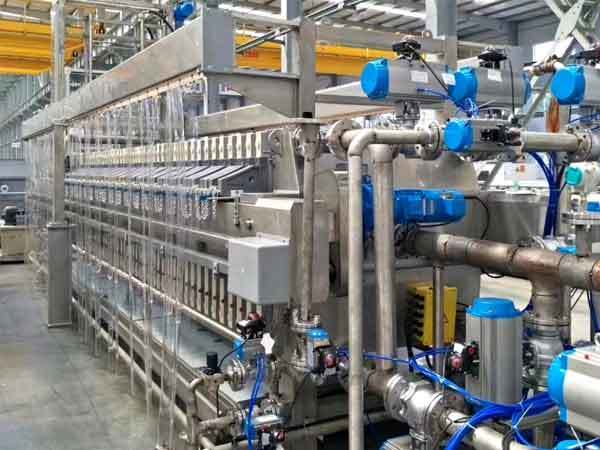
In the manufacturing and processing industries, the management of industrial effluent is a critical concern due to the need for environmental compliance and sustainability. One of the most effective solutions for treating industrial effluents is the use of filter presses. These machines play a vital role in separating solids from liquids, thereby ensuring that wastewater is treated efficiently and effectively.
Filter presses work by using a series of plates and frames to create chambers where the effluent is introduced. As the liquid is forced through the filter media, solid particles are retained, and clean water is collected for further treatment or discharge. This process not only aids in the reduction of water pollution but also allows for the recovery of valuable by-products from the effluent.
One of the significant advantages of utilizing industrial effluent treatment filter presses is their ability to handle a wide range of materials. Whether dealing with sludge from wastewater treatment plants or industrial by-products, these machines are designed to accommodate various solids and liquid compositions. This versatility makes them essential in diverse applications, including construction and environmental sanitation machinery.
Moreover, filter presses contribute to operational efficiency. By dewatering sludge and reducing the volume of waste, companies can achieve significant cost savings in disposal fees and transportation expenses. Additionally, the concentrated solids produced can often be reused or repurposed, enhancing overall resource efficiency within the manufacturing process.
Maintenance and operation of filter presses are relatively straightforward, but proper training for staff is essential. Regular monitoring of the system is necessary to ensure optimal performance and to identify any potential issues early. By engaging skilled personnel in the operation and maintenance of these machines, manufacturers can prolong equipment lifespan and enhance treatment efficiency.
In conclusion, industrial effluent treatment filter presses are a critical component in the manufacturing and processing sectors. They not only help companies meet regulatory requirements but also support environmentally sustainable practices. By investing in this technology, businesses can improve their waste management processes, reduce operational costs, and contribute positively to environmental preservation. Embracing filter presses can lead to more responsible manufacturing practices and a greener future for the industry.
Filter presses work by using a series of plates and frames to create chambers where the effluent is introduced. As the liquid is forced through the filter media, solid particles are retained, and clean water is collected for further treatment or discharge. This process not only aids in the reduction of water pollution but also allows for the recovery of valuable by-products from the effluent.
One of the significant advantages of utilizing industrial effluent treatment filter presses is their ability to handle a wide range of materials. Whether dealing with sludge from wastewater treatment plants or industrial by-products, these machines are designed to accommodate various solids and liquid compositions. This versatility makes them essential in diverse applications, including construction and environmental sanitation machinery.
Moreover, filter presses contribute to operational efficiency. By dewatering sludge and reducing the volume of waste, companies can achieve significant cost savings in disposal fees and transportation expenses. Additionally, the concentrated solids produced can often be reused or repurposed, enhancing overall resource efficiency within the manufacturing process.
Maintenance and operation of filter presses are relatively straightforward, but proper training for staff is essential. Regular monitoring of the system is necessary to ensure optimal performance and to identify any potential issues early. By engaging skilled personnel in the operation and maintenance of these machines, manufacturers can prolong equipment lifespan and enhance treatment efficiency.
In conclusion, industrial effluent treatment filter presses are a critical component in the manufacturing and processing sectors. They not only help companies meet regulatory requirements but also support environmentally sustainable practices. By investing in this technology, businesses can improve their waste management processes, reduce operational costs, and contribute positively to environmental preservation. Embracing filter presses can lead to more responsible manufacturing practices and a greener future for the industry.
RELATED NEWS



Copyright ©
