
Understanding Sludge Dewatering Filter Press: A Key Component in Wastewater Management
Time:
Aug 01,2025
The Sludge Dewatering Filter Press is an essential piece of equipment in the manufacturing and environmental sectors, particularly for municipal and industrial wastewater treatment operations. Its primary function is to separate solids from liquids in sludge, thereby reducing the volume of waste that must be treated or disposed of. This process is vital for minimizing environmental impact and ensu
The Sludge Dewatering Filter Press is an essential piece of equipment in the manufacturing and environmental sectors, particularly for municipal and industrial wastewater treatment operations. Its primary function is to separate solids from liquids in sludge, thereby reducing the volume of waste that must be treated or disposed of. This process is vital for minimizing environmental impact and ensuring compliance with regulatory standards.
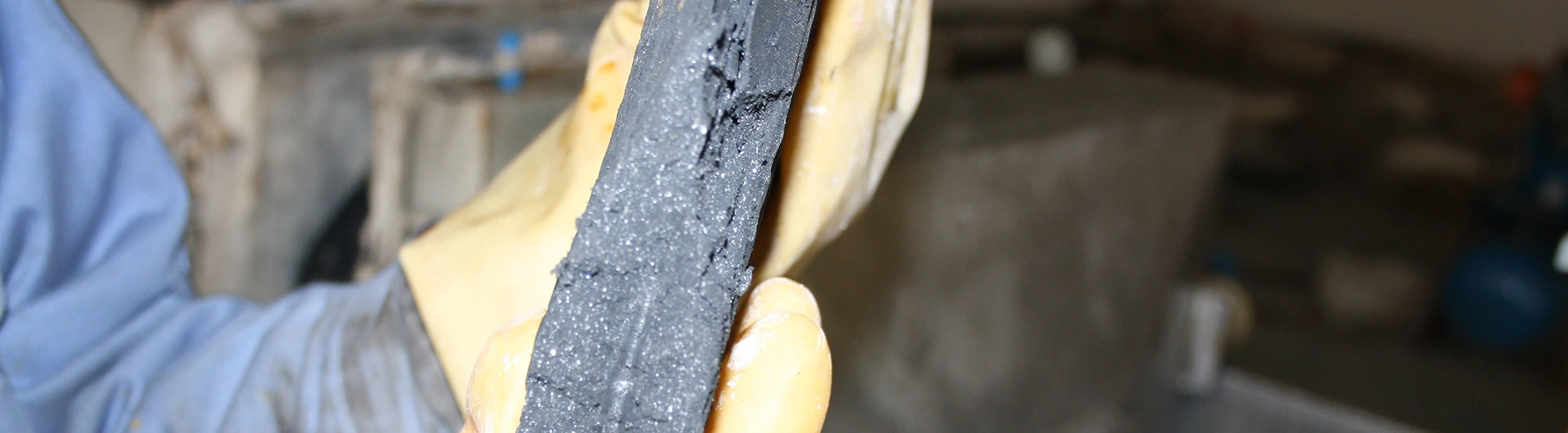
One of the key advantages of using a Sludge Dewatering Filter Press is its ability to produce a drier cake of solids, which is easier to handle, transport, and dispose of. This not only reduces disposal costs but also minimizes the environmental burden associated with landfill usage. By enhancing the solid-liquid separation process, facilities can achieve more efficient waste management and resource recovery.
The operation of a Sludge Dewatering Filter Press involves several stages, including filling, filtration, washing, and cake discharge. During the filling stage, the sludge is pumped into the press, where it's subjected to high pressure through filter plates. This pressure forces the liquid through filter cloths, leaving behind the solid material. The washing stage can further enhance the quality of the solid cake by removing residual contaminants, ensuring that the final product meets the necessary disposal or reuse standards.
In addition to its efficiency, the Sludge Dewatering Filter Press is also adaptable for various sludge types, including municipal wastewater sludge, industrial process sludge, and even agricultural waste. This versatility makes it a valuable investment for facilities across multiple sectors, including food processing, pharmaceuticals, and construction.
When selecting a Sludge Dewatering Filter Press, professionals should consider several factors. These include the type of sludge being processed, the desired dryness of the cake, and the specific throughput requirements of the facility. Advances in technology have also led to the development of automated systems that offer enhanced monitoring and control of the dewatering process, further increasing operational efficiency.
In conclusion, the Sludge Dewatering Filter Press is a vital component in the landscape of wastewater management. Its ability to efficiently separate solids from liquids not only aids in effective waste handling but also contributes to the broader goals of sustainability and environmental protection. For professionals in the manufacturing and environmental sectors, understanding the functionalities and applications of this equipment is crucial for optimizing their operations and adhering to environmental regulations.
One of the key advantages of using a Sludge Dewatering Filter Press is its ability to produce a drier cake of solids, which is easier to handle, transport, and dispose of. This not only reduces disposal costs but also minimizes the environmental burden associated with landfill usage. By enhancing the solid-liquid separation process, facilities can achieve more efficient waste management and resource recovery.
The operation of a Sludge Dewatering Filter Press involves several stages, including filling, filtration, washing, and cake discharge. During the filling stage, the sludge is pumped into the press, where it's subjected to high pressure through filter plates. This pressure forces the liquid through filter cloths, leaving behind the solid material. The washing stage can further enhance the quality of the solid cake by removing residual contaminants, ensuring that the final product meets the necessary disposal or reuse standards.
In addition to its efficiency, the Sludge Dewatering Filter Press is also adaptable for various sludge types, including municipal wastewater sludge, industrial process sludge, and even agricultural waste. This versatility makes it a valuable investment for facilities across multiple sectors, including food processing, pharmaceuticals, and construction.
When selecting a Sludge Dewatering Filter Press, professionals should consider several factors. These include the type of sludge being processed, the desired dryness of the cake, and the specific throughput requirements of the facility. Advances in technology have also led to the development of automated systems that offer enhanced monitoring and control of the dewatering process, further increasing operational efficiency.
In conclusion, the Sludge Dewatering Filter Press is a vital component in the landscape of wastewater management. Its ability to efficiently separate solids from liquids not only aids in effective waste handling but also contributes to the broader goals of sustainability and environmental protection. For professionals in the manufacturing and environmental sectors, understanding the functionalities and applications of this equipment is crucial for optimizing their operations and adhering to environmental regulations.
RELATED NEWS



Copyright ©
