
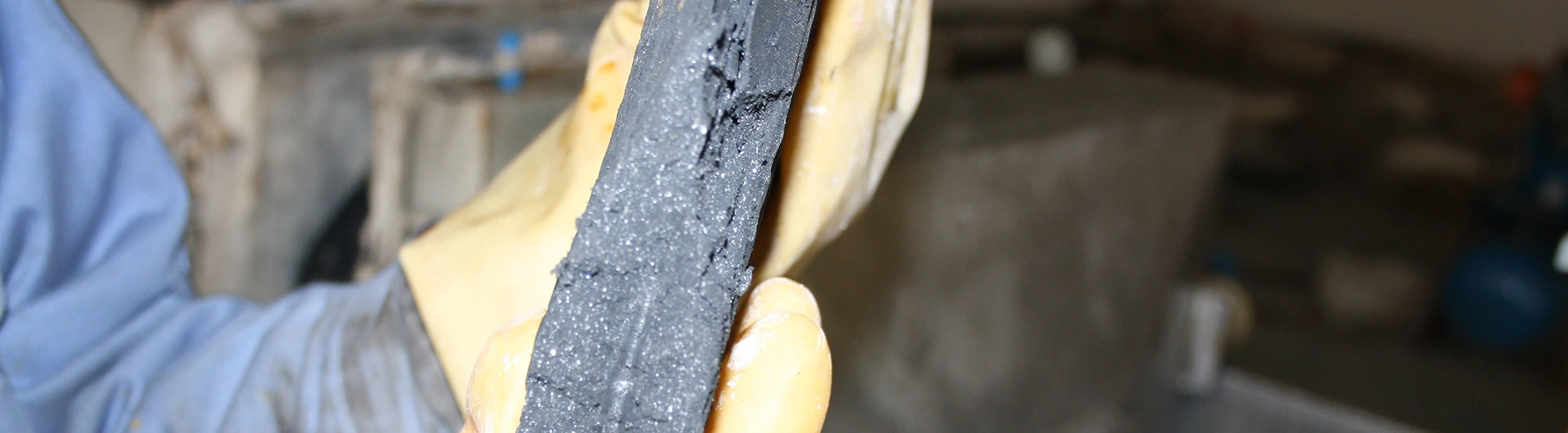
How to Enhance Sludge Dewatering with Filter Press Technology: A Comprehensive Guide
Time:
Aug 08,2025
How to Enhance Sludge Dewatering with Filter Press Technology Table of Contents 1. Introduction to Sludge Dewatering 2. Understanding Filter Press Technology 3. Advantages of Using Filter Press for Sludge Dewatering 4. Choosing the Right Filter Press System 5. The Sludge Dewatering Process Explained 6. Maintenance and Operational Tips for Optimal Performance 7. Case St
How to Enhance Sludge Dewatering with Filter Press Technology
Table of Contents
- 1. Introduction to Sludge Dewatering
- 2. Understanding Filter Press Technology
- 3. Advantages of Using Filter Press for Sludge Dewatering
- 4. Choosing the Right Filter Press System
- 5. The Sludge Dewatering Process Explained
- 6. Maintenance and Operational Tips for Optimal Performance
- 7. Case Studies: Success Stories in Sludge Dewatering
- 8. Challenges and Solutions in Sludge Management
- 9. Future Trends in Filter Press Technology
- 10. Conclusion
- 11. Frequently Asked Questions (FAQs)
1. Introduction to Sludge Dewatering
Sludge dewatering plays an essential role in waste management and environmental protection. This process helps separate liquid from solid waste, reducing volume and facilitating easier disposal or reuse. **Filter press technology** has emerged as a leading solution for enhancing sludge dewatering efficiency and effectiveness. Understanding the intricacies of this technology can significantly impact operational costs and environmental compliance.
2. Understanding Filter Press Technology
Filter presses are mechanical devices used to separate solids from liquids in various industries, including wastewater treatment, food processing, and mining. The fundamental working principle involves pumping the sludge into the press, where the liquid is forced through filter cloths, leaving solid waste trapped in the press chambers. Understanding the design and function of filter presses is crucial for optimizing their use in sludge dewatering.
The Components of a Filter Press
A standard filter press consists of several critical components, including:
- **Filter Plates**: These are the main components where the dewatering occurs. They come in various materials, such as polypropylene and stainless steel.
- **Filter Cloths**: These cloths line the plates and play a vital role in separating solids from liquids.
- **Hydraulic System**: This system controls the closing and opening of the filter plates.
- **Cake Discharge Mechanism**: This component is essential for removing the dewatered solid cake from the press.
3. Advantages of Using Filter Press for Sludge Dewatering
Implementing filter press technology in sludge dewatering offers several advantages, including:
High Solids Recovery Rate
Filter presses can achieve high solids recovery rates, significantly reducing the volume of waste that requires disposal.
Cost Efficiency
By lowering the volume of sludge, filter press technology reduces transportation costs and landfill fees, leading to substantial savings.
Improved Environmental Compliance
Utilizing this technology helps organizations meet stringent environmental regulations by effectively managing waste.
Versatility
Filter presses can handle a wide variety of sludge types, making them suitable for diverse applications, from municipal wastewater to industrial processes.
4. Choosing the Right Filter Press System
Selecting the appropriate filter press system is crucial for achieving optimal sludge dewatering results. Consider the following factors:
Sludge Characteristics
Evaluate the type and composition of the sludge you will be processing. Different sludges may require specific filter press designs and configurations.
Capacity and Size
Determine the daily volume of sludge to establish the size and capacity of the filter press needed.
Operational Environment
Consider the environment in which the filter press will operate, including temperature, humidity, and space constraints.
5. The Sludge Dewatering Process Explained
The sludge dewatering process using a filter press involves several steps:
1. Preparation
Before dewatering begins, the sludge may need to be conditioned through chemical treatment to improve its dewaterability.
2. Filling the Press
The prepared sludge is pumped into the filter press, filling the chambers.
3. Dewatering Phase
As pressure is applied, the liquid is forced out through the filter cloths, leaving behind a solid cake.
4. Cake Discharge
Once dewatering is complete, the solid cake is ejected from the filter press for disposal or further processing.
5. Cleaning and Maintenance
After each cycle, proper cleaning and maintenance are essential to ensure the longevity and efficiency of the system.
6. Maintenance and Operational Tips for Optimal Performance
To ensure the filter press operates at peak efficiency, regular maintenance is essential. Here are a few tips:
Regular Inspection
Conduct routine inspections to identify wear and tear on components, especially the filter cloths and plates.
Proper Cleaning
Establish a cleaning schedule to remove any residual sludge, which can affect performance.
Adjusting Operating Conditions
Monitor and adjust operating conditions such as pressure and flow rate to optimize performance based on the sludge characteristics.
7. Case Studies: Success Stories in Sludge Dewatering
Analyzing real-world applications of filter press technology in sludge dewatering can offer valuable insights.
Case Study 1: Municipal Wastewater Treatment Plant
In a municipal setting, a facility implemented a filter press system that increased solids recovery by 30%, significantly reducing disposal costs and enhancing compliance with environmental regulations.
Case Study 2: Industrial Sludge Management
An industrial plant adopted filter press technology to manage chemical sludge, achieving a 40% reduction in moisture content, which led to lower transportation fees and improved economic feasibility.
8. Challenges and Solutions in Sludge Management
While filter press technology offers numerous benefits, challenges can arise, including:
Variable Sludge Composition
Sludge composition can change, affecting dewatering efficiency. Regular monitoring and adjustments are necessary to address this variability.
Filter Cloth Maintenance
Filter cloths can become clogged, impacting performance. Implementing a routine maintenance schedule can mitigate this issue.
9. Future Trends in Filter Press Technology
The future of filter press technology looks promising, with advancements focusing on automation, energy efficiency, and enhanced materials for improved performance.
Integration with Smart Technologies
The incorporation of IoT and AI in filter press systems is expected to revolutionize sludge management, allowing for real-time monitoring and adjustments.
10. Conclusion
Enhancing sludge dewatering with filter press technology is an effective strategy for waste management and environmental compliance. By understanding the technology, selecting the right system, and implementing best practices for maintenance and operation, organizations can significantly improve their sludge dewatering processes. As innovations continue to emerge, staying informed about future trends will further empower industries to optimize their operations.
11. Frequently Asked Questions (FAQs)
1. What is the primary function of a filter press?
The primary function of a filter press is to separate solids from liquids in sludge, resulting in a dewatered solid cake and clarified liquid.
2. How often should filter cloths be replaced?
Filter cloths should be replaced based on operational demands, typically when they show signs of wear or reduced performance.
3. Can filter presses handle all types of sludge?
Filter presses can handle a wide range of sludge types, but specific configurations may be necessary for challenging compositions.
4. What are the typical maintenance requirements for a filter press?
Routine maintenance includes inspections, cleaning, and monitoring operational parameters to ensure optimal performance.
5. How can I determine the right size filter press for my needs?
Assess your daily sludge volume and characteristics to select a filter press that meets your specific capacity requirements.
RELATED NEWS



Copyright ©
