

Efficient Solutions for Municipal Sludge Dewatering: The Role of Filter Press Technology
Time:
Aug 15,2025
Municipal sludge dewatering is a critical process in waste management, particularly for municipalities dealing with the byproducts of sewage treatment. A Municipal Sludge Dewatering Filter Press is a vital tool in this context, designed to reduce the volume of sludge and facilitate easier handling and disposal. The primary function of this equipment is to separate water from the solid content of s
Municipal sludge dewatering is a critical process in waste management, particularly for municipalities dealing with the byproducts of sewage treatment. A Municipal Sludge Dewatering Filter Press is a vital tool in this context, designed to reduce the volume of sludge and facilitate easier handling and disposal. The primary function of this equipment is to separate water from the solid content of sludge, resulting in a drier cake that is significantly more manageable.
The operational principle of a Municipal Sludge Dewatering Filter Press involves the application of hydraulic pressure to sludge contained within filter plates. As the sludge is pumped into the chamber, water is expelled through the filter media, allowing solids to accumulate and form a cake. This process not only minimizes the disposal volume but also enhances the efficiency of subsequent treatment processes, whether for incineration, landfilling, or agricultural applications.
One of the key advantages of utilizing a filter press for sludge dewatering is its ability to achieve high solid content in the resulting cake, often exceeding 20% dry solids. This is particularly beneficial for municipalities looking to reduce transportation costs and improve landfill management. Additionally, the technology is adaptable to a variety of sludge types, including those with varying viscosities and compositions, making it a versatile choice for different treatment facilities.
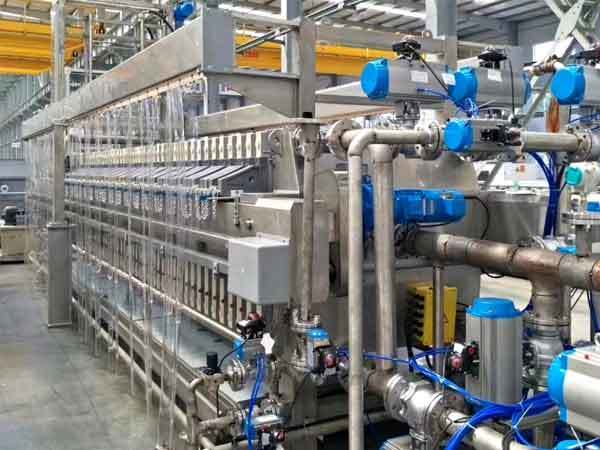
From a design perspective, Municipal Sludge Dewatering Filter Presses feature robust construction, often made from corrosion-resistant materials to withstand harsh operating conditions. They also come equipped with automated control systems that enhance operational efficiency, reduce manual labor, and minimize human error. These features not only optimize performance but also extend the equipment's lifespan, providing a valuable return on investment.
Moreover, the environmental implications of using a dewatering filter press are significant. By effectively reducing the volume of sludge, municipalities can decrease their carbon footprint associated with transportation and disposal. This aligns with global trends toward sustainability and responsible waste management, making the filter press an attractive option for forward-thinking governance.
In conclusion, Municipal Sludge Dewatering Filter Presses play a pivotal role in modern waste management strategies. Their ability to efficiently dewater sludge leads to operational cost savings, enhanced treatment processes, and reduced environmental impact. For municipalities seeking to improve their waste management operations, investing in this technology can yield substantial benefits both economically and environmentally. Understanding these advantages can assist industry professionals in making informed decisions regarding sludge treatment solutions.
The operational principle of a Municipal Sludge Dewatering Filter Press involves the application of hydraulic pressure to sludge contained within filter plates. As the sludge is pumped into the chamber, water is expelled through the filter media, allowing solids to accumulate and form a cake. This process not only minimizes the disposal volume but also enhances the efficiency of subsequent treatment processes, whether for incineration, landfilling, or agricultural applications.
One of the key advantages of utilizing a filter press for sludge dewatering is its ability to achieve high solid content in the resulting cake, often exceeding 20% dry solids. This is particularly beneficial for municipalities looking to reduce transportation costs and improve landfill management. Additionally, the technology is adaptable to a variety of sludge types, including those with varying viscosities and compositions, making it a versatile choice for different treatment facilities.
From a design perspective, Municipal Sludge Dewatering Filter Presses feature robust construction, often made from corrosion-resistant materials to withstand harsh operating conditions. They also come equipped with automated control systems that enhance operational efficiency, reduce manual labor, and minimize human error. These features not only optimize performance but also extend the equipment's lifespan, providing a valuable return on investment.
Moreover, the environmental implications of using a dewatering filter press are significant. By effectively reducing the volume of sludge, municipalities can decrease their carbon footprint associated with transportation and disposal. This aligns with global trends toward sustainability and responsible waste management, making the filter press an attractive option for forward-thinking governance.
In conclusion, Municipal Sludge Dewatering Filter Presses play a pivotal role in modern waste management strategies. Their ability to efficiently dewater sludge leads to operational cost savings, enhanced treatment processes, and reduced environmental impact. For municipalities seeking to improve their waste management operations, investing in this technology can yield substantial benefits both economically and environmentally. Understanding these advantages can assist industry professionals in making informed decisions regarding sludge treatment solutions.
RELATED NEWS



Copyright ©
