

The Ultimate Guide to Sand Washing Slurry Dewatering Filter Press Technology
Time:
Aug 22,2025
The Ultimate Guide to Sand Washing Slurry Dewatering Filter Press Technology Table of Contents 1. Introduction to Sand Washing Slurry Dewatering 2. What is Sand Washing Slurry? 3. The Importance of Dewatering in Sand Processing 4. Overview of Filter Press Technology 5. Types of Filter Presses Used in Sand Dewatering 6. The Operational Process of Sand Washing and Dewatering
The Ultimate Guide to Sand Washing Slurry Dewatering Filter Press Technology
Table of Contents
- 1. Introduction to Sand Washing Slurry Dewatering
- 2. What is Sand Washing Slurry?
- 3. The Importance of Dewatering in Sand Processing
- 4. Overview of Filter Press Technology
- 5. Types of Filter Presses Used in Sand Dewatering
- 6. The Operational Process of Sand Washing and Dewatering
- 7. Benefits of Using Filter Presses for Sand Washing
- 8. Environmental Impact of Sand Washing and Dewatering
- 9. FAQs about Sand Washing Slurry Dewatering Filter Press Technology
- 10. Conclusion
1. Introduction to Sand Washing Slurry Dewatering
In the construction and mining industries, **sand washing slurry dewatering** plays a pivotal role in ensuring that the sand produced meets quality standards. This comprehensive guide will explore the technology behind **filter presses** and how they contribute to effective sand washing processes.
2. What is Sand Washing Slurry?
**Sand washing slurry** refers to a mixture of sand, water, and fine particles that are produced during the sand washing process. This slurry is typically thick and contains a substantial amount of water, making it crucial to have an effective **dewatering method** in place to separate the clean sand from the water and impurities.
3. The Importance of Dewatering in Sand Processing
Dewatering is essential for several reasons:
- **Quality Control**: Removing excess water and impurities ensures that the sand meets the required specifications for construction and other applications.
- **Cost Efficiency**: Proper dewatering reduces the costs associated with transporting water-laden sand, which can be substantial.
- **Environmental Compliance**: Efficient dewatering processes help in managing wastewater and complying with environmental regulations.
4. Overview of Filter Press Technology
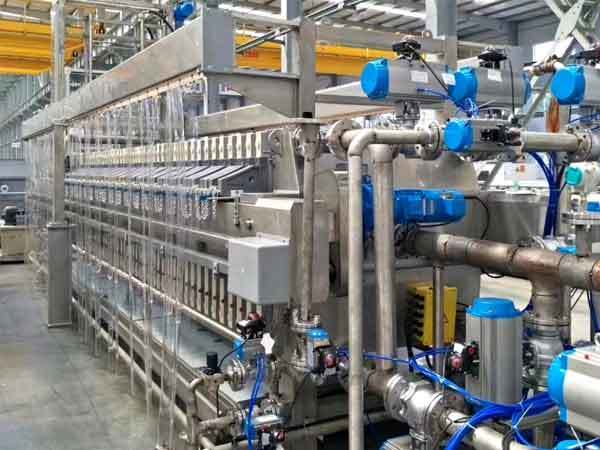
Filter press technology has revolutionized the way sand slurry is processed. By employing a series of plates and frames, filter presses can separate solids from liquids effectively. Water is pressed out of the slurry, resulting in a drier cake of sand that can be reused or disposed of more easily.
5. Types of Filter Presses Used in Sand Dewatering
There are several types of filter presses commonly used in sand dewatering applications:
- **Plate and Frame Filter Press**: This traditional filter press consists of alternating plates and frames. It is highly versatile and efficient in various applications.
- **Membrane Filter Press**: This type features membrane plates that can be inflated to further enhance dewatering efficiency. It is ideal for slurries with high solid content.
- **Automatic Filter Press**: Designed for continuous operation, this automated version reduces labor costs and increases throughput.
6. The Operational Process of Sand Washing and Dewatering
The operational process involves several stages:
1. **Slurry Preparation**: Sand is mixed with water, creating a slurry that is pumped into the filter press.
2. **Filtration**: As the slurry enters the filter press, the liquid is forced out through the filter cloth, leaving behind a concentrated cake of sand.
3. **Washing**: The cake can be washed to remove any remaining impurities before it is discharged.
4. **Discharge and Disposal**: The dewatered sand is discharged from the filter press, while the wastewater may be treated or reused.
7. Benefits of Using Filter Presses for Sand Washing
Utilizing filter presses in sand washing offers numerous benefits:
- **High Efficiency**: Filter presses can achieve high levels of dewatering, reducing the moisture content to as low as 10%.
- **Reduced Environmental Impact**: Enhanced water management leads to less waste and complies with environmental standards.
- **Cost Savings**: Lower water disposal costs and improved sand quality can significantly reduce operational expenses.
8. Environmental Impact of Sand Washing and Dewatering
Sand washing and dewatering can have both positive and negative environmental impacts. When managed correctly, these processes can lead to sustainable practices that minimize water usage and reduce pollution. Technologies like filter presses enable companies to recycle water, thus conserving resources and mitigating the environmental footprint of sand processing operations.
9. FAQs about Sand Washing Slurry Dewatering Filter Press Technology
1. What is the main function of a filter press in sand washing?
The primary function of a filter press is to separate solids from liquids in the sand slurry, producing a drier cake of sand for reuse or disposal.
2. How does the dewatering process affect sand quality?
Effective dewatering enhances the quality of sand by removing excess water and impurities, ensuring it meets industry standards for construction.
3. What factors influence the efficiency of a filter press?
Factors such as the type of slurry, pressure applied, filter cloth used, and the design of the filter press can significantly affect its efficiency.
4. Can water from the dewatering process be reused?
Yes, the water separated during the dewatering process can be treated and reused in the sand washing process, promoting sustainability.
5. What maintenance is required for filter presses?
Regular maintenance includes cleaning the filter cloth, inspecting the hydraulic system, and replacing worn-out parts to ensure optimal performance.
10. Conclusion
In conclusion, understanding the technology behind **sand washing slurry dewatering filter presses** is essential for professionals in the construction and mining industries. By implementing these technologies, companies can enhance efficiency, ensure high-quality sand production, and contribute to environmental sustainability. Embracing these advancements will not only improve operational performance but also align with the growing emphasis on responsible resource management.
RELATED NEWS




Copyright ©
