

How Automatic Filter Press Systems Effectively Reduce Operational Costs in Manufacturing and Construction Machinery
Time:
Sep 05,2025
How Automatic Filter Press Systems Reduce Operational Costs Introduction to Automatic Filter Press Systems In the realm of manufacturing and construction machinery, **automatic filter press systems** are gaining traction as a pivotal technology for enhancing productivity while cutting costs. These systems are designed to separate liquids from solids in slurry, making them indispensable in various
How Automatic Filter Press Systems Reduce Operational Costs
Introduction to Automatic Filter Press Systems
In the realm of manufacturing and construction machinery, **automatic filter press systems** are gaining traction as a pivotal technology for enhancing productivity while cutting costs. These systems are designed to separate liquids from solids in slurry, making them indispensable in various industries, including municipal and environmental sanitation. The following sections will delve into how these systems effectively reduce operational costs.
Understanding the Basics of Filter Press Technology
What is an Automatic Filter Press?
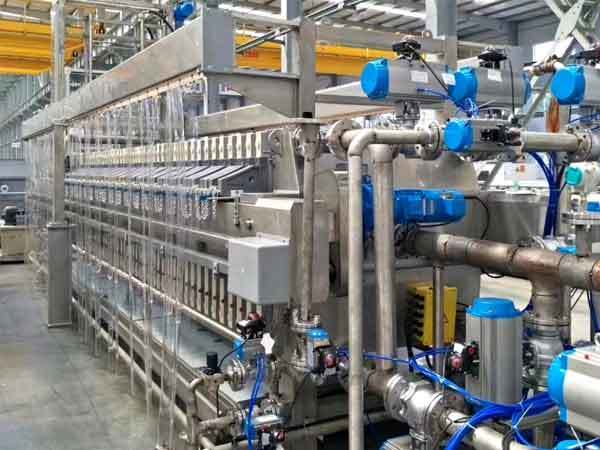
An **automatic filter press** is a mechanical device that utilizes pressure filtration to separate solids from liquids. It operates by forcing the slurry into a series of filter plates, where the solid particles are trapped, and the clear liquid is expelled. This mechanism is not only efficient but also offers numerous operational advantages.
Components of an Automatic Filter Press System
To appreciate how automatic filter press systems work, we need to examine their key components:
- **Filter Plates**: These plates are responsible for holding the filter cloth and retaining solid particles.
- **Filter Cloth**: This material separates the solids from the liquid, ensuring optimal filtration.
- **Hydraulic System**: This system is essential for opening and closing the filter plates, allowing for efficient operation.
- **Control System**: Automated controls enhance efficiency by regulating the filtration process.
The Role of Automatic Filter Press Systems in Cost Reduction
1. Increased Efficiency in Filtration Processes
One of the primary ways automatic filter press systems reduce operational costs is through increased efficiency. The automation of the filtration process minimizes the need for manual labor, which can be costly and time-consuming. Additionally, these systems can handle larger volumes of slurry in shorter time frames, leading to quicker turnaround times.
2. Reduced Labor Costs
With **automatic filter press systems**, the reliance on manual labor is significantly diminished. The automated processes reduce the workforce required for operations, leading to substantial savings in labor costs. Fewer personnel also mean lower overhead expenses associated with training and management.
3. Lower Water and Energy Consumption
Water and energy are critical resources in the filtration process. Automatic filter presses are designed to optimize the use of both, resulting in reduced utility costs. Efficient filtration minimizes water wastage and energy consumption, leading to a more sustainable operational model.
4. Enhanced Solid Recovery Rates
Automatic filter press systems can achieve higher solid recovery rates compared to traditional filtration methods. By maximizing the amount of solid material extracted from the slurry, companies can reduce disposal costs and even recover valuable materials for reuse, contributing to overall cost savings.
5. Minimization of Maintenance Expenses
Regular maintenance can be a significant expense for industrial machinery. However, the robust design of automatic filter presses allows for longer intervals between maintenance sessions. This reliability not only saves costs but also minimizes downtime, ensuring continuous operation.
Comparative Analysis: Traditional vs. Automatic Filter Press Systems
Traditional Filter Press Systems
Traditional filter press systems often require manual intervention for operation, which can lead to inconsistencies in filtration quality. They typically have longer cycle times, greater labor costs, and higher water and energy usage.
Automatic Filter Press Systems
In contrast, automatic filter press systems offer streamlined operations with advanced control mechanisms. They provide consistent results, enhanced filtration rates, and overall lower operational expenses. The reduced labor requirements and efficient resource usage make them a more cost-effective solution.
Case Studies: Illustrating Cost Savings with Automatic Filter Press Systems
Case Study 1: Municipal Wastewater Treatment
In a recent project, a municipal wastewater treatment facility implemented an automatic filter press system. The results were remarkable. The facility reported a **30% reduction in operational costs**, primarily due to decreased labor needs and lower water consumption. Additionally, the improved solid recovery rates led to significant savings in waste disposal fees.
Case Study 2: Mining Industry Application
In the mining industry, a company adopted automatic filter press technology to manage slurry from mineral processing. The implementation resulted in a **40% reduction in overall processing costs**. Enhanced filtration efficiency allowed for better resource recovery, and reduced energy consumption further contributed to cost savings.
Implementation Considerations for Businesses
Assessing Your Filtration Needs
Before transitioning to an automatic filter press system, businesses should evaluate their specific filtration requirements. This includes analyzing the types of materials being processed, the volume of slurry, and the desired recovery rates.
Choosing the Right System
Selecting an appropriate filter press model is crucial. Factors to consider include:
- **Size and Capacity**: Determine the volume of slurry to be processed.
- **Material Compatibility**: Ensure the system is suitable for the types of solids and liquids involved.
- **Automation Level**: Assess how much automation is necessary for your operations.
Training and Support
Proper training for staff operating the automatic filter press is essential for maximizing efficiency and safety. Additionally, ongoing support from the equipment manufacturer can enhance operational reliability.
Future Trends in Automatic Filter Press Technology
Advancements in Automation
The future of automatic filter press systems lies in enhanced automation technologies. Innovations such as AI-driven controls and predictive maintenance tools will further reduce operational costs and improve system efficiency.
Sustainability Focus
As sustainability becomes a key priority across industries, automatic filter presses are likely to evolve towards more eco-friendly designs. This includes the use of sustainable materials and processes that minimize environmental impact.
Frequently Asked Questions (FAQs)
1. How does an automatic filter press work?
An automatic filter press works by applying pressure to a slurry, forcing liquid through filter plates while trapping solid particles.
2. What industries benefit from automatic filter press systems?
Industries such as municipal wastewater treatment, mining, food and beverage, and pharmaceuticals can greatly benefit from automatic filter press systems.
3. What are the main advantages of switching to automatic filter presses?
Advantages include reduced labor costs, increased filtration efficiency, lower water and energy consumption, and enhanced solid recovery rates.
4. How much can operational costs be reduced with automatic filter presses?
Operational costs can be reduced by as much as 30%-40%, depending on the specific application and efficiency improvements.
5. Are automatic filter presses easy to maintain?
Yes, automatic filter presses typically require less maintenance compared to traditional systems, thanks to their robust design and fewer moving parts.
Conclusion
In conclusion, **automatic filter press systems** represent a transformative technology that can significantly reduce operational costs in various industries, particularly in manufacturing and construction machinery. By increasing efficiency, lowering labor and utility costs, and enhancing solid recovery, these systems not only improve the bottom line but also contribute to more sustainable practices. As businesses seek to optimize their operations, investing in automatic filter press technology is a strategic decision that promises long-term financial and operational benefits.
RELATED NEWS



Copyright ©
