

Optimizing Industrial Effluent Treatment: The Role of Filter Press Technology
Time:
Sep 26,2025
In the manufacturing and engineering sectors, particularly in municipal and environmental sanitation machinery, the treatment of industrial effluent has become a paramount concern. One of the most effective methods for managing this waste is through the use of an Industrial Effluent Treatment Filter Press. This technology not only aids in reducing the environmental impact of industrial operations
In the manufacturing and engineering sectors, particularly in municipal and environmental sanitation machinery, the treatment of industrial effluent has become a paramount concern. One of the most effective methods for managing this waste is through the use of an Industrial Effluent Treatment Filter Press. This technology not only aids in reducing the environmental impact of industrial operations but also plays a significant role in recycling valuable resources.
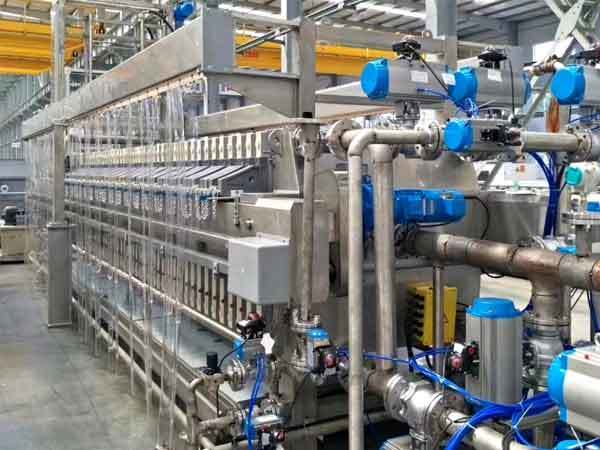
The filter press operates by separating solids from liquids in the effluent. This separation process is crucial for industries that generate considerable amounts of wastewater laden with solid particles, including metals, oils, and other contaminants. The system typically consists of a series of filter plates and frames, which create chambers where the effluent is pumped. As the liquid passes through the filter media, solids are retained, forming a cake that can be disposed of or processed further.
One of the key advantages of using an Industrial Effluent Treatment Filter Press is its high throughput and efficiency. The technology can handle large volumes of wastewater, making it suitable for diverse manufacturing operations. Moreover, the filter press can achieve a high degree of solid-liquid separation, often resulting in a dry cake that reduces disposal costs and environmental impact. This efficiency is critical in meeting regulatory compliance and minimizing the ecological footprint of industrial activities.
Another important aspect of the filter press is its versatility. It can be designed to accommodate various types of effluents, including those from food processing, pharmaceuticals, and mining. This adaptability makes it an invaluable tool for manufacturers looking to meet specific treatment requirements while optimizing their waste management practices.
In addition to its operational benefits, the use of an Industrial Effluent Treatment Filter Press can lead to significant cost savings. By reclaiming water from the treated effluent, industries can reduce their reliance on freshwater resources, thereby lowering overall operational costs. Furthermore, the recovery of valuable materials from the filter cake can open new revenue streams, enhancing the economic viability of waste management processes.
In conclusion, the Industrial Effluent Treatment Filter Press is a critical component in the modern approach to industrial waste management. Its capacity for efficient solid-liquid separation, coupled with its versatility and potential for cost savings, positions it as a leading solution for manufacturers aiming to enhance their environmental sustainability. Adopting this technology not only helps in compliance with environmental regulations but also promotes a more responsible approach to resource management in the manufacturing sector. For professionals in the engineering and manufacturing industries, understanding the benefits and applications of filter press technology is essential for driving sustainable practices and ensuring the long-term viability of their operations.
The filter press operates by separating solids from liquids in the effluent. This separation process is crucial for industries that generate considerable amounts of wastewater laden with solid particles, including metals, oils, and other contaminants. The system typically consists of a series of filter plates and frames, which create chambers where the effluent is pumped. As the liquid passes through the filter media, solids are retained, forming a cake that can be disposed of or processed further.
One of the key advantages of using an Industrial Effluent Treatment Filter Press is its high throughput and efficiency. The technology can handle large volumes of wastewater, making it suitable for diverse manufacturing operations. Moreover, the filter press can achieve a high degree of solid-liquid separation, often resulting in a dry cake that reduces disposal costs and environmental impact. This efficiency is critical in meeting regulatory compliance and minimizing the ecological footprint of industrial activities.
Another important aspect of the filter press is its versatility. It can be designed to accommodate various types of effluents, including those from food processing, pharmaceuticals, and mining. This adaptability makes it an invaluable tool for manufacturers looking to meet specific treatment requirements while optimizing their waste management practices.
In addition to its operational benefits, the use of an Industrial Effluent Treatment Filter Press can lead to significant cost savings. By reclaiming water from the treated effluent, industries can reduce their reliance on freshwater resources, thereby lowering overall operational costs. Furthermore, the recovery of valuable materials from the filter cake can open new revenue streams, enhancing the economic viability of waste management processes.
In conclusion, the Industrial Effluent Treatment Filter Press is a critical component in the modern approach to industrial waste management. Its capacity for efficient solid-liquid separation, coupled with its versatility and potential for cost savings, positions it as a leading solution for manufacturers aiming to enhance their environmental sustainability. Adopting this technology not only helps in compliance with environmental regulations but also promotes a more responsible approach to resource management in the manufacturing sector. For professionals in the engineering and manufacturing industries, understanding the benefits and applications of filter press technology is essential for driving sustainable practices and ensuring the long-term viability of their operations.
RELATED NEWS



Copyright ©
