

The Role of Filter Press Feeding Pumps in Sustainable Manufacturing: A Comprehensive Guide
Time:
Oct 03,2025
The Role of Filter Press Feeding Pumps in Sustainable Manufacturing Table of Contents 1. Introduction to Sustainable Manufacturing 2. What are Filter Press Feeding Pumps? 3. Importance of Filter Press Feeding Pumps in Manufacturing 4. How Filter Press Feeding Pumps Work 5. Environmental Benefits of Using Filter Press Feeding Pumps 6. Cost Efficiency of Filter Press Feeding
The Role of Filter Press Feeding Pumps in Sustainable Manufacturing
Table of Contents
- 1. Introduction to Sustainable Manufacturing
- 2. What are Filter Press Feeding Pumps?
- 3. Importance of Filter Press Feeding Pumps in Manufacturing
- 4. How Filter Press Feeding Pumps Work
- 5. Environmental Benefits of Using Filter Press Feeding Pumps
- 6. Cost Efficiency of Filter Press Feeding Pumps
- 7. Case Studies: Successful Implementations
- 8. Future Trends in Filter Press Technology
- 9. Conclusion
- 10. Frequently Asked Questions (FAQs)
1. Introduction to Sustainable Manufacturing
Sustainable manufacturing is a vital concept in today’s industrial world. It emphasizes producing goods in a way that minimizes waste, conserves energy, and reduces environmental impact. As industries strive to meet these goals, innovative technologies play a crucial role, and among them are **filter press feeding pumps**. These pumps are not just mechanical devices; they are significant contributors to the overall efficiency and sustainability of manufacturing processes.
2. What are Filter Press Feeding Pumps?
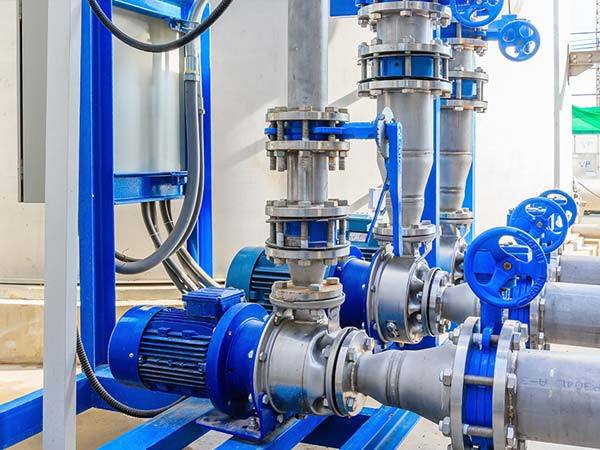
Filter press feeding pumps are specialized pumps used to transfer slurry to a filter press. These pumps are typically designed to handle high solids content and ensure effective pressure for the filtration process. The use of these pumps is prevalent in various industries, including wastewater treatment, mineral processing, and food production.
*Key Features of Filter Press Feeding Pumps:*
- **High Pressure and Low Flow Rates:** Designed for optimizing the filtration process.
- **Durability:** Built to withstand abrasive materials, making them suitable for harsh environments.
- **Versatility:** Effective in various applications, capable of handling different types of slurries.
3. Importance of Filter Press Feeding Pumps in Manufacturing
Understanding the importance of filter press feeding pumps in manufacturing is essential for companies aiming to adopt sustainable practices. These pumps help ensure that the filtration process is efficient and effective, which is vital for reducing waste and improving overall product quality.
*Why Filter Press Feeding Pumps Matter:*
- **Waste Reduction:** By enhancing the separation of solids and liquids, these pumps minimize the volume of waste generated.
- **Improved Resource Utilization:** Better filtration means using fewer resources in the manufacturing process.
- **Enhanced Product Quality:** Effective filtration leads to higher quality final products, reducing the likelihood of returns or rework.
4. How Filter Press Feeding Pumps Work
The functionality of filter press feeding pumps revolves around their ability to transfer slurry under high pressure. The process typically involves the following steps:
1. **Slurry Preparation:** The material is mixed with water to create a slurry.
2. **Pumping the Slurry:** The filter press feeding pump transports the slurry into the filter press.
3. **Filtration Process:** As the slurry enters the filter press, solids are separated from the liquid through the filter cloth.
4. **Cake Formation:** The solid material forms a cake that can be removed for further processing or disposal.
Understanding this process is crucial for manufacturers looking to optimize their operations and reduce environmental impact.
5. Environmental Benefits of Using Filter Press Feeding Pumps
The environmental benefits of filter press feeding pumps are significant. By facilitating effective filtration, these pumps help companies meet regulatory requirements while promoting sustainability.
*Key Environmental Benefits:*
- **Reduction in Water Usage:** Filtration processes can recycle water, decreasing overall consumption.
- **Lower Energy Consumption:** Efficient pumping mechanisms reduce the energy needed for operations.
- **Minimized Pollution:** Effective separation of solids prevents contamination of water sources.
6. Cost Efficiency of Filter Press Feeding Pumps
Investing in filter press feeding pumps can lead to substantial cost savings for manufacturers. While the initial investment may be significant, the long-term benefits can outweigh the costs.
*How Filter Press Feeding Pumps Save Costs:*
- **Lower Maintenance Costs:** Durable construction means less frequent repairs and replacements.
- **Reduced Waste Disposal Fees:** Minimizing waste reduces the costs associated with disposal.
- **Increased Operational Efficiency:** Streamlined processes lead to higher productivity and, therefore, greater profitability.
7. Case Studies: Successful Implementations
Real-world examples of successful filter press feeding pump implementations showcase their effectiveness in various industries.
*Case Study 1: Municipal Wastewater Treatment Plant*
A municipal plant improved its sludge management by implementing a filter press feeding pump, resulting in a 30% reduction in waste volume and significant savings in disposal costs.
*Case Study 2: Mining Industry*
A mining company adopted filter press technology, allowing them to recover more water from tailings, thus reducing their freshwater intake and costs associated with water procurement.
8. Future Trends in Filter Press Technology
The future of filter press feeding pumps is promising, with continuous advancements aiming to enhance performance and sustainability.
*Emerging Trends:*
- **Smart Technology Integration:** The use of IoT and automation for real-time monitoring and control.
- **Eco-friendly Materials:** Development of sustainable materials for pump construction.
- **Advanced Filtration Techniques:** Innovations leading to higher efficiency and lower environmental impact.
9. Conclusion
In summary, filter press feeding pumps play a critical role in achieving sustainable manufacturing. By enhancing filtration processes, these pumps contribute to reduced waste, improved resource efficiency, and overall environmental protection. As industries continue to navigate the challenges of sustainability, the importance of such technologies will only grow. Investing in filter press feeding pumps not only benefits the environment but also enhances operational efficiency and profitability.
10. Frequently Asked Questions (FAQs)
1. What industries utilize filter press feeding pumps?
Various industries, including wastewater treatment, food and beverage, and mining, utilize filter press feeding pumps for efficient slurry management.
2. How do filter press feeding pumps contribute to sustainability?
They reduce waste generation, enhance resource utilization, and minimize environmental pollution through effective filtration.
3. What maintenance is required for filter press feeding pumps?
Regular inspections, cleaning, and monitoring of pump performance are essential for ensuring longevity and efficiency.
4. Can filter press feeding pumps handle abrasive materials?
Yes, these pumps are specifically designed to manage high solids content and abrasive slurries effectively.
5. What are the cost implications of using filter press feeding pumps?
While the initial investment may be high, the long-term savings associated with reduced waste disposal and operational efficiency often outweigh costs.
By understanding and implementing filter press feeding pumps, manufacturers can take significant strides toward sustainability and operational excellence.
RELATED NEWS



Copyright ©
