

Optimizing Kaolin Clay Dewatering with Advanced Filter Press Technology
Time:
Nov 07,2025
Kaolin clay, a crucial material in various industries such as ceramics, paper, and paints, requires efficient dewatering processes to enhance its usability and quality. The dewatering of Kaolin clay is primarily accomplished through the use of filter presses, which play a vital role in eliminating excess moisture from the slurry. This article delves into the functionality and advantages of Kaolin
Kaolin clay, a crucial material in various industries such as ceramics, paper, and paints, requires efficient dewatering processes to enhance its usability and quality. The dewatering of Kaolin clay is primarily accomplished through the use of filter presses, which play a vital role in eliminating excess moisture from the slurry. This article delves into the functionality and advantages of Kaolin Clay dewatering filter presses, providing insights into their operation and benefits in manufacturing processes.
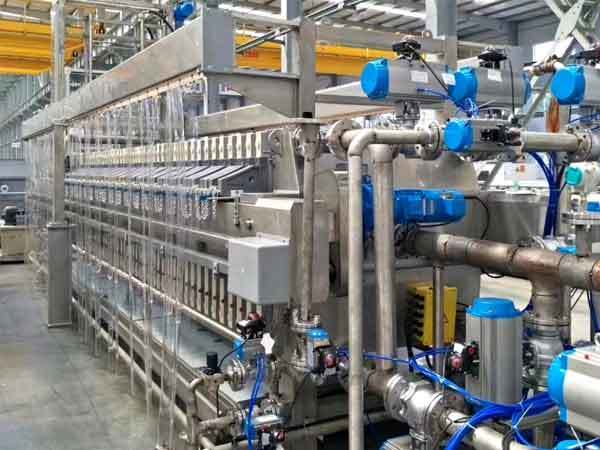
Filter presses for Kaolin Clay dewatering function by applying pressure to a slurry mixture, forcing the liquid through a filter medium while retaining the solid particles. This method not only significantly reduces the moisture content but also helps in recovering valuable materials that might otherwise be lost during processing. The design of these filter presses is critical; they often incorporate a series of plates and frames, creating chambers where the slurry is held during the dewatering cycle.
One of the key advantages of using advanced filter presses for Kaolin Clay dewatering is their efficiency. These machines can achieve high solids concentration, which is essential for producing high-quality clay products. By utilizing a filter press, manufacturers can minimize the energy and operational costs associated with traditional drying methods. Furthermore, the process is more environmentally friendly, as it reduces water waste and promotes the recycling of wastewater.
The automation of filter presses has further enhanced their capabilities, allowing for precise control over the dewatering process. Operators can monitor various parameters such as pressure, flow rate, and cycle times, ensuring optimal performance and consistency in the final product. This level of control is particularly beneficial in industries where the quality of the clay is paramount, as it enables manufacturers to meet stringent quality standards.
Additionally, the use of Kaolin Clay dewatering filter presses supports sustainability initiatives within the manufacturing sector. By efficiently removing moisture and recovering water for reuse, businesses can reduce their overall water consumption and minimize their environmental footprint. This aligns with the growing emphasis on sustainable practices in industrial operations, making filter presses a valuable asset in eco-conscious manufacturing.
In conclusion, Kaolin Clay dewatering filter presses are indispensable tools in the manufacturing processing of this versatile material. Their ability to efficiently remove moisture, coupled with advancements in automation and control, positions them as a critical component in modern manufacturing. As industries continue to prioritize efficiency and sustainability, the role of these filter presses will only become more significant, ultimately leading to improved production outcomes and resource management.
Filter presses for Kaolin Clay dewatering function by applying pressure to a slurry mixture, forcing the liquid through a filter medium while retaining the solid particles. This method not only significantly reduces the moisture content but also helps in recovering valuable materials that might otherwise be lost during processing. The design of these filter presses is critical; they often incorporate a series of plates and frames, creating chambers where the slurry is held during the dewatering cycle.
One of the key advantages of using advanced filter presses for Kaolin Clay dewatering is their efficiency. These machines can achieve high solids concentration, which is essential for producing high-quality clay products. By utilizing a filter press, manufacturers can minimize the energy and operational costs associated with traditional drying methods. Furthermore, the process is more environmentally friendly, as it reduces water waste and promotes the recycling of wastewater.
The automation of filter presses has further enhanced their capabilities, allowing for precise control over the dewatering process. Operators can monitor various parameters such as pressure, flow rate, and cycle times, ensuring optimal performance and consistency in the final product. This level of control is particularly beneficial in industries where the quality of the clay is paramount, as it enables manufacturers to meet stringent quality standards.
Additionally, the use of Kaolin Clay dewatering filter presses supports sustainability initiatives within the manufacturing sector. By efficiently removing moisture and recovering water for reuse, businesses can reduce their overall water consumption and minimize their environmental footprint. This aligns with the growing emphasis on sustainable practices in industrial operations, making filter presses a valuable asset in eco-conscious manufacturing.
In conclusion, Kaolin Clay dewatering filter presses are indispensable tools in the manufacturing processing of this versatile material. Their ability to efficiently remove moisture, coupled with advancements in automation and control, positions them as a critical component in modern manufacturing. As industries continue to prioritize efficiency and sustainability, the role of these filter presses will only become more significant, ultimately leading to improved production outcomes and resource management.
RELATED NEWS



Copyright ©
