

Why Your Construction Site Needs a Dewatering Filter Press: The Ultimate Guide for Efficient Water Management
Time:
Dec 26,2025
Why Your Construction Site Needs a Dewatering Filter Press Understanding Dewatering in Construction In the construction industry, **water management** is not just a regulatory requirement; it is a vital aspect that directly impacts project timelines and costs. Dewatering involves the removal of water from the construction site, which can be crucial for ensuring a safe and stable environment for wo
Why Your Construction Site Needs a Dewatering Filter Press
Understanding Dewatering in Construction
In the construction industry, **water management** is not just a regulatory requirement; it is a vital aspect that directly impacts project timelines and costs. Dewatering involves the removal of water from the construction site, which can be crucial for ensuring a safe and stable environment for workers and machinery.
The Importance of Dewatering in Construction Projects
Dewatering is essential for various reasons:
1. **Safety**: Excess water can create hazardous conditions, increasing the risk of accidents.
2. **Site Stability**: High water levels can lead to soil instability, risking structural integrity.
3. **Efficient Work Progress**: A dry site allows for uninterrupted construction activities, helping to meet project deadlines.
What is a Dewatering Filter Press?
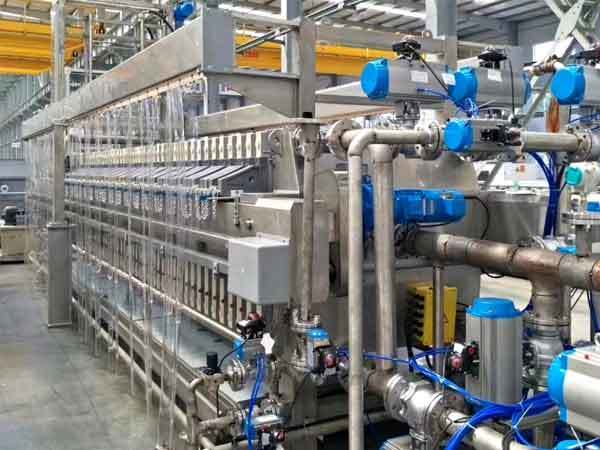
A **dewatering filter press** is a sophisticated piece of machinery designed to remove excess water from slurries, suspensions, and other materials. It operates by applying pressure to the material to expedite the dewatering process, resulting in a dryer product that is easier to manage.
How Does a Dewatering Filter Press Work?
The operation of a dewatering filter press can be broken down into several key steps:
1. **Feeding**: The slurry is introduced into the filter press.
2. **Filtration**: The press applies pressure, forcing water through a filter medium while retaining solid particles.
3. **Cake Formation**: Solid material accumulates in the filter, forming a "cake" that is easily removable.
4. **Drying**: Additional pressure may be applied to extract more moisture, resulting in a dryer cake.
Benefits of Using a Dewatering Filter Press
Utilizing a dewatering filter press on your construction site offers numerous advantages:
1. Enhanced Water Management
A dewatering filter press effectively reduces the volume of water on site, promoting a safer working environment. This helps in regulatory compliance regarding water discharge and prevents flooding.
2. Cost Efficiency
By minimizing water-related delays and issues, dewatering filter presses save time and money. The reduced need for excess pump systems and hired labor further cuts costs.
3. Environmental Compliance
Properly managed water discharge ensures compliance with local environmental regulations. Dewatering filter presses reduce the risk of contaminating local water sources.
4. Improved Site Productivity
With a drier site, construction can proceed without interruptions. This leads to timely project completion and increased productivity overall.
5. Quality of Construction
The quality of the final product is enhanced by effective water management. A stable construction environment minimizes risks associated with soil erosion and foundation issues.
Applications of Dewatering Filter Presses in Construction
Dewatering filter presses are versatile machines used in various construction applications, including:
Excavation Sites
In excavation projects, groundwater can pose significant challenges. A dewatering filter press helps manage this water, allowing for safe digging and structural work.
Road and Highway Construction
During road construction, excess water can hinder the laying of asphalt and other materials. A dewatering filter press ensures a dry surface for optimal adhesion and stability.
Foundation Work
When laying foundations, the presence of water can weaken the soil structure. Utilizing a dewatering filter press helps achieve a safe and stable foundation.
Site Remediation
In contaminated sites, dewatering filter presses help manage and treat water, making the site safer for construction and future use.
Choosing the Right Dewatering Filter Press for Your Project
Selecting the right dewatering filter press involves considering several factors:
1. Size and Capacity
Evaluate the size of your project and the volume of water to be managed. Ensure the machine can handle the expected load efficiently.
2. Filtration Media
The type of filtration media affects the efficiency of water removal. Research different options to find the most suitable one for your materials.
3. Automation Features
Modern dewatering filter presses come with automation features that enhance efficiency. Look for options that offer automated operation for reduced labor costs.
4. Maintenance Requirements
Consider the maintenance needs of the equipment. Opt for machines that are easy to maintain and operate, reducing downtime.
Cost Considerations for Dewatering Filter Presses
While investing in a dewatering filter press can appear costly upfront, the long-term savings often outweigh initial expenses. Here are key cost considerations:
1. Purchase vs. Rental
Evaluate whether to purchase or rent a dewatering filter press based on project duration and water management needs. Renting might be more cost-effective for short-term projects.
2. Operating Costs
Consider the operating costs, including energy consumption, labor, and maintenance. Choose a model that offers efficiency to keep these costs low.
3. Long-Term Savings
The efficiency and reliability of a dewatering filter press can lead to substantial savings in labor and project delay costs, making it a worthwhile investment.
Best Practices for Operating a Dewatering Filter Press
To maximize the benefits of a dewatering filter press, follow these best practices:
1. Regular Maintenance
Conduct regular maintenance checks to ensure the filter press operates efficiently, reducing wear and tear.
2. Monitor Performance
Keep track of the machine's performance and water removal efficiency to identify potential issues early.
3. Train Operators
Ensure that operators are well-trained on the equipment's use and maintenance procedures. Proper training reduces the risk of accidents and equipment damage.
4. Optimize Slurry Composition
Adjust the slurry composition to ensure optimal results. The right balance of solids and water improves filtration efficiency.
Frequently Asked Questions (FAQs)
1. What is the primary function of a dewatering filter press?
The primary function of a dewatering filter press is to remove excess water from slurries and suspensions, producing a dryer cake for easier management.
2. How does a dewatering filter press improve site safety?
By removing excess water, a dewatering filter press reduces the risk of flooding and slippery conditions, thereby enhancing site safety.
3. What types of materials can be processed with a dewatering filter press?
A dewatering filter press can process various materials, including soil, sludge, and industrial waste, depending on specific site requirements.
4. How often should maintenance be performed on a dewatering filter press?
Regular maintenance should be performed according to the manufacturer's guidelines, typically involving checks every few months or after significant use.
5. Can dewatering filter presses be rented?
Yes, many companies offer rental options for dewatering filter presses, which can be a cost-effective solution for short-term projects.
Conclusion
In conclusion, the importance of a **dewatering filter press** on a construction site cannot be overstated. From enhancing safety and productivity to ensuring environmental compliance, these machines play a vital role in effective water management. By choosing the right equipment and adhering to best practices, construction companies can optimize their operations while contributing to a safer and more sustainable work environment. Investing in a dewatering filter press is not merely a cost; it is an investment in the future success and efficiency of construction projects.
RELATED NEWS



Copyright ©
