

Enhancing Efficiency in Wastewater Management: The Role of Municipal Sludge Dewatering Filter Press
Time:
Jan 02,2026
Municipal sludge dewatering filter presses are vital components in the wastewater treatment process, specifically designed to reduce the volume of sludge generated by municipal wastewater treatment facilities. By utilizing mechanical force and filtration technology, these machines facilitate the separation of water from solid waste, creating a drier and more manageable byproduct. The operation of
Municipal sludge dewatering filter presses are vital components in the wastewater treatment process, specifically designed to reduce the volume of sludge generated by municipal wastewater treatment facilities. By utilizing mechanical force and filtration technology, these machines facilitate the separation of water from solid waste, creating a drier and more manageable byproduct.
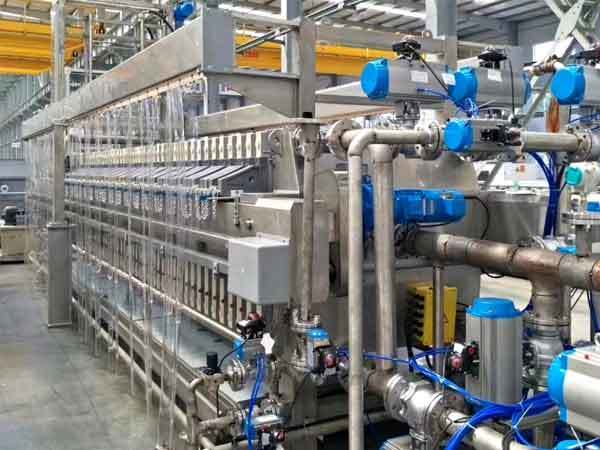
The operation of a municipal sludge dewatering filter press typically involves several key steps. Initially, the sludge is pretreated to optimize flocculation, ensuring that solid particles aggregate effectively. Following this, the prepared sludge is pumped into the filter press, where it enters a series of filter plates. As hydraulic pressure is applied, water is expelled from the sludge, leaving behind a solid cake that can be further processed or disposed of more efficiently.
One of the primary advantages of using a municipal sludge dewatering filter press is the significant reduction in the volume of sludge. This not only decreases transportation and disposal costs but also minimizes the environmental footprint associated with sludge handling. In addition, the technology allows for the recovery of valuable resources such as biogas, which can be harnessed for energy production, contributing to a circular economy model.
Furthermore, the operational efficiency of these filter presses can be enhanced through automation and real-time monitoring systems. By integrating advanced sensors and controls, operators can optimize the dewatering process, adjusting parameters based on the characteristics of the incoming sludge. This level of precision can lead to improved cake dryness and reduced moisture content, further increasing the economic viability of the operation.
In terms of maintenance, municipal sludge dewatering filter presses are designed for durability and reliability. Regular inspections and maintenance routines can help ensure optimal performance, reducing downtime and the need for costly repairs. Additionally, advancements in materials and technology continue to improve the longevity and efficiency of these machines.
In summary, municipal sludge dewatering filter presses play a crucial role in modern wastewater management. Their ability to efficiently separate water from solid waste not only supports compliance with environmental regulations but also promotes sustainable practices within the municipal sector. With ongoing innovations and improvements in technology, these systems will continue to be essential for municipalities seeking effective solutions for sludge management and resource recovery.
The operation of a municipal sludge dewatering filter press typically involves several key steps. Initially, the sludge is pretreated to optimize flocculation, ensuring that solid particles aggregate effectively. Following this, the prepared sludge is pumped into the filter press, where it enters a series of filter plates. As hydraulic pressure is applied, water is expelled from the sludge, leaving behind a solid cake that can be further processed or disposed of more efficiently.
One of the primary advantages of using a municipal sludge dewatering filter press is the significant reduction in the volume of sludge. This not only decreases transportation and disposal costs but also minimizes the environmental footprint associated with sludge handling. In addition, the technology allows for the recovery of valuable resources such as biogas, which can be harnessed for energy production, contributing to a circular economy model.
Furthermore, the operational efficiency of these filter presses can be enhanced through automation and real-time monitoring systems. By integrating advanced sensors and controls, operators can optimize the dewatering process, adjusting parameters based on the characteristics of the incoming sludge. This level of precision can lead to improved cake dryness and reduced moisture content, further increasing the economic viability of the operation.
In terms of maintenance, municipal sludge dewatering filter presses are designed for durability and reliability. Regular inspections and maintenance routines can help ensure optimal performance, reducing downtime and the need for costly repairs. Additionally, advancements in materials and technology continue to improve the longevity and efficiency of these machines.
In summary, municipal sludge dewatering filter presses play a crucial role in modern wastewater management. Their ability to efficiently separate water from solid waste not only supports compliance with environmental regulations but also promotes sustainable practices within the municipal sector. With ongoing innovations and improvements in technology, these systems will continue to be essential for municipalities seeking effective solutions for sludge management and resource recovery.
RELATED NEWS



Copyright ©
