

Understanding Stainless Steel Filter Press: A Key Solution for Municipal and Environmental Applications
Time:
Jan 30,2026
In the field of manufacturing and processing machinery, particularly for municipal and environmental sanitation applications, the stainless steel filter press stands out as an essential tool. This equipment is primarily used for solid-liquid separation, making it invaluable in various sectors, including wastewater treatment, food processing, and chemical production. A stainless steel filter press
In the field of manufacturing and processing machinery, particularly for municipal and environmental sanitation applications, the stainless steel filter press stands out as an essential tool. This equipment is primarily used for solid-liquid separation, making it invaluable in various sectors, including wastewater treatment, food processing, and chemical production.
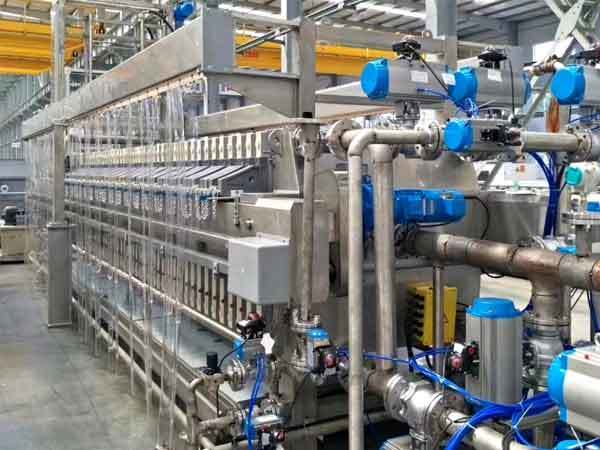
A stainless steel filter press operates on a straightforward yet effective principle. It consists of a series of filter plates arranged in a frame. The system works by pumping a slurry into the press, where it is trapped between the filter plates. As pressure builds, the liquid is forced through the filter media, leaving the solid material, or cake, behind. The stainless steel construction enhances durability and resistance to corrosion, making it suitable for handling aggressive chemicals and high-temperature applications.
One of the key advantages of a stainless steel filter press is its efficiency in separating solids from liquids. This efficiency not only leads to cleaner effluent but also allows for the recovery of valuable resources from the waste stream. In municipal applications, for instance, the use of a stainless steel filter press can significantly reduce the volume of sludge needing disposal, thus lowering operational costs and environmental impact.
Moreover, stainless steel filter presses are designed for easy maintenance and operation. Their robust construction minimizes wear and tear, reducing downtime due to repairs. Additionally, many modern filter presses come equipped with automated systems, enhancing their usability and efficiency. These features make them attractive options for facilities looking to improve their operational performance and sustainability metrics.
In engineering and construction machinery, the choice of materials significantly influences performance and longevity. Stainless steel, known for its strength and resistance to corrosion, is a superior choice for filter presses compared to traditional materials. This not only extends the lifespan of the equipment but also ensures it can withstand the rigors of demanding processing environments.
When selecting a stainless steel filter press, it is crucial to consider factors such as the specific application, the required filtration capacity, and the type of slurry being processed. Understanding these parameters will help in choosing the right model to meet operational needs effectively.
In conclusion, the stainless steel filter press plays a vital role in enhancing the efficiency and sustainability of municipal and environmental sanitation processes. Its robust design, operational efficiency, and long service life make it an indispensable component in modern engineering and construction machinery. As industries continue to focus on improving waste management practices, the adoption of advanced filtration technologies like stainless steel filter presses will undoubtedly become more prevalent.
A stainless steel filter press operates on a straightforward yet effective principle. It consists of a series of filter plates arranged in a frame. The system works by pumping a slurry into the press, where it is trapped between the filter plates. As pressure builds, the liquid is forced through the filter media, leaving the solid material, or cake, behind. The stainless steel construction enhances durability and resistance to corrosion, making it suitable for handling aggressive chemicals and high-temperature applications.
One of the key advantages of a stainless steel filter press is its efficiency in separating solids from liquids. This efficiency not only leads to cleaner effluent but also allows for the recovery of valuable resources from the waste stream. In municipal applications, for instance, the use of a stainless steel filter press can significantly reduce the volume of sludge needing disposal, thus lowering operational costs and environmental impact.
Moreover, stainless steel filter presses are designed for easy maintenance and operation. Their robust construction minimizes wear and tear, reducing downtime due to repairs. Additionally, many modern filter presses come equipped with automated systems, enhancing their usability and efficiency. These features make them attractive options for facilities looking to improve their operational performance and sustainability metrics.
In engineering and construction machinery, the choice of materials significantly influences performance and longevity. Stainless steel, known for its strength and resistance to corrosion, is a superior choice for filter presses compared to traditional materials. This not only extends the lifespan of the equipment but also ensures it can withstand the rigors of demanding processing environments.
When selecting a stainless steel filter press, it is crucial to consider factors such as the specific application, the required filtration capacity, and the type of slurry being processed. Understanding these parameters will help in choosing the right model to meet operational needs effectively.
In conclusion, the stainless steel filter press plays a vital role in enhancing the efficiency and sustainability of municipal and environmental sanitation processes. Its robust design, operational efficiency, and long service life make it an indispensable component in modern engineering and construction machinery. As industries continue to focus on improving waste management practices, the adoption of advanced filtration technologies like stainless steel filter presses will undoubtedly become more prevalent.
RELATED NEWS



Copyright ©
