

Essential Insights into Industrial Effluent Treatment Filter Press Systems
Time:
Feb 13,2026
Industrial Effluent Treatment Filter Press systems play a vital role in managing wastewater produced by manufacturing processes. These systems are designed to efficiently separate solids from liquids, thereby extracting valuable materials and minimizing environmental impact. The filter press operates through a series of plates and frames that create a chamber for wastewater treatment. As the efflu
Industrial Effluent Treatment Filter Press systems play a vital role in managing wastewater produced by manufacturing processes. These systems are designed to efficiently separate solids from liquids, thereby extracting valuable materials and minimizing environmental impact. The filter press operates through a series of plates and frames that create a chamber for wastewater treatment. As the effluent is pumped into the press, pressure is applied to facilitate the filtration process, enabling solid waste to be captured while allowing clean water to pass through.
One of the key advantages of using a filter press in industrial effluent treatment is its ability to produce a drier cake of solid waste. This is particularly beneficial for industries where the disposal of sludge can be both costly and environmentally challenging. The reduced volume of waste not only lowers disposal costs but also enhances the feasibility of recycling or repurposing the solid materials extracted during the process.
Furthermore, filter presses are highly versatile and can be tailored to meet specific operational requirements. They can handle a wide range of effluents, including those with high solid content, oily substances, and various chemical compositions. This adaptability makes them suitable for diverse applications across manufacturing, construction, and environmental sanitation sectors.
In addition to their operational efficiency, filter presses contribute significantly to compliance with regulatory standards for wastewater discharge. By ensuring that treated effluent meets the required quality criteria, industries can avoid penalties and promote sustainable practices. Regular maintenance and proper operation of the filter press are crucial for maximizing its lifespan and effectiveness. Routine checks, such as monitoring pressure levels and inspecting filter cloths, ensure optimal performance and reduce the risk of downtime.
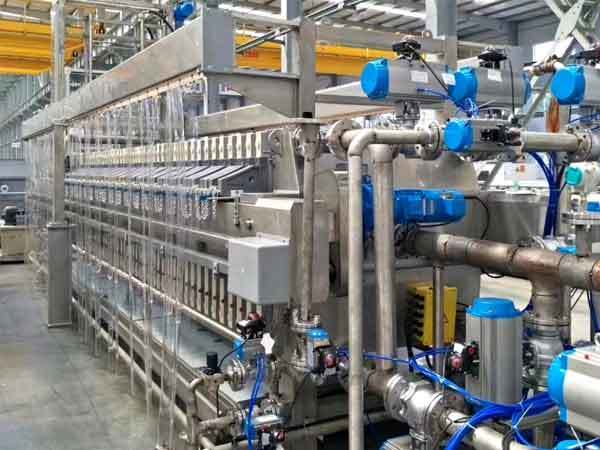
Moreover, advancements in technology have led to the development of automated filter press systems, which further enhance efficiency and reduce labor costs. These systems often incorporate sensors and control systems that monitor the filtration process in real-time, allowing for quick adjustments and improved operational management.
In conclusion, the Industrial Effluent Treatment Filter Press is an indispensable tool in the quest for sustainable manufacturing practices. By effectively managing wastewater, these systems not only protect the environment but also contribute to cost savings and regulatory compliance. For professionals in the manufacturing and environmental sanitation sectors, understanding the intricacies of filter press systems is essential for driving innovation and efficiency in effluent treatment processes.
One of the key advantages of using a filter press in industrial effluent treatment is its ability to produce a drier cake of solid waste. This is particularly beneficial for industries where the disposal of sludge can be both costly and environmentally challenging. The reduced volume of waste not only lowers disposal costs but also enhances the feasibility of recycling or repurposing the solid materials extracted during the process.
Furthermore, filter presses are highly versatile and can be tailored to meet specific operational requirements. They can handle a wide range of effluents, including those with high solid content, oily substances, and various chemical compositions. This adaptability makes them suitable for diverse applications across manufacturing, construction, and environmental sanitation sectors.
In addition to their operational efficiency, filter presses contribute significantly to compliance with regulatory standards for wastewater discharge. By ensuring that treated effluent meets the required quality criteria, industries can avoid penalties and promote sustainable practices. Regular maintenance and proper operation of the filter press are crucial for maximizing its lifespan and effectiveness. Routine checks, such as monitoring pressure levels and inspecting filter cloths, ensure optimal performance and reduce the risk of downtime.
Moreover, advancements in technology have led to the development of automated filter press systems, which further enhance efficiency and reduce labor costs. These systems often incorporate sensors and control systems that monitor the filtration process in real-time, allowing for quick adjustments and improved operational management.
In conclusion, the Industrial Effluent Treatment Filter Press is an indispensable tool in the quest for sustainable manufacturing practices. By effectively managing wastewater, these systems not only protect the environment but also contribute to cost savings and regulatory compliance. For professionals in the manufacturing and environmental sanitation sectors, understanding the intricacies of filter press systems is essential for driving innovation and efficiency in effluent treatment processes.
RELATED NEWS



Copyright ©
