
Step-by-Step Guide to Operating a Dewatering Filter Press Effectively
Time:
Mar 06,2026
Step-by-Step Guide to Operating a Dewatering Filter Press Effectively Table of Contents 1. Understanding Dewatering Filter Presses 2. Components of a Dewatering Filter Press 3. Preparing for Operation 3.1 Safety Precautions 3.2 Equipment Inspection 4. Step-by-Step Operation Process 4.1 Setting U
Step-by-Step Guide to Operating a Dewatering Filter Press Effectively
Table of Contents
- 1. Understanding Dewatering Filter Presses
- 2. Components of a Dewatering Filter Press
- 3. Preparing for Operation
- 3.1 Safety Precautions
- 3.2 Equipment Inspection
- 4. Step-by-Step Operation Process
- 4.1 Setting Up the Dewatering Filter Press
- 4.2 Feeding the Sludge
- 4.3 Activating the Dewatering Cycle
- 4.4 Monitoring and Adjusting Parameters
- 5. Post-Operation Procedures
- 5.1 Cleaning the Equipment
- 5.2 Maintenance Tips
- 6. Troubleshooting Common Issues
- 7. Frequently Asked Questions (FAQs)
- 8. Conclusion
1. Understanding Dewatering Filter Presses
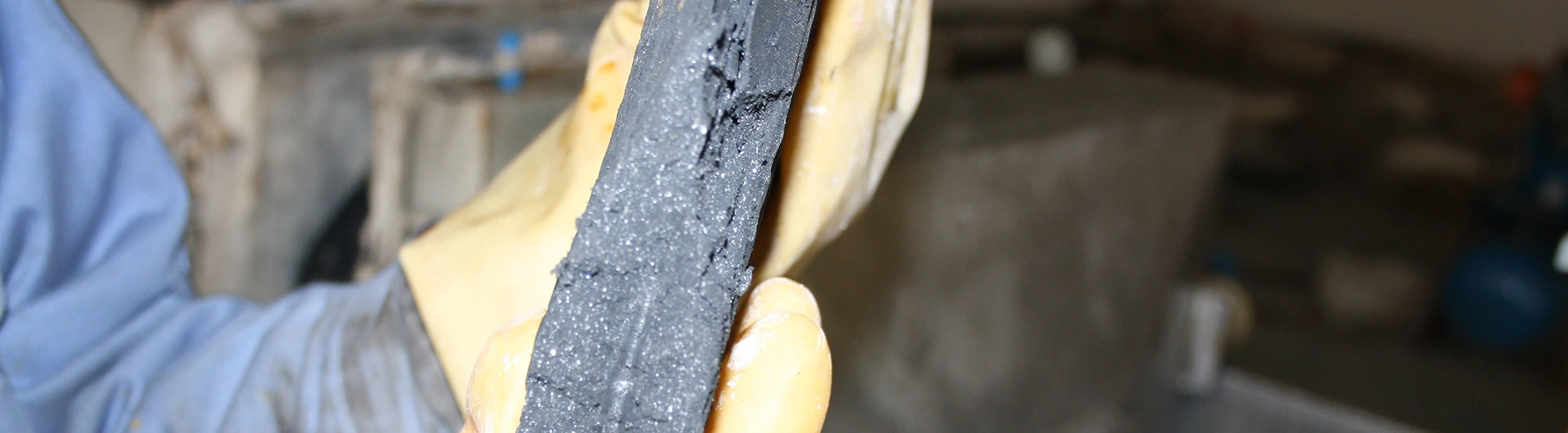
Dewatering filter presses are essential machinery used in various industries for separating liquids from solids. These machines play a critical role in wastewater treatment, enabling the efficient handling of sludge generated in manufacturing, construction, and municipal operations. The process involves applying pressure to a slurry (mixture of solid and liquid) to extract water, resulting in a dry cake of solids that can be easily disposed of or reused.
When operated effectively, a dewatering filter press improves efficiency, reduces operational costs, and minimizes environmental impact. Understanding the fundamental workings of these machines is crucial for anyone involved in their operation.
2. Components of a Dewatering Filter Press
A dewatering filter press comprises several key components that work together to achieve efficient dewatering:
2.1 Filter Plates
The filter plates are the primary elements where the separation of solids from liquids occurs. They are usually made from high-quality materials, such as polypropylene, to withstand harsh conditions.
2.2 Frame
The frame supports the filter plates and maintains the necessary pressure during the filtration process. The strength and durability of the frame are critical to the overall performance of the machine.
2.3 Hydraulic System
The hydraulic system applies pressure to the filter plates, ensuring effective compaction of the cake formed during the filtration process. This system requires regular maintenance to ensure optimal functionality.
2.4 Control Panel
The control panel allows operators to monitor and adjust the operational parameters of the dewatering filter press. It typically includes gauges for pressure, flow rate, and other vital statistics.
3. Preparing for Operation
Before operating a dewatering filter press, certain preparations are essential to ensure safety and efficiency.
3.1 Safety Precautions
Safety must always be a priority when operating heavy machinery. Operators should wear appropriate personal protective equipment (PPE), including gloves, safety glasses, and hard hats. Familiarize yourself with the machine's safety protocols and emergency shutdown procedures.
3.2 Equipment Inspection
Conduct a thorough inspection of the dewatering filter press. Ensure that all components are in good working condition, with no signs of wear or damage. Check hydraulic fluid levels and connections to prevent leaks during operation.
4. Step-by-Step Operation Process
Once the preparation phase is complete, follow these detailed steps for operating a dewatering filter press effectively.
4.1 Setting Up the Dewatering Filter Press
Begin by properly positioning the dewatering filter press, ensuring it is level and supported. Connect necessary hoses and piping for inflow and outflow, and verify that all connections are secure.
4.2 Feeding the Sludge
Introduce the sludge into the dewatering filter press. Ensure the slurry is properly mixed and has the right consistency for optimal dewatering. Monitor the feeding rate to prevent overloading the machine.
4.3 Activating the Dewatering Cycle
Once the sludge is loaded, activate the dewatering cycle using the control panel. The hydraulic system will apply pressure to the filter plates, causing the water to be expelled and solid cake formation to begin.
4.4 Monitoring and Adjusting Parameters
During the dewatering process, continuously monitor key parameters such as pressure, flow rate, and cake thickness. Adjust these parameters as necessary to optimize performance and ensure efficient water removal.
5. Post-Operation Procedures
After the dewatering cycle is complete, it's crucial to follow proper post-operation procedures to maintain the equipment and prepare for future use.
5.1 Cleaning the Equipment
Thoroughly clean the filter plates and other components to prevent residue buildup, which can affect future operations. Use appropriate cleaning agents and follow manufacturer recommendations for effective cleaning.
5.2 Maintenance Tips
Regular maintenance is vital for the longevity of a dewatering filter press. Schedule routine inspections, lubricate moving parts, and replace worn components as necessary. Keeping a maintenance log can help track service history and identify recurring issues.
6. Troubleshooting Common Issues
Despite proper operation, issues may arise during the use of a dewatering filter press. Here are common problems and their solutions:
6.1 Low Cake Solids Content
If the cake produced has a low solids content, check the sludge feeding rate. An improper slurry consistency may require adjustment.
6.2 Excessive Hydraulic Pressure
Excessive pressure can lead to equipment failure. Monitor pressure readings diligently and consult the manual for pressure limits. Regular inspection of the hydraulic system can prevent such occurrences.
6.3 Leaking Fluid
Fluid leaks can indicate worn seals or loose connections. Inspect the hydraulic system for leaks and replace any faulty seals promptly.
7. Frequently Asked Questions (FAQs)
7.1 What is the average cycle time for a dewatering filter press?
The average cycle time varies based on sludge type and machine specifications but typically ranges from 1 to 3 hours.
7.2 How do I know when the cake is ready for discharge?
Monitor the cake thickness and dryness. A well-formed cake will be firm and easily release from the plates when the pressure is released.
7.3 Can I use a dewatering filter press for different types of sludge?
Yes, dewatering filter presses can handle various sludge types. However, adjusting operational parameters is often necessary to optimize performance for different materials.
7.4 What maintenance is required for a dewatering filter press?
Regular maintenance includes inspecting hydraulic seals, cleaning filter plates, lubrication, and periodic checks of the control system and all connections.
7.5 How can I improve the efficiency of my dewatering filter press?
Improving efficiency can often be achieved by optimizing feed consistency, regularly maintaining the equipment, and continually monitoring operational parameters to make timely adjustments.
8. Conclusion
Operating a dewatering filter press effectively is not only vital for optimal performance but also essential for ensuring the longevity of the equipment and the reduction of operational costs. By following this step-by-step guide, understanding the components, and adhering to maintenance and safety protocols, operators can achieve maximum efficiency in dewatering sludge. Staying informed about common issues and solutions further enhances the operational success of dewatering filter presses, making them one of the most effective tools in wastewater management and environmental protection.
RELATED NEWS



Copyright ©
