

Understanding Municipal Sludge Dewatering Filter Press: A Vital Component in Wastewater Management
Time:
Mar 13,2026
Municipal sludge dewatering filter presses are specialized machines designed to enhance the efficiency of wastewater treatment processes. As urban areas grow and the demand for effective waste management increases, the importance of these machines cannot be overstated. They play a critical role in reducing the volume of sewage sludge, which is a byproduct of wastewater treatment processes. The pri
Municipal sludge dewatering filter presses are specialized machines designed to enhance the efficiency of wastewater treatment processes. As urban areas grow and the demand for effective waste management increases, the importance of these machines cannot be overstated. They play a critical role in reducing the volume of sewage sludge, which is a byproduct of wastewater treatment processes.
The primary function of a municipal sludge dewatering filter press is to separate water from solid waste. During wastewater treatment, organic and inorganic materials are removed, but some solids remain. These solids, known as sludge, can pose challenges for disposal if not properly managed. The filter press uses mechanical pressure to squeeze water out of the sludge, resulting in a drier and more manageable solid waste. This process significantly reduces the volume of sludge, which can lower transportation and landfill costs, making waste management more economically viable.
One of the key benefits of using a municipal sludge dewatering filter press is its contribution to environmental sustainability. By reducing the volume of sludge, these machines facilitate better waste management practices, minimizing the environmental impact of landfills. Additionally, the drier sludge produced can be repurposed for various applications, such as soil enhancement or energy production, further promoting the circular economy.
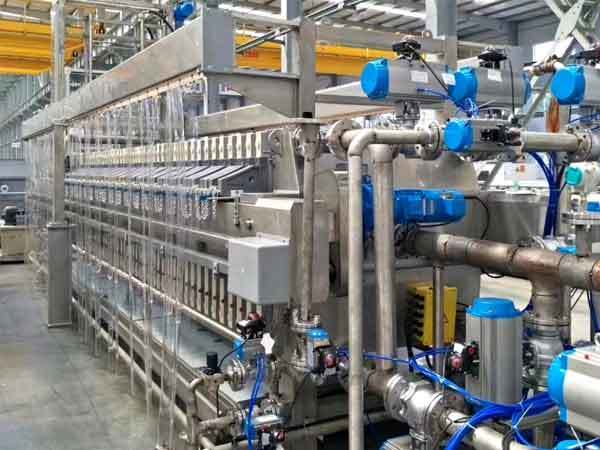
The operation of a filter press involves several steps. Initially, the sludge is pumped into the press, where it is evenly distributed across filter plates. As the press closes, hydraulic pressure is applied, forcing the excess water out through the filter media. This results in the formation of a cake of solid sludge between the plates. The entire process is efficient, allowing for continuous operation and minimal downtime, which is essential for municipal wastewater treatment facilities that need to manage large volumes of sludge daily.
Moreover, advancements in technology have led to the development of more efficient and automated municipal sludge dewatering filter presses. Modern designs incorporate intelligent control systems that optimize the dewatering process, ensuring consistent performance and reduced energy consumption. This technological evolution helps wastewater treatment facilities meet stringent regulatory standards while improving operational efficiency.
In summary, municipal sludge dewatering filter presses are indispensable in the realm of wastewater management. They not only help in reducing sludge volume but also contribute to sustainable waste practices and environmental protection. As cities continue to expand, embracing such technologies will be essential in ensuring that municipal waste is managed effectively, paving the way for a cleaner and healthier future.
The primary function of a municipal sludge dewatering filter press is to separate water from solid waste. During wastewater treatment, organic and inorganic materials are removed, but some solids remain. These solids, known as sludge, can pose challenges for disposal if not properly managed. The filter press uses mechanical pressure to squeeze water out of the sludge, resulting in a drier and more manageable solid waste. This process significantly reduces the volume of sludge, which can lower transportation and landfill costs, making waste management more economically viable.
One of the key benefits of using a municipal sludge dewatering filter press is its contribution to environmental sustainability. By reducing the volume of sludge, these machines facilitate better waste management practices, minimizing the environmental impact of landfills. Additionally, the drier sludge produced can be repurposed for various applications, such as soil enhancement or energy production, further promoting the circular economy.
The operation of a filter press involves several steps. Initially, the sludge is pumped into the press, where it is evenly distributed across filter plates. As the press closes, hydraulic pressure is applied, forcing the excess water out through the filter media. This results in the formation of a cake of solid sludge between the plates. The entire process is efficient, allowing for continuous operation and minimal downtime, which is essential for municipal wastewater treatment facilities that need to manage large volumes of sludge daily.
Moreover, advancements in technology have led to the development of more efficient and automated municipal sludge dewatering filter presses. Modern designs incorporate intelligent control systems that optimize the dewatering process, ensuring consistent performance and reduced energy consumption. This technological evolution helps wastewater treatment facilities meet stringent regulatory standards while improving operational efficiency.
In summary, municipal sludge dewatering filter presses are indispensable in the realm of wastewater management. They not only help in reducing sludge volume but also contribute to sustainable waste practices and environmental protection. As cities continue to expand, embracing such technologies will be essential in ensuring that municipal waste is managed effectively, paving the way for a cleaner and healthier future.
RELATED NEWS



Copyright ©
