

Exploring the Benefits and Functionality of Stainless Steel Filter Presses in Environmental Engineering
Time:
Apr 10,2026
Stainless steel filter presses are pivotal in various industrial applications where solid-liquid separation is crucial. These machines utilize a series of filter plates and frames to separate liquids from solids, making them invaluable in sectors such as wastewater treatment, food processing, and chemical manufacturing. One of the standout features of stainless steel filter presses is their durabi
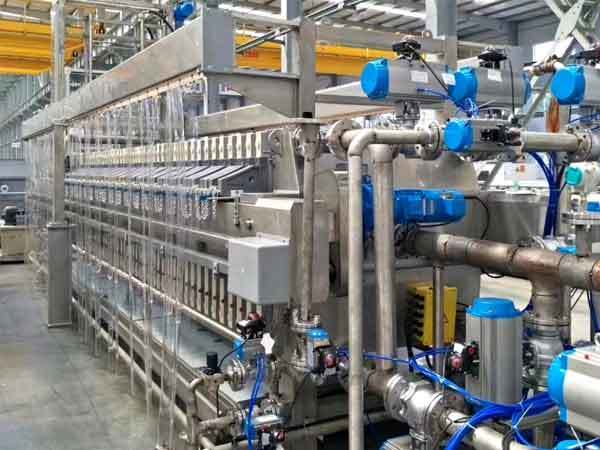
Stainless steel filter presses are pivotal in various industrial applications where solid-liquid separation is crucial. These machines utilize a series of filter plates and frames to separate liquids from solids, making them invaluable in sectors such as wastewater treatment, food processing, and chemical manufacturing. One of the standout features of stainless steel filter presses is their durability and corrosion resistance, which ensures a longer operational lifespan compared to traditional materials.
In operation, the process begins by feeding a slurry into the filter press. The mixture is then subjected to high pressure, causing the liquid to pass through the filter cloth while the solids remain trapped in the chambers formed by the plates. This cycle effectively concentrates the solids, which can be removed after the pressing cycle is complete. The efficiency of stainless steel filter presses makes them ideal for managing large volumes of materials, contributing to streamlined operations in various industries.
One primary advantage of using a stainless steel filter press is its robustness. Stainless steel's resistance to rust and corrosion means that these machines can operate effectively in harsh environments, prolonging their service life and reducing maintenance costs. Additionally, the smooth surface of stainless steel facilitates easy cleaning, which is vital in industries like food processing where hygiene is paramount.
Moreover, stainless steel filter presses can significantly enhance the quality of the filtrate. The precision in their design allows for finer filtration, reducing contaminants in the final liquid product. This quality control is essential for industries that require high standards of purity in their outputs, such as pharmaceuticals and beverages.
Another advantage lies in the flexibility of stainless steel filter presses. They can be customized to meet specific requirements regarding size, filtration capacity, and the types of materials being processed. This adaptability makes them suitable for a diverse range of applications, from small-scale operations to large industrial setups.
In conclusion, the stainless steel filter press stands out as a highly effective solution for solid-liquid separation in the manufacturing and environmental sectors. Its durability, efficiency, and adaptability make it a preferred choice for many industries looking to optimize their filtration processes while ensuring high-quality outputs. As environmental regulations become more stringent, investing in reliable filtration technology like the stainless steel filter press can help organizations maintain compliance and improve operational efficiency.
In operation, the process begins by feeding a slurry into the filter press. The mixture is then subjected to high pressure, causing the liquid to pass through the filter cloth while the solids remain trapped in the chambers formed by the plates. This cycle effectively concentrates the solids, which can be removed after the pressing cycle is complete. The efficiency of stainless steel filter presses makes them ideal for managing large volumes of materials, contributing to streamlined operations in various industries.
One primary advantage of using a stainless steel filter press is its robustness. Stainless steel's resistance to rust and corrosion means that these machines can operate effectively in harsh environments, prolonging their service life and reducing maintenance costs. Additionally, the smooth surface of stainless steel facilitates easy cleaning, which is vital in industries like food processing where hygiene is paramount.
Moreover, stainless steel filter presses can significantly enhance the quality of the filtrate. The precision in their design allows for finer filtration, reducing contaminants in the final liquid product. This quality control is essential for industries that require high standards of purity in their outputs, such as pharmaceuticals and beverages.
Another advantage lies in the flexibility of stainless steel filter presses. They can be customized to meet specific requirements regarding size, filtration capacity, and the types of materials being processed. This adaptability makes them suitable for a diverse range of applications, from small-scale operations to large industrial setups.
In conclusion, the stainless steel filter press stands out as a highly effective solution for solid-liquid separation in the manufacturing and environmental sectors. Its durability, efficiency, and adaptability make it a preferred choice for many industries looking to optimize their filtration processes while ensuring high-quality outputs. As environmental regulations become more stringent, investing in reliable filtration technology like the stainless steel filter press can help organizations maintain compliance and improve operational efficiency.
RELATED NEWS



Copyright ©
