

Revolutionizing Waste Management: The Role of Industrial Effluent Treatment Filter Press
Time:
Apr 24,2026
Industrial effluent treatment filter presses are specialized devices designed to separate solids from liquids in wastewater, particularly in industrial settings. They play a vital role in treating effluent generated by manufacturing processes, ensuring that harmful pollutants are effectively removed before the water is discharged into the environment. This process not only complies with regulatory
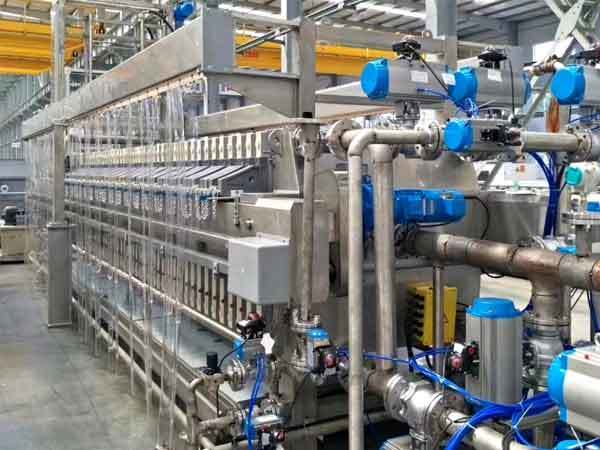
Industrial effluent treatment filter presses are specialized devices designed to separate solids from liquids in wastewater, particularly in industrial settings. They play a vital role in treating effluent generated by manufacturing processes, ensuring that harmful pollutants are effectively removed before the water is discharged into the environment. This process not only complies with regulatory standards but also promotes the sustainable use of water resources.
The operation of an industrial effluent treatment filter press involves several key steps. Initially, the effluent is pumped into the press, where it is subjected to high pressure. During this stage, the solids in the liquid form a cake on the filter media, effectively separating them from the liquid phase. The remaining liquid, often referred to as filtrate, is then collected, which can be further treated or reused, depending on the specific requirements of the industry.
One of the primary advantages of using a filter press for industrial effluent treatment is its efficiency. These machines are capable of handling large volumes of wastewater, making them ideal for high-capacity industrial operations. Additionally, they operate with minimal energy consumption compared to other treatment methods, reducing the overall operational costs associated with effluent management.
Moreover, filter presses contribute significantly to environmental protection. By facilitating the removal of hazardous materials from industrial effluents, they help prevent contamination of water bodies, protecting aquatic life and ensuring safe water for communities. This aligns with global sustainability goals, promoting cleaner production practices and encouraging industries to adopt environmentally friendly technologies.
The versatility of industrial effluent treatment filter presses further enhances their appeal. They can be tailored to meet the specific needs of various industries, including food processing, pharmaceuticals, textiles, and chemical manufacturing. By customizing the filtration process, businesses can optimize their wastewater treatment, ensuring compliance with stringent regulations while minimizing environmental impact.
In summary, industrial effluent treatment filter presses represent a pivotal component in modern waste management strategies. By effectively separating solids from liquids, they not only support industries in meeting environmental standards but also foster sustainable practices that are essential for the health of our planet. Understanding the functionality and benefits of these systems is crucial for businesses aiming to enhance their waste management efforts and contribute to a cleaner, more sustainable future.
The operation of an industrial effluent treatment filter press involves several key steps. Initially, the effluent is pumped into the press, where it is subjected to high pressure. During this stage, the solids in the liquid form a cake on the filter media, effectively separating them from the liquid phase. The remaining liquid, often referred to as filtrate, is then collected, which can be further treated or reused, depending on the specific requirements of the industry.
One of the primary advantages of using a filter press for industrial effluent treatment is its efficiency. These machines are capable of handling large volumes of wastewater, making them ideal for high-capacity industrial operations. Additionally, they operate with minimal energy consumption compared to other treatment methods, reducing the overall operational costs associated with effluent management.
Moreover, filter presses contribute significantly to environmental protection. By facilitating the removal of hazardous materials from industrial effluents, they help prevent contamination of water bodies, protecting aquatic life and ensuring safe water for communities. This aligns with global sustainability goals, promoting cleaner production practices and encouraging industries to adopt environmentally friendly technologies.
The versatility of industrial effluent treatment filter presses further enhances their appeal. They can be tailored to meet the specific needs of various industries, including food processing, pharmaceuticals, textiles, and chemical manufacturing. By customizing the filtration process, businesses can optimize their wastewater treatment, ensuring compliance with stringent regulations while minimizing environmental impact.
In summary, industrial effluent treatment filter presses represent a pivotal component in modern waste management strategies. By effectively separating solids from liquids, they not only support industries in meeting environmental standards but also foster sustainable practices that are essential for the health of our planet. Understanding the functionality and benefits of these systems is crucial for businesses aiming to enhance their waste management efforts and contribute to a cleaner, more sustainable future.
RELATED NEWS



Copyright ©
