

Understanding the Mechanism Behind Sand Washing Slurry Dewatering Filter Press
Time:
May 29,2026
Understanding the Mechanism Behind Sand Washing Slurry Dewatering Filter Press Table of Contents Introduction to Sand Washing Slurry Dewatering Filter Press What is Sand Washing Slurry? The Importance of Dewatering in Sand Washing The Working Principle of Filter Presses Key Components of a Sand Washing Slurry Dewatering Filter Press Different Types of Filter Presses Used in Dewateri
Understanding the Mechanism Behind Sand Washing Slurry Dewatering Filter Press
Table of Contents
- Introduction to Sand Washing Slurry Dewatering Filter Press
- What is Sand Washing Slurry?
- The Importance of Dewatering in Sand Washing
- The Working Principle of Filter Presses
- Key Components of a Sand Washing Slurry Dewatering Filter Press
- Different Types of Filter Presses Used in Dewatering
- Benefits of Using Sand Washing Slurry Dewatering Filter Press
- Applications in Industries: Engineering and Beyond
- Maintenance and Care for Optimal Performance
- Conclusion
- Frequently Asked Questions
Introduction to Sand Washing Slurry Dewatering Filter Press
The construction and manufacturing industries often face challenges associated with waste management and water conservation. **Sand washing slurry dewatering filter presses** emerge as a vital solution, effectively separating water from sand and other fine materials. In this article, we provide a detailed exploration of the mechanism behind this essential equipment, highlighting its components, functionalities, and benefits.
What is Sand Washing Slurry?
Sand washing slurry refers to the mixture of water and fine particles, primarily sand, generated during the sand washing process. This slurry contains various impurities and excess water that need to be removed for several reasons, including environmental compliance, material recovery, and efficient operation.
Characteristics of Sand Washing Slurry
- **Composition**: Typically includes sand, silt, clay, and water.
- **Viscosity**: The viscosity of the slurry can vary depending on the concentration of solids.
- **Environmental Concerns**: Improper disposal can lead to environmental degradation, emphasizing the need for effective dewatering solutions.
The Importance of Dewatering in Sand Washing
Dewatering is the process of removing excess water content from the slurry, which offers several significant benefits:
1. Material Recovery
Efficient dewatering allows for the recovery of valuable materials, which can be reused in the manufacturing process, reducing waste and promoting sustainability.
2. Cost Efficiency
By minimizing water usage and waste disposal costs, businesses can significantly lower operational expenses.
3. Compliance with Regulations
Many regions have strict regulations regarding waste disposal and water usage, making effective dewatering essential for compliance.
4. Improved Material Quality
Dewatering enhances the quality of the sand by removing impurities, leading to better end-product quality.
The Working Principle of Filter Presses
The **filter press** operates by utilizing pressure to separate solids from liquids. The slurry is pumped into the filter press, where it enters a series of filter chambers separated by filter plates. The process involves several key stages:
1. Filling Phase
The slurry is introduced into the filter press, filling the chambers. Pressure is applied, forcing water through the filter cloth while retaining solid particles.
2. Filtration Phase
As pressure is maintained, the liquid (filtrate) passes through the filter cloth, leaving solid particles trapped in the chamber.
3. Cake Formation Phase
The retained solids accumulate, forming a "cake" that can be easily removed once the process is complete.
4. Discharging Phase
Once dewatering is achieved, the filter press opens, allowing for the removal of the solid cake and the discharge of clear water.
Key Components of a Sand Washing Slurry Dewatering Filter Press
Understanding the components of a filter press is crucial for grasping its functionality. Here are the main parts:
1. Filter Plates
These are the key components where the filtration process takes place. They can be made from various materials, including polypropylene or metal.
2. Filter Cloth
Covering the filter plates, these cloths allow liquid to pass through while retaining solid particles.
3. Hydraulic System
The hydraulic system controls the opening and closing of the filter press, applying the necessary pressure for filtration.
4. Slurry Pump
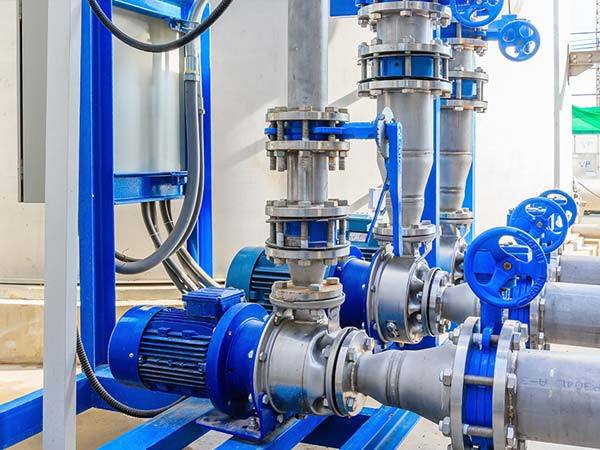
A slurry pump is essential for transferring the slurry into the filter press.
5. Control Panel
Modern filter presses come equipped with a control panel for easy monitoring and automation of the filtration process.
Different Types of Filter Presses Used in Dewatering
Various types of filter presses are employed in dewatering applications, each serving distinct purposes:
1. Plate and Frame Filter Press
This type features individual frames between plates, allowing for higher flexibility and ease of maintenance.
2. Membrane Filter Press
Utilizing a membrane for enhanced pressure during the filtration process, this type is ideal for applications requiring maximum dryness of the solid cake.
3. Automatic Filter Press
Equipped with automation features, these presses reduce manual labor while improving efficiency.
Benefits of Using Sand Washing Slurry Dewatering Filter Press
Employing a slurry dewatering filter press comes with numerous advantages:
1. High Efficiency
The ability to separate solids from liquids with minimal energy input makes these presses highly efficient.
2. Versatility
Filter presses can be used in various industries, including mining, construction, and wastewater treatment.
3. Environmentally Friendly
By facilitating the recovery of materials and reducing wastewater, filter presses contribute to sustainable practices.
4. Reduced Storage Space
The dewatered cake occupies less space compared to wet slurry, alleviating storage challenges.
Applications in Industries: Engineering and Beyond
Sand washing slurry dewatering filter presses find applications across multiple sectors:
1. Construction Industry
In construction, these presses help manage waste during sand washing, ensuring compliance and sustainability.
2. Mining Operations
In mining, filter presses aid in recovering valuable minerals from slurry while minimizing environmental impact.
3. Wastewater Treatment Plants
These presses are crucial in treating wastewater by dewatering sludge, allowing for efficient disposal or reuse.
4. Manufacturing
Manufacturers utilize filter presses for separating fine materials, enhancing product quality while optimizing resource use.
Maintenance and Care for Optimal Performance
To ensure longevity and efficiency, regular maintenance of a filter press is essential:
1. Regular Inspections
Conduct periodic inspections of the filter plates, cloths, and hydraulic components to prevent breakdowns.
2. Cleaning Protocols
Implement cleaning protocols for the filter cloths and plates to avoid clogging and maintain high filtration performance.
3. Lubrication
Ensure that all moving parts are adequately lubricated to prevent wear and tear.
4. Training Operators
Proper training for operators can enhance the overall efficiency and safety of the filter press operation.
Conclusion
Understanding the mechanism behind sand washing slurry dewatering filter presses is pivotal for industries that focus on efficiency and sustainability. With their ability to effectively separate solids from liquids, these machines not only optimize resources but also contribute to environmental conservation. As we move towards a future that demands responsible waste management, the role of filter presses will become increasingly crucial in various sectors, from construction to manufacturing.
Frequently Asked Questions
1. What is the typical lifespan of a sand washing slurry dewatering filter press?
The lifespan can vary based on usage and maintenance, but with proper care, many filter presses can last over ten years.
2. How much water can a filter press recover?
On average, a filter press can recover up to 90% of the water in the slurry, depending on the material.
3. Can filter presses be used for other materials besides sand?
Yes, filter presses can process a wide range of materials, including sludge from wastewater treatment and minerals from mining.
4. What maintenance is required for a filter press?
Regular inspections, cleaning of filter cloths, and lubrication of moving parts are essential for maintenance.
5. Are there energy-efficient models of filter presses available?
Yes, many modern filter presses are designed to operate efficiently, reducing energy consumption while maximizing performance.
RELATED NEWS



Copyright ©
