

Exploring the Cost-Effectiveness of Dewatering Filter Press Solutions in Manufacturing and Construction
Time:
Oct 02,2026
Exploring the Cost-Effectiveness of Dewatering Filter Press Solutions Dewatering processes are essential in many industries, particularly in manufacturing, construction, and environmental sanitation. Indeed, one of the most effective tools for dewatering is the filter press. In this article, we will explore the various dimensions of dewatering filter press solutions, focusing on their cost-effecti
Exploring the Cost-Effectiveness of Dewatering Filter Press Solutions
Dewatering processes are essential in many industries, particularly in manufacturing, construction, and environmental sanitation. Indeed, one of the most effective tools for dewatering is the filter press. In this article, we will explore the various dimensions of dewatering filter press solutions, focusing on their cost-effectiveness, operational benefits, and contributions to sustainable practices.
Table of Contents
- What is a Dewatering Filter Press?
- How Does a Dewatering Filter Press Work?
- Cost Benefits of Dewatering Filter Press Solutions
- Applications in Manufacturing and Construction
- Environmental Impact and Sustainability
- Choosing the Right Filter Press System
- Maintaining Your Dewatering Filter Press
- Frequently Asked Questions
What is a Dewatering Filter Press?
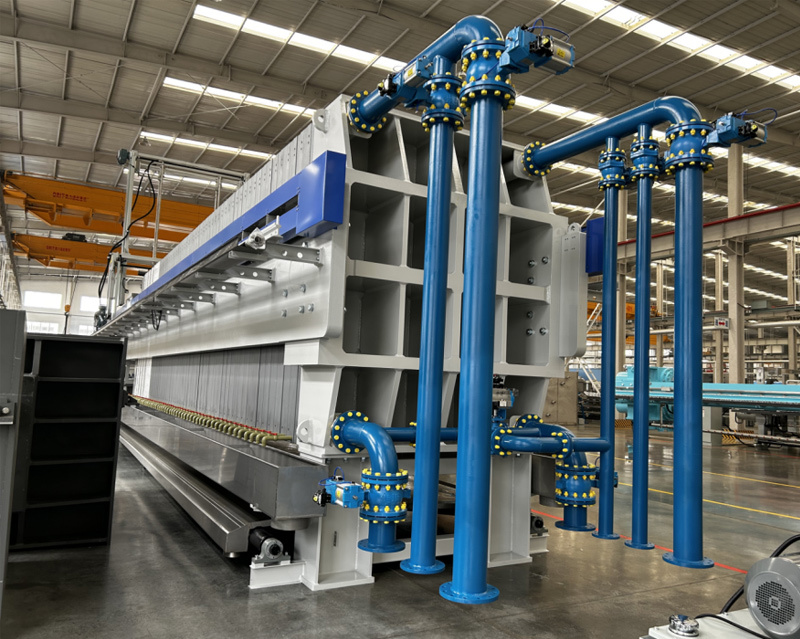
A dewatering filter press is a mechanical device used to separate solids from liquids in various industrial processes. It comprises a series of plates and frames that create chambers where slurry is pumped, allowing the liquid to drain and leaving behind solid cakes. This technology is widely utilized in sectors such as construction, mining, and municipal waste management, offering efficient solutions for sludge treatment.
How Does a Dewatering Filter Press Work?
The operation of a dewatering filter press involves several critical steps:
1. Slurry Preparation
Initially, the slurry, which is a mixture of solids and liquids, is prepared for dewatering. This may involve chemical treatment to enhance the separation process.
2. Filling the Filter Press
The prepared slurry is pumped into the filter press chambers. As the pressure builds, the liquid begins to pass through the filter cloth, leaving the solids trapped in the chamber.
3. Dewatering Process
Through pressure filtration, the liquid continues to escape, and the solid material compacts into a cake. This process is efficient and can handle large volumes of slurry.
4. Cake Discharge
Once the dewatering process is complete, the filter press opens, allowing the solid cake to be removed. The remaining liquid can often be reused or treated further.
Cost Benefits of Dewatering Filter Press Solutions
Investing in a dewatering filter press offers numerous cost benefits, which can significantly impact overall operational expenses:
1. Reduced Waste Disposal Costs
By effectively removing water from sludge, the volume of waste to be disposed of is minimized. This reduction leads to lower disposal costs, as less material is transported to landfills or treatment facilities.
2. Water Reuse and Reduce Water Costs
The liquid separated from the solids can often be treated and reused within the facility, leading to substantial savings on water costs. This not only decreases the consumption of fresh water but also reduces wastewater disposal fees.
3. Enhanced Process Efficiency
Dewatering filter presses operate with high efficiency, which translates into lower energy costs. By optimizing dewatering processes, businesses can achieve faster throughput and improved operational efficiency.
4. Long-Term Return on Investment
Although the initial investment in a dewatering filter press may seem considerable, the long-term savings in waste disposal, water reuse, and energy efficiency ensure a solid return on investment.
Applications in Manufacturing and Construction
Dewatering filter presses are utilized across various applications in manufacturing and construction, demonstrating their versatility:
1. Construction Sites
In construction, dewatering is critical for managing site runoff and excavated soil. Filter presses help in effectively managing the water content in slurry, ensuring that construction activities are not hindered by excess moisture.
2. Mining Operations
The mining industry extensively uses filter presses to handle the sludge produced during ore processing. Dewatering helps in recovering valuable minerals and managing waste responsibly.
3. Municipal Wastewater Treatment
Municipalities rely on filter presses for treating wastewater and sludge from sewage treatment plants. Effective dewatering reduces the volume of sludge for disposal while improving the quality of treated water.
Environmental Impact and Sustainability
Dewatering filter presses contribute significantly to sustainability efforts in manufacturing and construction:
1. Minimizing Environmental Footprint
By reducing waste volume and promoting water reuse, filter presses help companies minimize their environmental footprint. This aligns with global sustainability initiatives and regulatory requirements.
2. Supporting Circular Economy
Using dewatering technology supports a circular economy by transforming waste into reusable resources. The solid cakes produced can be repurposed for various applications, such as construction materials or soil amendments.
3. Compliance with Regulations
Many industries face strict environmental regulations concerning waste disposal and water treatment. Implementing dewatering filter press solutions aids in compliance with these standards, reducing the risk of fines and enhancing corporate responsibility.
Choosing the Right Filter Press System
Selecting the appropriate dewatering filter press system involves considering several factors:
1. Type of Slurry
Understanding the characteristics of the slurry to be processed is crucial. Factors such as solid content, particle size, and chemical composition significantly influence the choice of filter press.
2. Production Capacity
Determining the required dewatering capacity is essential. Choose a filter press that aligns with your operation scale to ensure efficient processing without bottlenecks.
3. Maintenance and Support
Evaluate the maintenance requirements and support options available for the filter press. An easily maintainable system will reduce downtime and operational disruptions.
Maintaining Your Dewatering Filter Press
To ensure optimal performance and longevity of the dewatering filter press, regular maintenance is imperative:
1. Routine Inspections
Conduct routine inspections to identify wear and tear on components, including filter cloths and hydraulic systems. Early detection prevents costly repairs and downtime.
2. Cleaning Procedures
Establish a cleaning protocol to remove accumulated sludge and debris from the filter press. Proper cleaning enhances efficiency and prolongs the lifespan of the equipment.
3. Training Operators
Ensure that operators receive thorough training on the proper use and maintenance of the filter press. Well-trained personnel can identify issues early and maintain the system effectively.
Frequently Asked Questions
1. What is the average lifespan of a dewatering filter press?
The lifespan of a dewatering filter press can vary based on usage, maintenance, and type of slurry processed. However, with proper care, many systems can last over a decade.
2. Can a dewatering filter press handle all types of sludge?
While dewatering filter presses are versatile, their effectiveness can vary depending on the characteristics of the sludge. It’s crucial to assess the specific properties of the slurry before selecting a system.
3. How much does a dewatering filter press cost?
The cost of a dewatering filter press depends on various factors, including size, capacity, and features. Generally, prices can range from tens of thousands to hundreds of thousands of dollars.
4. Are there any environmental regulations concerning dewatering processes?
Yes, many regions have stringent regulations regarding wastewater treatment and waste disposal. It’s essential to stay informed about local regulations to ensure compliance.
5. Can I retro-fit my existing system with a dewatering filter press?
In many cases, existing systems can be updated or retrofitted to incorporate dewatering filter presses. Consultation with an expert can help determine the feasibility and best approach for integration.
Conclusion
In summary, dewatering filter press solutions offer a multitude of benefits that enhance cost-effectiveness in manufacturing and construction. By reducing disposal costs, promoting water reuse, and supporting sustainable practices, these systems play a vital role in modern industrial processes. As industries continue to face challenges related to waste management and environmental compliance, investing in dewatering technology will be pivotal in achieving operational efficiency and sustainability goals. Embracing these solutions not only fosters economic savings but also aligns businesses with the global movement towards a more sustainable future.
RELATED NEWS



Copyright ©
