

Efficient Solutions for Municipal Sludge Dewatering: Understanding the Filter Press
Time:
Oct 09,2026
Municipal sludge dewatering is an essential process in wastewater treatment, aimed at reducing the volume of sludge produced by sewage treatment plants. The Municipal Sludge Dewatering Filter Press is a highly effective tool designed for this purpose, employing mechanical means to extract water from sludge, resulting in a significantly reduced volume of waste that is easier and more economical to
Municipal sludge dewatering is an essential process in wastewater treatment, aimed at reducing the volume of sludge produced by sewage treatment plants. The Municipal Sludge Dewatering Filter Press is a highly effective tool designed for this purpose, employing mechanical means to extract water from sludge, resulting in a significantly reduced volume of waste that is easier and more economical to handle.
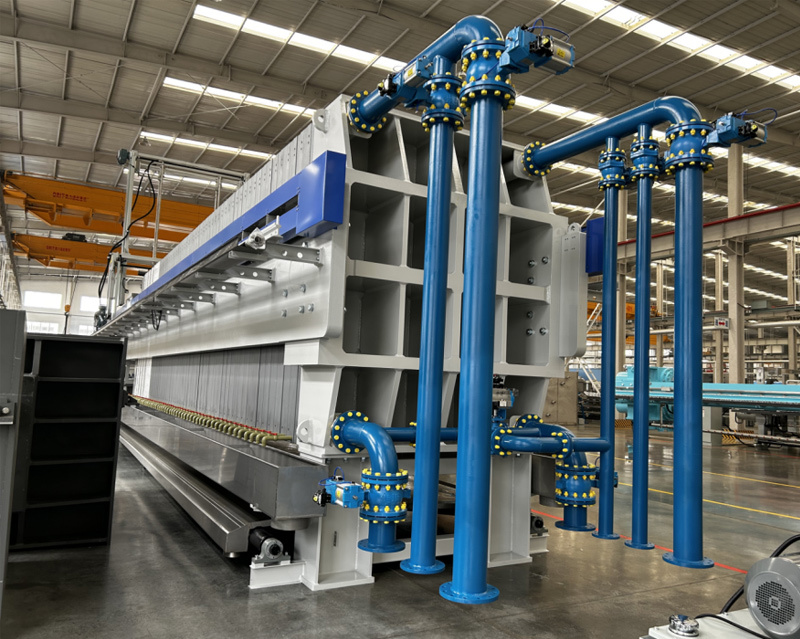
A filter press operates by forcing sludge through a series of filter plates and frames, where water is separated from the solid material. This process not only allows for the recovery of water, which can often be reused or treated further, but it also results in a drier cake of solid waste. The dry cake can then be handled and disposed of more efficiently, whether through incineration, landfilling, or even composting, depending on local regulations and practices.
One of the primary advantages of using a Municipal Sludge Dewatering Filter Press is its ability to achieve high solids content in the cake. This results in lower transportation and disposal costs, as the reduced volume means less frequent hauling and less landfill space required. Additionally, the quality of the dewatered sludge can be improved, making it more suitable for further processing or beneficial reuse in agriculture.
Filter presses are versatile and can be customized based on the specific needs of a project or facility. Factors such as sludge composition, volume, and desired dryness can all influence the design and operation of the filter press. Choosing the right configuration is crucial for optimizing performance and ensuring that the machine functions effectively within the broader wastewater treatment system.
Moreover, advancements in technology have led to the development of more automated and efficient filter press systems, improving operational reliability while reducing labor costs. Modern filter presses incorporate features such as automatic cake discharge, programmable controls, and enhanced filtration media, all of which contribute to greater efficiency and lower maintenance requirements.
In conclusion, Municipal Sludge Dewatering Filter Presses are indispensable in the field of wastewater management. They not only streamline the dewatering process but also contribute to more environmentally sustainable practices. By understanding the capabilities and advantages of these machines, professionals in the manufacturing and engineering sectors can make informed decisions about sludge management solutions, ultimately leading to improved operational efficiency and environmental compliance.
RELATED NEWS



Copyright ©
